What Grill Temp for Pork Tenderloin: Precise Temps Guide
Master the exact grill temp for pork tenderloin, with sear-first and indirect finishing. A data-driven Grill Cooking guide to help you cook juicy, safe pork time.


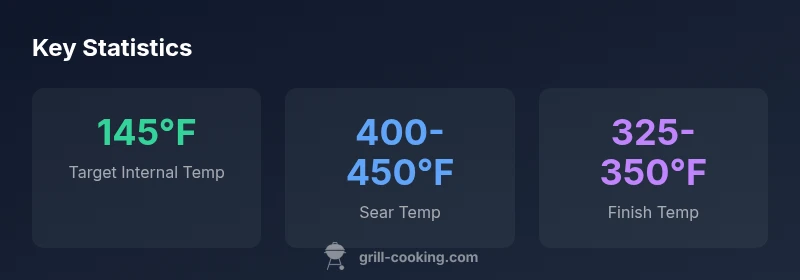
For pork tenderloin, aim for high indirect grilling with a brief initial sear: grill the tenderloin at about 400-450°F (204-232°C) to develop color, then move it to indirect heat to finish. Target an internal temperature of 145°F (63°C) followed by a 3-minute rest. This balance yields a rosy center and a flavorful crust, while remaining safe.
Why Temperature Matters for Pork Tenderloin
Whether you’re a weekend griller or a serious backyard chef, the temperature you run your grill at governs crust formation, juiciness, and even doneness. Pork tenderloin, lean and quick-cooking, benefits from a two-phase strategy: a fast, hot sear to color the exterior, followed by finishing on indirect heat to bring the center up to the target safe temperature without drying out. According to Grill Cooking, precision here matters more than adding extra time. The goal is a warm, rosy center with a crust that’s caramelized but not burnt, which requires deliberate heat management and thermometer-guided checks. Start with ambient temperatures in the 400–450°F range to maximize Maillard browning, then transition to indirect heat around 325–350°F to finish.
As you plan your cook, remember that pork tenderloin is a relatively small, uniform cut. If you’re new to grilling, a thermometer is your best ally; it removes guesswork and helps you train your eye for color and texture over time. The practical takeaway is simple: think of the grill as two zones, one hot for searing and one cooler for gentle finishing. This approach minimizes overcooking and yields a consistently juicy result.
USDA Safe Temperature and Rest Period
Food-safety guidance anchors every pork-tenderloin cook. The USDA recommends cooking pork to an internal temperature of 145°F (63°C) with a three-minute rest before slicing. This standard balances safety with a juicy texture, ensuring pinkish, not pinky, center color that remains tender. At Grill Cooking, we emphasize checking temperature with an instant-read thermometer, inserted into the thickest part of the loin away from any bone or fat. Once you hit 145°F, remove from heat and let the meat rest. The carryover heat will lift the center a few more degrees while the juices redistribute. Resting is not optional—it's essential for juiciness and even slicing.
Direct vs Indirect Grilling Strategy
Pork tenderloin benefits from a two-zone grilling plan. Start with direct, high-heat for a quick sear to brown the surface and lock in flavors. After the sear, move the meat to indirect heat to finish cooking evenly without scorching the exterior. The typical target is a brief sear on 400–450°F, then a finishing phase at 325–350°F. If you’re using charcoal, bank the coals to one side for the indirect zone; for gas grills, close off the burners opposite the tenderloin side. Throughout, monitor the internal temperature; the goal is 145°F with a rest period. This method reduces the risk of overcooking and keeps the center moist, a key consideration in pork tenderloin grilling.
Searing for Color and Texture
A strong, fast sear creates a crust that adds texture and flavor. The Maillard reaction thrives at higher temps, forming a flavorful crust within 60–90 seconds per side if the loin is evenly shaped and patted dry beforehand. After searing, the meat retreats to indirect heat to complete cooking. A hot sear also helps to seal juices; however, you must avoid prolonged direct exposure after the initial color develops, as that can push the center beyond 145°F. A light brush of oil or a dry rub can help crispness without burning. Remember, consistency in distance from the heat source is crucial for even coloration and doneness.
Marinades, Rubs, and Flavor
Marinades and rubs contribute depth to pork tenderloin without masking its natural pork flavor. A simple rub of kosher salt, black pepper, garlic powder, and a touch of smoked paprika can deliver a balanced profile. If you marinate, keep it to 30–60 minutes to avoid overly acidic flavors that can affect texture. When applying glaze, do so in the last 5–7 minutes of cooking to avoid burning sugars in the glaze. The key is to let the rub bloom and create an aromatic crust during the initial sear, then finish with a glaze or herb butter to keep the surface lively and the inside juicy.
Practical Setup: Grill Type, Fire Management, and Tools
A reliable thermometer, a sturdy pair of tongs, and a two-zone setup are the basics of pork tenderloin grilling. Whether you’re working with gas, charcoal, or a hybrid grill, the strategy remains: hot direct heat for searing, then cooler indirect heat for finishing. Keep the grill lid closed as much as possible during the indirect phase to maintain consistent heat. Use a digital instant-read thermometer for quick checks, and if you notice flare-ups, move the meat away from the flame and adjust air flow. For charcoal grills, maintain a two-zone fire by pushing coals to one side and leaving the other side cooler. This helps you manage temperature more precisely and prevents overcooking.
Common Mistakes and How to Avoid Them
Two common missteps are under-seasoning and overcooking. Pork tenderloin is lean, so it can dry out quickly if left on heat too long. Always use a thermometer and err on the side of slightly under 145°F, then rest. Another mistake is ignoring carryover cooking—after you pull the loin, the internal temp can rise by 3–5°F. Plan to pull at 140–142°F for a final 145°F result after resting. Finally, uneven loin thickness can cause uneven doneness; if needed, wrap the thinner ends in foil or adjust your grill geometry so the piece cooks evenly.
Step-by-Step: Grilling Pork Tenderloin (Visual Guide)
- Preheat grill to 400–450°F and pat the pork tenderloin dry.
- Lightly oil the grate and season the loin with a rub or marinade.
- Sear each side for 60–90 seconds until a deep golden crust forms.
- Move the loin to indirect heat and close the lid. Cook until the internal temp reaches 145°F, about 20–25 minutes depending on thickness.
- Remove from heat, rest 3 minutes, then slice against the grain and serve with a pan sauce or herb butter.
Finishing Touches: Rest, Slice, and Serve
Resting is essential; it closes the juiciness gap and allows the internal juices to redistribute for easy slicing. Slice the tenderloin into 1/2-inch medallions and serve with your favorite sides. A light drizzle of pan sauce or a herb compound butter complements the pork without overpowering its natural flavor. The Grill Cooking team recommends pairing pork tenderloin with roasted vegetables, a fresh salsa, or a bright chimichurri to balance the richness of the meat. The Grill Cooking team’s verdict: precise temps, careful heat management, and a thoughtful rest equal consistently delicious results.
Grilling plan and temperatures for pork tenderloin
| Stage | Recommended Temp (°F) | Internal Temp (°F) | Notes |
|---|---|---|---|
| Sear on direct heat | 400-450 | Not applicable | Initial browning on all sides |
| Finish on indirect heat | 325-350 | 145 | Cook to target with even color |
| Resting time | - | 145 | 3 minutes rest before slicing |
| Total cooking time | 20-25 | 145 | Watch for carryover |
FAQ
What is the ideal internal temperature for pork tenderloin when it's fully cooked?
USDA guidelines specify 145°F (63°C) with a 3-minute rest. This ensures safety while preserving juiciness. Pull from heat at 145°F and let carryover finish within the rest period.
Aim for 145°F and rest for three minutes before slicing.
Should I use direct or indirect heat for pork tenderloin?
Use direct heat for a quick sear to develop color, then finish on indirect heat to reach the target temperature without burning the crust.
Sear first, then finish on indirect heat.
How long does it take to grill pork tenderloin?
Typically 20–25 minutes for a standard pork tenderloin, depending on thickness and grill type. Use a thermometer to confirm 145°F before resting.
About 20 to 25 minutes, then rest.
Can I grill pork tenderloin with a glaze?
Yes. Apply glaze during the last 5–7 minutes of cooking to prevent burning sugars, then rest and slice.
Add glaze in the last minutes, then rest.
What temperature should my grill be after searing?
Maintain indirect heat around 325–350°F to finish cooking evenly and avoid scorching the crust.
Keep it at 325–350°F after searing.
“Pork tenderloin benefits from a deliberate two-zone strategy: a quick sear to lock in flavor, followed by gentle heat to finish without drying out.”
Quick Summary
- Target 145°F internal temp; rest 3 minutes.
- Sear hot (400-450°F), finish indirect (325-350°F).
- Use a thermometer for accuracy, not guesswork.
- Apply glaze in the last minutes to avoid burning.
- Let carryover cooking finish the final doneness.