How to Grill Pork Tenderloin for Juicy Results
Master the art of pork tenderloin on the grill with a reliable two-zone setup, smart seasoning, and precise doneness. This guide covers prep, grilling methods, safety tips, and serving ideas for home cooks.


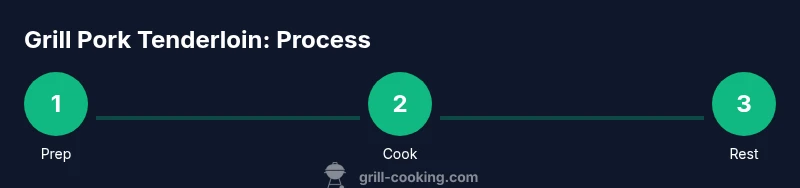
Goal: Grill pork tenderloin until juicy and tender using a two-zone setup, a light rub, and monitored temp. Key steps: 1) Preheat grill to two zones. 2) Sear on direct heat, then move to indirect to finish. 3) Rest 5-10 minutes before slicing. Tip: use an instant-read thermometer and avoid opening the lid too often to maintain even heat.
Why Pork Tenderloin Shines on the Grill
Pork tenderloin is a lean, versatile cut that benefits greatly from the grill's direct heat sear and smoky flavors. When grilled correctly, this small, tapered roast stays juicy without drying out, making it a weeknight favorite for families and guests alike. The key is even heat, careful timing, and a light seasoning approach that enhances the pork’s natural sweetness rather than overpowering it. The Grill Cooking team notes that the best outcomes come from planning for a two-zone setup, which lets you sear quickly and then finish gently over indirect heat to an ideal internal temperature. This approach gives you a crisp exterior with a tender interior every time.
In practice, start with a trim to remove any silver skin and excess surface fat. A light rub or a quick marinade adds flavor without masking the pork’s delicate pork-tenderloin profile. Keep in mind that lean meat benefits from shorter cook times and a resting period to redistribute juices. With a little attention to heat, timing, and technique, pork tenderloin on the grill becomes a predictable crowd-pleaser.
Grill Cooking analysis shows that home cooks who adopt a two-zone method report more even doneness and fewer dry edges compared with single-zone grilling. The technique also scales for smaller or larger tenderloins, so you can confidently grill multiple portions for dinner parties or barbecues. Whether you’re new to grilling or an experienced griller, this approach simplifies decision-making and improves outcomes.
Preparing the Pork: Trimming, Marinating, and Rubs
Preparing pork tenderloin properly sets the stage for a successful grill session. Start by trimming away any silver skin and excess fat, leaving a clean surface that will crisp nicely on the grill. If you prefer, you can marinate for 30-60 minutes or apply a light rub with salt, pepper, garlic, and a touch of paprika or brown sugar for a subtle sweetness. Sugar helps with browning but can cause faster charring, so monitor closely when using sweeter rubs.
For a quick rub, combine 1 teaspoon salt, 1/2 teaspoon black pepper, 1/2 teaspoon smoked paprika, 1/2 teaspoon garlic powder, and a pinch of brown sugar if you like a deeper crust. Oil the meat lightly or brush with a small amount of olive oil to help the rub adhere. If you have more time, marinating with citrus juice and herbs can add brightness, but avoid overly acidic marinades for long durations, which can impart a mushy texture. Pat the surface dry before placing on the grill to ensure a good sear.
Grilling Setup: Direct vs Indirect Heat
A two-zone grill setup is essential for evenly cooked pork tenderloin. Turn one burner on high (or light charcoal on one side) to create direct heat, while leaving the opposite side cooler for indirect grilling. The goal is to sear the tenderloin for a minute or two on each side to form a crust, then move it to the cooler zone to finish without burning.
Preheat the grill so the direct zone reaches a high temperature for good browning. The indirect zone should be steady at a lower heat, allowing the pork to reach the target internal temperature without overcooking. If you’re using a gas grill, you can simply turn on one burner to high and leave others off. For charcoal grills, bank the coals to one side and add a small pile of unlit coals on the other to maintain a mild heat.
Use a reliable instant-read thermometer to monitor progress. The goal is an internal temperature around 140-145°F (60-63°C) before resting, which yields juicy pinkish traces and a safe final product after a brief rest.
The Grilling Process: From Start to Doneness
With your two-zone setup ready, start by patting the pork dry and applying a light coat of oil or a minimal rub. Place the tenderloin on the direct heat to sear for 1-2 minutes per side, watching for a golden-brown crust. Then, relocate the meat to the indirect zone. Maintain steady heat and allow the pork to finish cooking with gentle warmth, turning every 3-5 minutes to promote even doneness.
Check the internal temperature regularly as you approach the target range. Because pork tenderloin is lean, it’s easy to overcook; removing it from the grill around 140-145°F and letting it rest will yield the juiciest results. If you notice rapid browning, temporarily shield the meat with foil or move it further to the indirect zone to slow the crusting while the inside finishes.
After reaching the target temperature, remove the pork from the grill and rest it for 5-10 minutes. Resting allows juices to redistribute, ensuring slices stay moist. Slice against the grain into 1/2-inch thick medallions for tender bites, and consider a light glaze or squeeze of fresh lemon to brighten flavors.
Resting, Slicing, and Serving
Resting is a crucial final step for any grilled pork tenderloin. Cover loosely with foil and let it rest for 5-10 minutes; this short wait helps juices reabsorb and prevents them from pooling on the cutting board. Slice the tenderloin across the grain into medallions about 1/2 inch thick for maximum tenderness. If you want extra flavor, drizzle a minimalist glaze—think a whisper of honey, soy, or a splash of balsamic—just before serving.
Pair grilled pork tenderloin with fresh herbs, a bright mango or citrus salsa, or a simple chimichurri for a vibrant finish. For sides, consider grilled vegetables, corn on the cob, or a light couscous salad to balance the lean meat. With proper technique and careful timing, pork tenderloin on the grill becomes a reliably delicious centerpiece.
Safety and Cleanup Essentials
Always use separate cutting boards for raw pork and finished meat to avoid cross-contamination. Keep a fire extinguisher nearby when grilling, and have a brush or scraper ready to maintain a clean grate to prevent sticking. After cooking, store any leftovers promptly in a shallow container in the refrigerator within two hours to maintain food safety. Clean the grill grates after cooling to avoid hardening residue that can affect future cooks.
Final Notes and Variations
If you want a bolder flavor, try a rosemary-garlic rub or a subtle maple glaze during the indirect phase. For a smoky profile, add a few chunks of fruitwood (apple or cherry) to the grill. If you’re cooking for a crowd, you can prepare multiple tenderloins in a two-zone setup, rotating and resting each piece as needed. The key is practice: the more you grill pork tenderloin, the more consistent your results will be.
Tools & Materials
- Gas or charcoal grill with two-zone capability(Two distinct heat zones needed (direct and indirect) for sear and finish)
- Instant-read thermometer(Monitor internal temp (target 140-145°F off the grill))
- High-heat cooking oil or neutral oil(Light coat on meat to help crust)
- Mixing bowl and spoon(For rub or marinade prep)
- Tongs and carving knife(Gentle handling without piercing meat)
- Cutting board (separate from raw meat)(Food safety during resting and slicing)
- Paper towels(Pat dry meat and clean surfaces)
- Meat thermometer probe (optional)(For payload check on thicker tenderloins)
- Aluminum foil tent(Light tent for rest if weather is cool)
- Grill brush(Clean grates before and after cooking)
Steps
Estimated time: 25-45 minutes
- 1
Prepare and trim the pork
Remove silver skin and excess fat. Pat dry to promote browning, then lightly oil the surface. This helps the rub adhere and improves searing.
Tip: Pat dry thoroughly for a crisp crust; avoid oil pooling on the surface. - 2
Season or marinate
Apply a light rub with salt, pepper, garlic, and paprika. If marinating, choose a citrus-herb mix and keep it under 1 hour to prevent mushiness.
Tip: Keep seasoning light to preserve pork’s natural flavor. - 3
Preheat for two zones
Preheat your grill to create a hot direct zone and a cooler indirect zone. Aim for a strong sizzle when the meat first touches the grate.
Tip: Two-zone setup reduces the risk of overcooking the outside before the inside finishes. - 4
Sear the tenderloin
Sear the pork on direct heat for 1-2 minutes per side to form a crust. Avoid moving it too often to prevent sticking.
Tip: A good crust helps lock in juices; keep an eye on flare-ups and move if needed. - 5
Finish on indirect heat
Transfer to indirect heat and cook until the internal temp reaches 140-145°F. Turn every 3-5 minutes for even cooking.
Tip: Don’t rush this stage; even cooking yields juicier results. - 6
Rest and slice
Let the meat rest 5-10 minutes under loose foil. Slice crosswise against the grain into 1/2-inch medallions.
Tip: Resting redistributes juices for maximum tenderness.
FAQ
Should I trim fat before grilling pork tenderloin?
Yes. Removing visible fat and silver skin helps prevent overly fatty flavors and promotes even browning. Leave a thin edge to retain moisture.
Yes, trim the silver skin and excess fat to ensure even browning and moisture retention.
What is the target internal temperature for grilled pork tenderloin?
Aim for 140-145°F (60-63°C) off the grill and rest for 5-10 minutes to reach a safe, juicy finish.
Target around 145 degrees Fahrenheit and rest before slicing.
How long does it take to grill pork tenderloin?
Total grilling time typically ranges from 20 to 40 minutes depending on size, heat, and technique. Use a thermometer rather than time alone.
Expect 20 to 40 minutes, but check the temperature for accuracy.
Can I marinate pork tenderloin for grilled flavor?
Yes, a light citrus-herb marinade or rub can add brightness. Avoid long acidic marinades that can affect texture.
A light marinade is fine, but don’t overdo it or the texture may change.
Should I rest pork tenderloin after grilling?
Yes. Rest for 5-10 minutes to redistribute juices, resulting in a juicier, more flavorful slice.
Rest at least 5 minutes before slicing for juicier meat.
What are good serving ideas for grilled pork tenderloin?
Serve with a bright salsa, herb chimichurri, or a light glaze; pair with grilled vegetables or a fresh grain side for balance.
Pair with a citrus salsa or chimichurri and grilled veggies.
Watch Video
Quick Summary
- Prepare two-zone grilling for even doneness.
- Use a thermometer to hit 140-145°F for juicy pork.
- Rest 5-10 minutes before slicing for best juiciness.
- Light rub enhances flavor without masking pork’s natural taste.