How Long to Grill Pork Tenderloin: Time, Temperature, and Tips
Learn exact grilling times for pork tenderloin, including safe temperatures, resting, and tips for juicy, evenly cooked results on gas, charcoal, or pellet grills.


You will learn precisely how long to grill pork tenderloin for juicy, evenly cooked results, including safe internal temperatures, plan for carryover cooking, and finishing steps. This guide covers direct-sear and two-zone grilling on gas, charcoal, and pellet grills, plus resting times to lock in moisture.
Why timing matters when grilling pork tenderloin
Pork tenderloin is a lean, fast-cooking cut that rewards precision. Even a few extra minutes can turn juicy meat into dry, chalky slices. The Grill Cooking team notes that planning for heat levels, resting, and carryover cooking helps home cooks hit that sweet spot: safe, tender, and flavorful. Start with a plan for temperature targets, grill setup, and the thickness of your tenderloin to minimize guesswork. For best results, trim any silver skin, bring the meat to cool temperature before grilling, and pat it dry to promote a good sear. When you control time and temperature, you control texture, juiciness, and overall flavor.
The science behind doneness: temps, carryover, and safety
Doneness for pork tenderloin hinges on two things: internal temperature and resting period. Pork tenderloin is naturally lean, which means it can finish cooking while resting, a phenomenon known as carryover cooking. A target in the mid-140s Fahrenheit is common practice among Grill Cooking experts, followed by a short rest to let juices redistribute. In practical terms, aiming for an internal temperature around 145°F, then letting the meat rest for 3-5 minutes, yields a juicy center with lightly rosy edges. Always use a reliable instant-read thermometer, insert into the thickest part away from bone, and monitor the digits as you approach the target.
Prepping for an even cook: trimming, tying, and seasoning
Even thickness ensures uniform heat exposure. Trim excess fat and any tough silverskin to prevent uneven browning. If the tenderloin is unusually uneven in thickness, tie it with kitchen twine at 1-inch intervals to promote even cooking. Season generously with a dry rub or light marinade, then pat dry again to ensure the surface can sear properly. A dry surface enhances Maillard browning, creating a flavorful crust without needing extra oil. Having seasonings prepared ahead of time saves precious minutes on grill day and helps you stay within your target finishing temperature.
Grill setup: direct heat sear then indirect finish
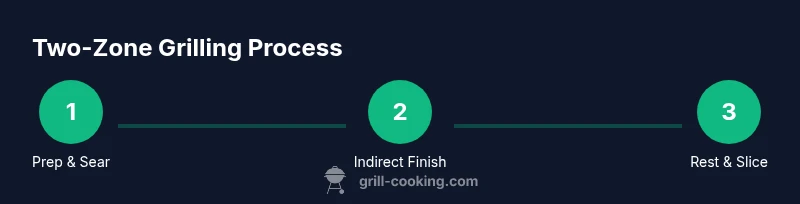
Two-zone grilling is ideal for pork tenderloin. Preheat one side of a gas grill or light a bed of coals on one side of a charcoal grill to create a hot searing zone and a cooler indirect zone. Sear for 2-3 minutes per side to develop color and flavor, then move the meat to the indirect zone to finish at a gentler heat. This approach minimizes surface scorching while allowing the center to reach the desired temperature without drying out. If you’re using a pellet grill, start with a high smoke/heat setting and rotate to maintain even heat, paying attention to the meat’s position relative to the heat source.
Step-by-step grilling method with time estimates
- Preheat the grill to the appropriate zones (high heat for sear, medium for finish). 2) Pat the tenderloin dry, apply rub, and place on the hot zone. 3) Sear 2-3 minutes per side until a rich crust forms. 4) Move to indirect heat and continue cooking, turning as needed. 5) Check internal temperature with a thermometer; remove when 140-145°F and let rest to reach ~145-150°F. 6) Rest for 3-5 minutes before slicing to retain juices. The exact times depend on thickness and grill type but staying within these steps ensures consistent results.
Testing doneness: thermometer technique and visual cues
A fast, accurate thermometer is essential. Insert into the thickest part of the meat, avoiding bone or fat, and watch for the target range. Visual cues — a slightly pink center, a firm texture, and a crusty exterior — help confirm the color profile you want. For safety, remember USDA guidelines recommend a final internal temperature around 145°F with a rest period. Carryover cooking can raise the temperature a few degrees after you pull the meat, so plan accordingly.
Resting, slicing, and serving for maximum juiciness
Resting is non-negotiable for tenderness. Let the pork tenderloin rest 3-5 minutes, loosely tented with foil if needed. Slice against the grain into ½-inch to ¾-inch slices to maximize tenderness and ease of chewing. Serve with complementary sides like roasted vegetables, applesauce, or a bright herb butter. If you’re preparing a quick pan sauce, deglaze the resting pan with wine or broth to incorporate fond into a flavorful finish.
Common mistakes and how to fix them
Common errors include cooking too aggressively without finishing in the indirect zone, not resting long enough, and piercing the meat to check doneness repeatedly. Fix these by using two-zone grilling, monitoring temps closely, and resisting the urge to cut early. Also avoid thinning the tenderloin too much with trimming, which can reduce yield. A well-prepped cut, proper heat management, and consistent thermometer checks will dramatically improve results.
Quick reference timeline for a 1.5-inch tenderloin
Starting from a preheated grill, plan roughly: 0-5 minutes preheat and season; 2-3 minutes per side searing; 8-12 minutes indirect finish, depending on thickness and grill type; 3-5 minutes rest after pulling. If you’re near the target temperature but still higher than desired, remove from heat and allow residual heat to finish; this minimizes the risk of overcooking. With practice, these time ranges become muscle memory, helping you deliver reliably juicy pork tenderloin at every cook.
Tools & Materials
- Instant-read meat thermometer(Probe into the thickest part; avoid bone)
- Cutting board(Stable surface for trimming)
- Sharp chef’s knife(For trimming and slicing)
- Kitchen twine(If needed to even thickness)
- Tongs(For turning and handling)
- Plate or rack to rest meat(Allows juices to redistribute)
- Grill brush(Clean grill grates before cooking)
- Oil mister or spray(Lightly oil grates to prevent sticking)
- Paper towels(Keep surface dry and tidy)
- Dry rub or marinade ingredients(Prep in advance for flavor)
Steps
Estimated time: 35-45 minutes
- 1
Prepare and trim
Trim silver skin and excess fat from the tenderloin. If it’s uneven, trim the thicker end to roughly match the thin end for even cooking. Pat dry with paper towels to promote a good sear, then apply a light rub or marinade as desired.
Tip: A dry surface helps create a crust; moisture inhibits browning. - 2
Season and tie if needed
Season generously with your chosen rub. If the cut is lumpy or uneven, loosely tie with kitchen twine at 1-inch intervals to encourage uniform cooking and reduce flare-ups.
Tip: Tie evenly; too tight can squeeze moisture, too loose can cause uneven cooking. - 3
Preheat grill and set zones
Establish a two-zone setup: a hot sear zone and a cooler finish zone. Preheat to 450-500°F for searing, then prepare the indirect zone around 325-375°F.
Tip: A quick preheat ensures a rapid crust formation and even interior heat. - 4
Sear the tenderloin
Place the tenderloin on the hot zone and sear 2-3 minutes per side until a deep crust forms. Rotate for even color, avoiding excessive flipping.
Tip: The crust seals juices; resist the urge to move frequently. - 5
Finish on indirect heat
Move the meat to the indirect zone and cook until the thermometer reads 140-145°F. Turn as needed and monitor closely to prevent overshoot.
Tip: Keep the lid closed if possible to maintain steady heat. - 6
Rest and slice
Remove from heat, tent loosely with foil, and rest 3-5 minutes. Slice against the grain into ½–¾-inch pieces for tenderness.
Tip: Resting is essential to let juices redistribute.
FAQ
What is the best internal temperature for grilled pork tenderloin?
Aim for 145°F in the center, then rest for 3-5 minutes. Carryover will raise the temperature slightly, so pull just shy of the final target.
Target 145 degrees and rest for a few minutes to finish cooking with carryover heat.
How long does it take to grill pork tenderloin on a gas grill?
Total time varies by thickness, but a two-zone setup typically yields about 12-18 minutes of cooking time, plus resting.
On a gas grill, plan roughly 12 to 18 minutes plus resting time.
Should I marinate pork tenderloin before grilling?
Marinating can add flavor and moisture; even a short 30–60 minute marinade works well. Pat dry before cooking to ensure good sear.
Marinate for flavor if you like, but pat dry first to get a nice crust.
Can I grill pork tenderloin to medium-rare?
Yes, you can target around 140°F, then rest to bring out a rosy center. For safety, finish at 145°F if you want a firmer texture.
Yes, you can aim for a slightly pink center with careful timing and a rest.
Why does pork tenderloin dry out after grilling?
Overcooking and insufficient resting are common causes. Use a thermometer and pull early, then rest to redistribute juices.
Dryness usually comes from overcooking; rest helps keep it juicy.
What are good serving ideas for grilled pork tenderloin?
Pair with applesauce, grilled veggies, a herb butter, or a light vinaigrette to complement the meat’s mild flavor.
Serve with a bright herb butter or a fruity sauce for balance.
Watch Video
Quick Summary
- Hit 145°F and rest for juiciness.
- Sear then finish on indirect heat for crust and doneness.
- Use a thermometer to avoid guesswork.
- Rest the meat before slicing to preserve moisture.
- Two-zone setup works across grill types.