What Temperature to Grill Pork Chops At: A Practical Guide
A data-driven guide for home cooks on grilling pork chops at the right temperature, with direct and indirect heat strategies, timing, and rest for juicy, safe results.


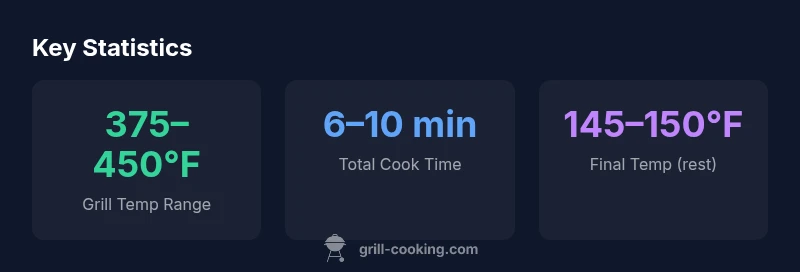
According to Grill Cooking, the ideal grilling temperature for pork chops is medium-high heat, about 375–450°F (190–232°C). Start with a quick sear over direct heat for 2-3 minutes per side, then finish with indirect heat until the center reaches 145°F (63°C) and rest to 150°F. Use a thermometer for accuracy, and rest 3–5 minutes before serving.
Why Temperature Matters When Grilling Pork Chops
For home cooks answering what to grill pork chops at, temperature is the single most influential variable. Temperature controls juiciness, crust development, and safety. Pork chops respond differently from beef: overheat can dry them out quickly, while too cool grate can leave a pale exterior. According to Grill Cooking, a balanced approach—hot initial searing followed by controlled, moderate heat—yields a crust with a juicy, evenly cooked center. In practice, you are aiming for a short, intense browning phase, then a longer finish that completes the cook without overshooting the target. Remember that carryover cooking will raise the internal temperature by several degrees after removal from the grill, so plan accordingly. The result is pork chops that are flavorful on the outside and tender inside, with reliable results across bone-in and boneless cuts.
Defining Temperature Ranges: Direct Heat vs Indirect Heat
Direct heat is your friend for a fast, flavorful crust. Plan grate temperatures near the higher end of the range (roughly 450–500°F / 232–260°C) for a brief sear of 2–3 minutes per side. After searing, move the chops to indirect heat (grate around 325–350°F / 165–177°C) to finish cooking through without drying out. The exact split depends on thickness and whether the chop is bone-in. Boneless cuts tolerate a shorter finish, while bone-in pieces demand a bit more time. Always monitor with a thermometer rather than relying on time alone. Grilling practices vary by grill type (gas vs charcoal) and ambient conditions, so use temperature as your guide rather than the clock. This approach reduces the risk of overcooking and ensures even coloration from edge to center.
Practical Grilling Timeline for 1-Inch Pork Chops
A practical approach starts with preheating the grill and patting the chops dry. Sear over direct heat for 2–3 minutes per side to develop color, then slide them to indirect heat for 4–6 minutes (bone-in may need a minute longer). Target an internal temperature of 145°F (63°C) and let the meat rest for 3–5 minutes before slicing. This plan yields a crusty exterior with a rosy, juicy center. Remember, smaller chops cook faster, so thickness and bone presence matter. If you plan to marinate, do so before patting dry, but avoid washing off the marinade after searing. For even results, flip only once during the indirect phase and avoid pressing down on the meat, which squeezes out juices.
Techniques to Achieve a Juicy Crust
Moisture retention begins with thorough pat-drying and a light oil coat. Season generously with salt and a simple rub, then apply heat boldly at first to form a crust. A short rest after searing allows the muscle fibers to reabsorb juices. If you want extra flavor, consider a brief marinade or a glaze toward the end of cooking to balance savory notes with a hint of sweetness. For bone-in chops, rotate halfway through to ensure even crust along the bone. A touch of finishing salt after resting can enhance the crust without overpowering the pork.
Common Mistakes and How to Fix Them
Common errors include cooking straight from the fridge, skipping a thermometer, and neglecting rest time. Always bring chops to near room temperature before grilling and use a digital thermometer for accurate readings. If the chop curls or shrinks, it’s a signal that the grate is too hot or the chop is too thick; adjust heat or thickness where possible. Avoid over-oiling the grate, which can lead to flare-ups; wipe between batches to maintain steady heat. Finally, resist the urge to cut into meat immediately after cooking—resting is essential for juiciness. If you see rapid color changes, reduce the heat slightly and maintain a gentle simmer of the surface to avoid scorching.
Flavor Boosters: Marinades, Rubs, and Finishes
A light marinade or dry rub can enhance flavor without overpowering pork. Marinades with acid should be brief to avoid toughening connective tissue, and you should pat-dry before cooking to ensure a good crust. The simplest approach is a salt-and-pepper rub with a touch of garlic or smoked paprika. For a finishing glaze, apply in the last minute to add shine and balance the pork's natural sweetness. If you want extra depth, experiment with fruit-based glazes (apple, maple) that pair well with pork's natural sugars. Balance sweetness with a touch of acidity to brighten the palate.
Summary and Practical Takeaways for Everyday Grilling
To consistently grill pork chops at the right temperature, plan for a hot sear followed by a controlled finish, use a thermometer, and rest the meat before serving. Thickness and bone presence drive timing, so measure the chop before cooking and adjust accordingly. With these practices, you will achieve juicy interiors and beautifully browned exteriors across bone-in and boneless cuts.
Grilling methods for pork chops: temperature and timing
| Method | Target Temp (°F) | Cook Time per Side | Notes |
|---|---|---|---|
| Direct-Heat Sear | 450–500 | 2–3 minutes | Color and crust |
| Indirect-Heat Finish | 325–350 | 4–6 minutes | Even doneness |
| Bone-In Chop Method | 350–400 | 3–5 minutes | Moisture near bone |
FAQ
What is the safe internal temperature for pork chops?
The USDA recommends cooking pork chops to 145°F (63°C) and letting them rest. Use a thermometer to verify.
Cook pork chops to 145 degrees, then rest; use a thermometer.
Should bone-in pork chops cook longer than boneless?
Bone-in chops may take slightly longer; start with direct heat 2-3 minutes per side, then finish indirect until 145°F.
Bone-in takes a bit longer; check with thermometer.
Is it better to marinate pork chops before grilling?
Marinades add flavor and moisture; pat dry before grilling; avoid lengthy acidic marinades that can toughen meat.
Marinade helps flavor, but pat dry and grill.
Can I grill pork chops on a gas grill?
Yes, gas grills work well with direct heat; preheat and maintain even temps.
Yes, use direct heat and preheat.
How long should I rest pork chops after grilling?
Rest 3-5 minutes to let juices redistribute.
Rest for 3-5 minutes.
“Precision matters more than guesswork when grilling pork chops. By controlling the temperature and using a thermometer, you’ll achieve a juicy center and a crisp crust.”
Quick Summary
- Preheat grill to 375–450°F before cooking
- Sear chops over direct heat, then finish indirect
- Aim for 145°F internal temp; rest 3–5 minutes
- Bone-in chops may require slightly longer time
- Use a thermometer for accuracy