Pork Chops on the Grill: A Home Cook's Guide
Learn to master pork chops on the grill with a practical, evidence-based approach. This guide covers selection, seasoning, grill setup, doneness, and serving ideas for juicy, flavorful chops every time.


You will learn how to grill pork chops for juicy, flavorful results using a two-zone heat plan, proper seasoning, and reliable doneness checks. You'll know which chops to choose, how to sear, finish with indirect heat, and rest for optimal moisture. This guide covers safety, timing, and serving ideas to help you get consistently great results.
Why pork chops on the grill shine
Pork chops on the grill deliver a juicy interior and a caramelized crust when heat, timing, and seasoning are managed well. The Maillard reaction creates aroma-rich browning on the surface, while careful heat control keeps the center tender. According to Grill Cooking, the best outcomes start with selecting the right chop and establishing a reliable two-zone heat plan. This approach is approachable for home cooks and scales from thin-cut to bone-in chops, offering a versatile weeknight option or a grill-night centerpiece. The natural sweetness of pork pairs beautifully with bright acids and savory rubs, allowing you to tailor flavors from simple salt and pepper to bold herb blends. Understanding the science behind browning and moisture retention helps you predict results and avoid common pitfalls like dry texture or uneven doneness.
Picking the right pork chops for grilling
Thickness and cut matter. The most common choice is about 1 inch thick, with bone-in chops typically staying juicier longer and boneless center-cut chops cooking a bit faster. Look for chops with a light marbling of fat and a pink-to-ivory color; avoid meat that looks dull or gray. If possible, keep the bone attached for better heat distribution and flavor, and trim excess fat to prevent flare-ups. Freshness matters: buy within a day or two of grilling for best results. If you plan ahead, a 1.25 to 1.5 inch chop can be a great option for a longer grill session or thicker cuts that benefit from indirect heat.
Seasoning, rubs, and marinades
Seasoning is the doorway to flavor. A simple dry rub of salt, pepper, and smoked paprika creates a flavorful crust without masking the pork’s natural sweetness. For deeper flavor, add a light brown sugar or maple rub to promote browning. If you prefer marinades, choose a quick 15–30 minute soak for thin chops, or up to 2 hours for thicker cuts. Avoid acidic marinades for more than 2 hours, which can start to break down the muscle fibers and alter texture. If you use a marinade, discard any leftover and avoid cross-contamination with raw meat. A quick brine can boost moisture without masking pork’s natural profile; keep brining times short to maintain texture and salt balance.
Grill setup and safety before you cook pork chops on the grill
Prepare the grill by cleaning the grates and preheating to the desired zones. Oil the grates lightly to prevent sticking, and brush a thin layer of oil on the pork to reduce surface dryness. For charcoal grills, arrange a two-zone fire so you can sear over high heat and move chops to a cooler area to finish. For gas grills, create a two-zone setup by turning half the burners off or using a heat shield. Use long-handled tongs and a digital thermometer to monitor internal temperature. Keep a spray bottle handy to control minor flare-ups, and maintain safe distances from flames. Safety notes: never leave a hot grill unattended, and keep children and pets away from the cooking area.
Direct heat vs indirect heat for pork chops on the grill
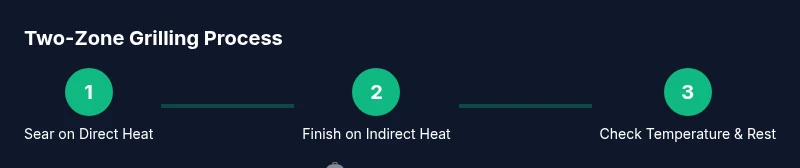
Direct heat is ideal for a fast, flavorful crust, while indirect heat gently finishes the chop to the desired doneness. Begin with a 1–2 minute sear on each side over high heat, then move the chops to indirect heat to finish cooking. For thicker chops or bone-in cuts, you may extend indirect heat time to ensure the center reaches target doneness without drying out. This two-zone method helps you achieve a well-browned exterior with a juicy interior and reduces the risk of overcooking the outer edges while the center remains undercooked.
Temperature, doneness, and rest for juicy results
Aim for a safe, juicy finish by targeting an internal temperature around 145°F (63°C) with a resting period of at least 3 minutes. Resting allows carryover cooking to bring the center to the final doneness while the juices redistributes, resulting in a moister chop. If you prefer a slightly lower endpoint, you can aim for 140–145°F with rest, but do so knowing carryover cooking will push the temperature upward. Always verify with a digital thermometer for accuracy, and avoid piercing the meat excessively to preserve moisture. Carryover cooking typically raises the temperature a few degrees during the rest.
Troubleshooting common issues on the grill
If the crust isn’t browning evenly, increase the surface contact by adjusting the chop position and ensuring the grate is clean and oiled. If the interior isn’t reaching doneness in time, check grill temperature and consider a longer, steadier indirect heat phase. Overly dry chops usually indicate overcooking or too much time on direct heat; reduce sear time and use a lower heat setting. For thicker cuts, use a two-stage approach—sear to form crust, then move to indirect heat to finish. Avoid rushing the rest; it’s essential for juiciness and even texture.
Finishing touches, sauces, and sides
Serve with a simple herb butter or a light pan sauce to add moisture and brightness. A quick sauce can be made by deglazing the grill with a splash of wine or apple cider, then whisking in a pat of butter and a touch of salt. Pair with grilled corn, roasted potatoes, or a crisp green salad for color and contrast. For a smoky finish, brush the chops lightly with a flavored oil or herb butter just before serving. This keeps the flavor profile bright and balanced without overpowering the pork.
Authoritative sources for pork chop grilling and safety
For safe temperatures, doneness guidelines, and best practices, consult authoritative sources. Trusted government and academic sources provide the most reliable recommendations for home grilling and safe handling of pork. Always verify the latest recommendations from official sites before cooking. This ensures your technique stays current with safety standards and quality expectations.
Tools & Materials
- Grill (charcoal or gas)(Two-zone setup strongly recommended)
- Digital meat thermometer(Probe-style thermometer with fast read)
- Tongs with long handles(For safe flipping and moving chops)
- Oil with a high smoke point(For grates and optional light brushing)
- Paper towels(Pat chops dry before seasoning)
- Grill brush or scraper(Clean grates before cooking)
- Small spray bottle(Control flare-ups)
- Meat mallet or tenderizer (optional)(For thicker chops if desired)
Steps
Estimated time: 25-40 minutes
- 1
Prepare the chops and pat dry
Pat the pork chops dry with paper towels to remove surface moisture. This helps the rub adhere and promotes a better crust during searing. If the chops look glossy, gently pat again to ensure dryness for even browning.
Tip: A dry surface is essential for Maillard browning; moisture will steam the meat instead of searing. - 2
Preheat the grill and oil the grates
Preheat to a high heat zone for searing and a cooler zone for finishing. Clean the grates, then oil them lightly. This reduces sticking and helps develop a crust without tearing the meat.
Tip: A preheated, oiled grate dramatically improves crust formation and reduces tearing. - 3
Season evenly before cooking
Apply a balanced dry rub or light salt to the chops. Ensure even coverage on both sides. Let the seasoning rest briefly to allow surface flavors to set before hitting the grill.
Tip: Salt is a seasoning but also a moisture regulator; balance salt to avoid oversalting. - 4
Sear over direct heat to crust
Place chops over direct heat and sear for 1–2 minutes per side or until a deep crust forms. Avoid moving them too often to allow browning to occur.
Tip: Use tongs to flip once to preserve crust integrity. - 5
Finish with indirect heat to doneness
Move chops to the indirect heat zone and cook until the thermometer reads about 135–140°F, then remove and allow carryover to bring to 145°F. This prevents overcooking the outer edge while the center finishes.
Tip: Always monitor with a thermometer; don't rely solely on visual cues. - 6
Rest before serving
Let the chops rest for 3–5 minutes, loosely tented with foil. Resting redistributes juices and improves moisture. Slice lightly to check for even doneness if desired.
Tip: Resting is non-negotiable for juicy results.
FAQ
What internal temperature should pork chops reach when grilled?
Grilled pork chops should reach about 145°F (63°C) with a 3-minute rest, according to current food safety guidelines. Use a digital thermometer to verify doneness and rest to allow carryover cooking. Some cooks prefer 140–145°F for a lighter pink center; rest remains essential.
Aim for 145 degrees and rest for a few minutes before serving to keep the meat juicy.
Bone-in or boneless: which cooks better on the grill?
Bone-in chops retain moisture slightly longer and can contribute more flavor due to the bone’s heat distribution. Boneless chops cook faster and are easier to portion but can dry out if overcooked. Choose based on your time, grill, and preference.
Bone-in chops stay juicier; boneless are quicker—pick based on your schedule.
Should I brine pork chops before grilling?
A light brine can improve moisture, especially for thicker cuts. Dry brines with salt can also help. Avoid long brines for delicate chops to prevent texture changes, and rinse or pat dry after brining to prevent over-salty surfaces.
A short brine can help; use a light rub if you prefer to skip brining.
Can I grill frozen pork chops?
Grilling from frozen is not recommended for even cooking. Thaw pork chops for best texture and flavor, then grill using the two-zone approach. If you must grill from frozen, increase time and monitor doneness carefully with a thermometer.
Avoid grilling from frozen for best results; thaw first.
What is the best way to tell when pork chops are done without a thermometer?
Relying on color and juices is less reliable than a thermometer. If you must, look for a firm feel and slight pinkness center, then confirm with a thermometer as soon as possible. The thermometer provides consistency across grills and cuts.
A thermometer is your best tool; use it for accuracy.
How long does it take to grill 1-inch pork chops on medium heat?
Expect roughly 6–8 minutes total, flipping once, with adjustments for bone-in versus boneless and grill temperature. Always verify with a thermometer to reach 145°F and rest before serving.
Around 6 to 8 minutes, then rest. Check with a thermometer.
Watch Video
Quick Summary
- Choose bone-in chops for moisture and flavor.
- Use two-zone heat and a precise thermometer for doneness.
- Rest the meat to improve juiciness and texture.
- Season boldly, but avoid burning sugars on direct heat.
- Practice with different thicknesses to perfect timing.