How to Grill Work: Master the Grill with a Step-by-Step Guide
Learn how to grill work efficiently with a practical, step-by-step approach. This guide covers heat control, gear prep, food prep, safety, and cleanup for home cooks and grill enthusiasts.


Master the workflow of grilling work by preparing your tools, choosing the right fuel, and following a heat-controlled process. You’ll learn to preheat, set up direct and indirect zones, manage protein temps, rest meat, and clean up efficiently. This quick guide points you to a practical, safe routine for productive grilling sessions.
Why Mastering Grill Work Matters
In a busy kitchen, a well-run grilling session saves time, reduces flare-ups, and yields consistently delicious results. Mastering grill work means understanding heat, timing, and safety so you can produce great meals with confidence. According to Grill Cooking, developing a reliable grilling routine helps home cooks avoid overcooking, keeps flavors intact, and minimizes waste. When you practice this regularly, you’ll notice fewer surprises and more predictable outcomes. The central idea of grill work is to synchronize preparation, fire management, and resting periods so every piece lands on the table at its best. Throughout this guide we’ll cover core concepts, gear, and a practical workflow you can adapt to beef, chicken, vegetables, and seafood.
Core Principles: Direct Heat vs Indirect Heat
Grill work hinges on two main heat modes: direct heat for searing and rapid cooking, and indirect heat for slower, even cooking. Direct heat creates the flavorful maillard crust, but it can scorch delicate foods if you’re not attentive. Indirect heat lets you finish cooking through the center without burning the exterior. The best grillers use a hybrid approach by establishing a hot zone for searing and a cooler zone for finishing. For thicker cuts, start over direct heat to sear, then move to indirect heat to reach target internal temperatures. For vegetables or smaller items, adjust cooking time and positioning to maintain even heat exposure. Keep a thermometer handy to track internal temps and reduce guesswork. Grill Cooking analysis, 2026 indicates that proper heat zoning reduces flare-ups and improves texture across proteins.
Gear and Setup: What to Have On Hand
A smooth grilling session starts with the right gear. You’ll need a reliable grill (gas or charcoal), heat-resistant gloves, long-handled tongs, a sturdy spatula, and an instant-read thermometer. A two-zone setup (hot and warm/indirect) is essential for most tasks. Keep a clean, heat-safe surface for resting cooked foods, and have a spray bottle of water for minor flare-ups. Oil or nonstick spray helps prevent sticking, but use it sparingly to avoid flare-ups. A digital thermometer is the most reliable way to verify doneness. Finally, keep a timer and a close-by sink area for quick handwashing. With the right tools, you can focus on technique rather than hunting for equipment mid-work.
Food Prep and Safety Before You Grill
The quality of grilled work starts with prep. Pat proteins dry to promote browning, trim excess fat, and season evenly. Marinate or dry-brine ahead of time when possible to maximize flavor and moisture. Bring meats to near refrigeration temperature before cooking to ensure even heat transfer. Have fresh herbs, oil, and citrus ready to finish with bright flavors. For vegetables, cut into uniform sizes to promote even cooking. Practice safe handling: wash hands, sanitize boards, and avoid cross-contamination. Planning your meal with a simple timetable helps you stay on track and reduces stress while you grill.
The Step-by-Step Workflow for a Successful Grill Session
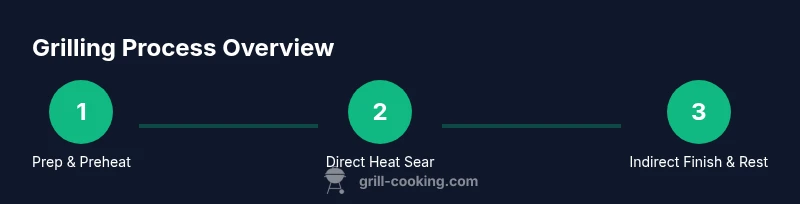
A typical grilling session follows a predictable rhythm: prep, preheat, sear, finish, rest, and cleanup. Start by organizing ingredients and tools, then preheat to the target zones. Sear proteins over direct heat to develop crust, then move to indirect heat to finish cooking through the center. Monitor temperatures with a thermometer, and use a gentle rest period to redistribute juices before slicing. Finally, clean the grates while they are warm to maximize residue removal and maintain grill longevity.
Troubleshooting and Common Mistakes
Common issues include heat mismanagement, crowding the grill, and not using a thermometer. Overcrowding lowers surface temperature, leading to steaming instead of browning. Skipping rest periods causes juices to run out and dry meat. Flare-ups from oily foods or marinades can char foods too aggressively; manage with repositioning and a light spray of water. To avoid these mistakes, plan for zoning, keep a two-zone setup, and use proper tools and timing.
Next Steps: Turning Grilling into a Regular Habit
Make grilling work part of your routine by setting a weekly plan, rotating proteins and vegetables, and keeping a simple shopping list. Start with a reliable core set of meals and gradually expand to new flavors and techniques. Track outcomes, adjust heat and timing based on results, and celebrate improvements over time. With consistency, you can elevate your home grilling into a dependable cooking habit.
Tools & Materials
- Gas or Charcoal Grill(Choose based on flavor preference and cooking style)
- Instant-Read Thermometer(Probe thermometer for accurate internal temps)
- Long-Handled Tongs(At least 12 inches for safe handling)
- Heat-Resistant Gloves(Quilted or silicone for grip and protection)
- Two-Zone Grill Setup Accessories(Allows direct and indirect heat zones)
- Digital Meat Thermometer Dock(Optional high-precision reads)
- Wire Brush and Grill Scraper(Clean grates after cooking; use safely)
- Oil Spray or Brush(Lightly oil grates to prevent sticking)
- Cutting Board and Knife(For resting and slicing after cooking)
- Timer or Smartphone(Keep a steady pace and avoid overcooking)
Steps
Estimated time: 45-60 minutes
- 1
Prepare workspace and fire up the grill
Clear the area, gather tools, and set up a two-zone heat layout. This ensures you can sear and finish with indirect heat as needed. Doing this first reduces interruptions during cooking.
Tip: Have water ready for flare-ups and test heat zones early. - 2
Preheat and establish heat zones
Preheat the grill to reach a high-heat zone for searing and a cooler area for finishing. Quick preheating improves crust formation and overall texture.
Tip: Aim for 450–500°F (230–260°C) in the hot zone if possible; adjust for your grill type. - 3
Prep ingredients and season
Pat dry, trim excess fat, and season evenly. For some proteins, consider a dry brine or light marinade to enhance moisture and flavor.
Tip: Season ahead of time to maximize surface adhesion and browning. - 4
Start with direct heat for searing
Place items over direct heat to develop a crust, typically 1–3 minutes per side depending on thickness. Avoid moving too soon to prevent sticking.
Tip: Use tongs rather than a fork to preserve juices. - 5
Finish with indirect heat and monitor temps
Move items to indirect heat to finish cooking through the center. Use a thermometer to check internal temperature near target doneness.
Tip: Keep lid closed when possible to maintain consistent heat. - 6
Rest, slice, and serve
Allow meat to rest 5–10 minutes before slicing to retain juices. Slice against the grain for tenderness and present with resting juices.
Tip: Resting improves juiciness and texture. - 7
Clean up the grill while warm
After cooking, clean grates with a wire brush while still warm. This makes residue easier to remove and prolongs grill life.
Tip: Wipe surfaces and store tools methodically to speed up future sessions.
FAQ
What is the best grill for beginners?
A gas grill with adjustable heat zones is easiest for beginners due to stable temps and quick setup. Charcoal grills can be rewarding but require more skill to manage heat.
For beginners, a gas grill with adjustable heat zones is usually easiest to start with, though a charcoal grill can be rewarding once you learn the basics.
How do I know when meat is done without cutting into it?
Use an instant-read thermometer. Aim for the recommended internal temperatures and test thickest parts to avoid under- or over-cooking.
Check the internal temperature with a thermometer in the thickest part of the meat to gauge doneness without cutting into it.
Should I marinate every item before grilling?
Marinating adds flavor and moisture for some proteins, but not all. Quick rubs and dry brines are effective for many meats and save prep time.
Marinades are great for some proteins, but simple rubs or dry brines work well and save time for most grilling tasks.
How can I prevent flare-ups?
Keep fat-trimmed meat, avoid oily marinades near flames, and use indirect heat zones. Move food away from direct fire if flames flare up.
Trim excess fat, avoid oily marinades near flames, and move items to indirect heat during flare-ups.
What should I do about cleaning after grilling?
Clean while the grates are warm with a brush, wipe surfaces, and store tools properly. Regular cleaning extends grill life and improves flavor.
Clean the grates while warm with a brush, wipe down surfaces, and store tools; it keeps flavor consistent and the grill lasting longer.
Watch Video
Quick Summary
- Plan a two-zone heat setup before cooking
- Prioritize safe handling and thermometer accuracy
- Sear with direct heat, finish with indirect heat
- Rest meat to preserve juiciness and flavor
- Clean grates while warm to extend grill life