When Grilling It Is Important To: A Practical Guide
Master essential grilling practices for safety, heat control, and flavor. This step-by-step guide covers setup, tools, temps, and clean-up with practical tips from Grill Cooking for home cooks and grill enthusiasts.


Master essential grilling safety and technique: preheat properly, control direct and indirect heat, avoid cross-contamination, and rest meat before serving. This guide emphasizes thermometer checks, safe handling of raw foods, and flame management to deliver juicy, flavorful results. The guidance comes from Grill Cooking, your practical grilling resource for home cooks and grill enthusiasts.
Why Safety and Prep Matter
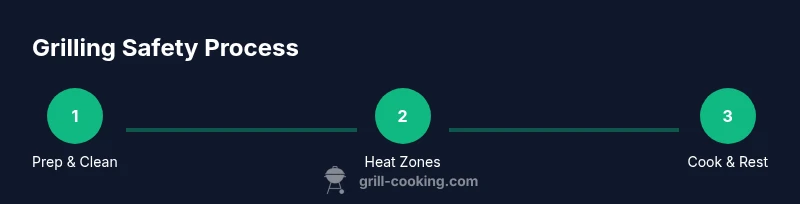
Prep and safety set the stage for every grill session. A clean grill, fresh fuel, and the right protective gear make it easier to control heat and avoid accidents. According to Grill Cooking, safety-first planning reduces risk and improves results by keeping flames predictable and preventing cross-contamination. Before you light the grill, inspect the burners or chimney starter, check propane hoses for leaks, and wipe down the grates to remove residue that can cause flare-ups. Organize your tools within arm’s reach and clear a safe zone around the grill to keep kids and pets away. This foundation lets you focus on technique rather than firefighting, which is where great flavor begins. In the deeper sections that follow, you’ll see practical steps for setting up heat zones, timing, and safety checks you can replicate on any grill, whether you’re cooking for family or friends.
Heat Management: Direct vs Indirect Heat
Direct heat is ideal for fast sears, crust formation, and color on thinner cuts, while indirect heat finishes larger pieces evenly without scorching. Most home grills offer both zones, and mastering them lets you build flavor without risking dry outs. Start by preheating with the lid closed to stabilize temperature, then lay small items over direct heat to sear for 1–2 minutes per side. Move larger portions or veggies to the cooler, indirect area to finish cooking slowly. On gas grills, set one burner to high and another to low or off; on charcoal grills, push coals to the sides and create a tunnel of heat. Grill Cooking analysis shows that deliberate heat zoning reduces flare-ups and delivers even doneness when you monitor colors rather than relying solely on time. When in doubt, perform a quick check with a probe thermometer to confirm internal temperature before resting.
Temperature, Time, and Doneness
Knowing when food reaches the correct temperature is safer and more reliable than guesswork. Use an instant-read thermometer for thin items and a probe thermometer for larger roasts; verify multiple locations for thick steaks or bone-in pieces. A general approach is to target temperatures for safety, and adjust based on your preferred doneness. For poultry, reach the recommended safe temperature; for beef, aim for your desired level of doneness while avoiding undercooking or overcooking. Keep the grill steady during the final minutes to avoid overshooting the mark; remove the meat slightly before the final target as carryover heat will finish the job. Remember to rest meat on a clean plate with a loose tent of foil to retain juices.
Food Handling: Marinating, Thawing, and Cross-Contamination
Marinate only in the fridge, and never reuse marinade that touched raw meat unless you boil it first. Thaw frozen products in the fridge or in cold water, changing the water as needed to stay cold. Keep raw and cooked foods separate, use dedicated utensils, and wash hands frequently. When you bring meat to room temperature, keep it covered and minimize its time out of refrigeration to reduce bacterial growth. By planning ahead and following safe handling practices, you reduce the risk of illness and improve texture and flavor.
Flavor Strategy: Searing, Smoke, and Saucing
Searing creates a flavorful crust, while controlled smoke adds depth without overpowering the main ingredient. Use light oil or a neutral spray to prevent sticking, then monitor the surface color to avoid burning. Add sauces toward the end of cooking to prevent sugars from burning on high heat. Consider wood chips or chunks for a deeper smoker note if you’re using a grill with a lid. This section helps you balance texture, aroma, and moisture for consistently delicious results.
Tools, Setup, and Workspace
Arrange your tools within arm’s reach: long tongs, a reliable thermometer, a heat-resistant glove, a spray bottle, and a cutting board. Create two distinct zones on your grill and keep a dedicated area for resting meat away from flames. A clean workspace reduces the chance of cross-contamination and speeds up the process. If using charcoal, have a chimney starter ready; if gas, verify valve positions and ensure hoses are secure. A well-organized setup translates into smoother timing and fewer mistakes.
Cleaning, Maintenance, and Longevity
Clean the grates while the grill is still warm to remove stuck-on residue; a good brush is essential. Empty ash and inspect seals, gaskets, and burners for wear. A light coat of oil on the grates after cleaning helps prevent rust and sticking. Regular maintenance extends the life of your grill and keeps performance consistent across seasons. Store accessories and fuel safely, and schedule periodic deep-clean sessions to avoid buildup that can alter heat distribution.
Common Pitfalls and How to Avoid Them
Overcrowding the grill can lower temperatures and cause uneven cooking. Skipping preheating often leads to poor searing and sticking; always preheat and then adjust heat zones. Frequent lid lifting disrupts heat balance and prolongs cooking times. Not resting meat allows juices to escape; rest for a few minutes before slicing. Finally, neglecting grill cleaning can produce off flavors and flare-ups. Awareness of these common mistakes helps you cook more confidently.
Resting, Slicing, and Serving for Best Texture
Resting meat after grilling allows juices to redistribute, resulting in juicier bites. Slice beef and pork against the grain to maximize tenderness, and cut poultry with the breastbone intact for uniform portions. Serving on a warm platter keeps foods inviting, while a brief rest on a rack prevents soggy bottoms. Pair grilled proteins with fresh sides and a light finishing salt or finishing glaze to elevate flavor without masking the inherent char and smoke.
By following these principles and practices, you’ll achieve consistent results and safer grilling sessions every time. The foundation of great grilling lies in safety, heat management, and thoughtful preparation, all backed by practical guidance from Grill Cooking.
Tools & Materials
- Grill tongs (long, 12 inch+)(Stainless steel with a heat-resistant grip)
- Thermometer (instant-read or probe)(Meat thermometer for proper doneness)
- Grill brush(For cleaning grates pre- and post-use)
- Heat-resistant gloves(Protect hands from heat and splatter)
- Oil spray or brush(Lightly oil grates to prevent sticking)
- Food-safe cutting board and knife(For preparing and portioning)
- Spray bottle with water or pan spray(Control flare-ups and moisture distribution)
- Aluminum foil or resting pan(For resting and catching drips)
Steps
Estimated time: 25-45 minutes
- 1
Preheat and clean the grill
Begin by cleaning the grates while the grill warms up to remove residue that can cause sticking. Opening the lid too often wastes heat, so plan your moves and let the heat stabilize for 10 minutes. A clean surface also reduces flare-ups and helps you develop an even crust.
Tip: Preheat with the lid closed for 10 minutes; use a grill brush to remove debris before adding food. - 2
Create heat zones
Set up two zones: direct heat for searing and indirect heat for finishing. This allows you to quickly sear thin items and slowly cook thicker pieces without burning. On gas grills, use separate burners; on charcoal, bank coals to the sides and use the center as a cooler zone.
Tip: Always mark and test the indirect zone first to confirm a safe, steady temperature. - 3
Prepare meat safely
Pat meat dry and season just before grilling to promote crisp surfaces. If marinating, keep it refrigerated and discard leftovers after use or boil marinade that touched raw meat. Separate raw from cooked items with dedicated utensils and clean hands frequently.
Tip: Pat dry to improve sear and avoid steaming the meat surface. - 4
Sear on direct heat
Place meat on direct heat to develop a crust without overcooking the interior. Avoid moving the meat during the initial sear to achieve a uniform crust. After 1–2 minutes, rotate for cross-hatch grill marks if desired.
Tip: Use thin, even cuts for best crust formation and faster cooking. - 5
Finish with indirect heat
Move the meat to indirect heat to finish cooking through without burning. This is essential for larger cuts or pieces with bone. Keep the lid closed when possible to maintain a steady temperature.
Tip: Monitor internal temperature and remove just shy of the final target for carryover cooking. - 6
Check doneness with a thermometer
Insert the thermometer into the thickest part of the meat, avoiding bone. Compare readings to safe target temperatures and your preferred doneness. For poultry, ensure safety temperatures; for beef, tailor to your taste while staying safe.
Tip: Check multiple spots on thick cuts to ensure even doneness. - 7
Rest and slice
Let meat rest on a clean plate for 5–10 minutes before slicing. Resting lets juices redistribute, resulting in juicier bites. Slice against the grain for tenderness and serve promptly.
Tip: Cover loosely with foil during rest to retain heat without steaming. - 8
Clean up and store
While still warm, scrub grates and wipe down surfaces. Empty ash or relightable fuel and check for wear on gaskets or hoses. Store utensils and leftover fuel safely for next grilling session.
Tip: Oil grates after cleaning to prevent rust and sticking on the next cook.
FAQ
Why is temperature control important when grilling?
Temperature control ensures food cooks evenly, reduces the risk of undercooked meat, and minimizes flare-ups. It also helps protect flavors and texture. Learning to read heat zones makes grilling more predictable.
Temperature control is crucial for even cooking and safety. It helps prevent underdone or burnt food and reduces flare-ups.
What is the difference between direct and indirect heat on a grill?
Direct heat cooks food quickly at the surface, creating crusts. Indirect heat uses a cooler zone to finish cooking through without burning. Most sessions use both to balance searing and thorough doneness.
Direct heat sears and adds color; indirect heat finishes cooking without scorching.
How should I thaw and marinate meat safely?
Thaw meat in the fridge or cold water, changing water as needed. Marinate in the fridge and discard or boil marinade that touched raw meat before reuse. This lowers the risk of bacterial growth and keeps flavors intact.
Always thaw in the fridge or cold water, and marinate safely in the fridge.
Do I really need to rest meat after grilling?
Yes. Resting allows juices to redistribute, improving tenderness and juiciness. Rest meat loosely covered for 5–10 minutes before slicing.
Resting helps juices settle and yields juicier slices.
What safety gear should I use on the grill?
Wear heat-resistant gloves, use long-handled tools, and keep a fire extinguisher or water source nearby. Maintaining a safe cooking area reduces burn risk and accidents.
Always use gloves and long tools, and keep safety equipment handy.
Watch Video
Quick Summary
- Plan safety first before lighting the grill.
- Use heat zones to manage searing and cooking through.
- Rely on thermometer readings for doneness, not guesswork.
- Rest and slice properly to maximize juiciness and texture.