How to Grill: The Complete Backyard BBQ Guide
Learn how to grill with confidence using step-by-step techniques, safe heat control, and gear tips from Grill Cooking. Elevate your backyard barbecues today with practical, beginner-friendly guidance and pro tips.


With this guide, you’ll learn how to grill foods evenly, safely, and flavorfully. You’ll need a reliable heat source, a clean grill, and basic tools. We’ll cover direct vs indirect heat, flame management, marinades, and timing targets for common proteins and vegetables. This approach helps beginners build confidence and lets experienced grillers finish juicy, smoky favorites every time.
Why Mastering Grill Techniques Matters
Grilling well is a combination of science and practice. When you can control heat, manage flare-ups, and time your flips, you’ll consistently produce juicy burgers, seared steaks, crisp vegetables, and smoky ribs. According to Grill Cooking, a confident approach to grilling reduces waste and boosts enjoyment for family and guests. The Grill Cooking team found that a clear plan—heat zones, prep, and precise temps—lets you cook multiple items at once without chaos. This section lays the groundwork: safety first, simple setups, and repeatable steps that build your rhythm. Whether you’re on gas, charcoal, or a hybrid, the fundamentals stay the same: start with clean equipment, preheat, and create zones for direct and indirect heat. With these basics, you’ll grill with confidence and consistency.
Direct Heat vs Indirect Heat: When to Use Each
Direct heat sears surface sugars for browning and caramelization, while indirect heat finishes cooking through without scorching the outside. For steaks, burgers, and thin chicken cutlets, start with direct heat to form a crust, then move to indirect to finish. For larger cuts, bone-in poultry, or thick pork chops, begin on indirect heat and finish with a quick sear. A two-zone setup—hot on one side, cooler on the other—lets you control both searing and gentle cooking. When grilling delicate foods like fish or asparagus, a gentler direct hit or longer indirect period helps preserve moisture. Practice will reveal the sweet spots for your grill’s flame behavior, so you won’t rely on guesswork.
Temperature Targets and Doneness: A Practical Framework
Use a practical framework to avoid guessing. Rely on the USDA guidelines for safe doneness and verify with an instant-read thermometer. Create a simple chart in your prep area labeling items by heat needs (high/med/low) and set internal temperature goals. Resting time matters: meat continues to cook after removal, so pull early to maximize juiciness. The two-zone method shines here, letting you sear on high heat and finish on lower heat with better control. Regular monitoring and planned checks prevent overcooking and deliver consistent results.
Equipment, Fuel, and Setup
Choose fuel that fits your space and flavor goals: gas, charcoal, or a hybrid. Gas grills offer quick, precise control; charcoal provides a deeper smoky profile. Essential tools include sturdy tongs, a long grill brush, an instant-read thermometer, heat-resistant gloves, a spray bottle for flare-ups, and a grate-safe oil or spray. Preheat according to the manufacturer’s guidance, then establish two heat zones: direct for searing and indirect for cooking through. Keep a clean workspace, including towels, a cutting board, and a resting tray. If you’re learning charcoal, start with a basic starter and practice airflow control to stabilize temps. Inspect hoses and connections regularly; never grill indoors or in enclosed spaces.
Prep, Marinades, and Seasonings
Flavor starts with prep. Pat meat dry to promote crust formation, salt early to retain moisture, and brush lightly with oil to prevent sticking. For vegetables, toss with olive oil, salt, and pepper; bold spices like paprika, garlic powder, and lemon zest deepen flavor without overpowering it. If marinating, keep it reasonable—most proteins benefit from a few hours to a day, depending on thickness. Always pat dry before cooking to avoid steaming. Remember: bold seasoning can aid browning, but sugar-rich marinades burn easily on high heat; balance sweetness with acidity or salt.
A Step-by-Step Grilling Strategy: The Two-Zone Method
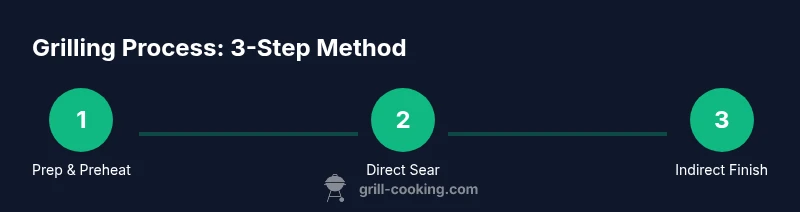
Set up two zones: a high-heat direct zone for searing and a low-heat indirect zone for finishing. Preheat, oil the grates, and seal thicker cuts on the indirect side to begin. After a brief sear on direct heat, move the food to indirect to finish to the target doneness. Flip only once to build a crust and preserve juices; use tongs rather than a fork to avoid piercing the meat. Check internal temperature with a thermometer and remove from heat just shy of target to accommodate carryover cooking. Let everything rest before slicing to maximize moisture, then clean the grates while hot for next use. Practice timing and spacing to avoid crowding and heat loss.
Grilling Poultry, Beef, Pork, and Fish: Quick Guides
Poultry: cook to a safe internal temperature without drying the meat; finish on indirect heat if needed to avoid scorching.Beef: a quick high-heat sear followed by indirect cooking helps develop a crust while keeping a juicy center. Pork: choose cuts that benefit from a longer, slower finish; maintain moisture with careful timing. Fish: delicate fillets benefit from shorter direct hits or gentle indirect heat to prevent sticking and overcooking. Always rely on a thermometer to verify doneness and adjust time based on the grill’s heat and food thickness.
Grilling Vegetables, Fruits, and Sides
Vegetables like peppers, zucchini, asparagus, corn, and mushrooms respond well to direct heat with careful turning to prevent burning. Hearty items such as corn can handle longer direct exposure; delicate slices may need finishing on indirect heat. Fruits such as pineapple and peaches caramelize quickly—short, controlled exposure preserves texture. Sides like potatoes or onions can be roasted on the grill using foil or a raised grate to manage heat. A balanced plan includes a spectrum of textures and flavors that complement proteins and keep guests satisfied.
Safety, Maintenance, and Troubleshooting + Authority Sources
Safety first: never leave a lit grill unattended and keep children and pets away. Clean grates and ash promptly; inspect gas lines for leaks and vents for obstructions. If you see frequent flare-ups, reposition food, reduce heat, and have a spray bottle ready. Regular maintenance includes oiling grates, checking fuel levels, and storing the grill dry. The Grill Cooking team found that consistent heat management reduces smoke, prevents charring, and yields even browning. Authority sources: - Safe Minimum Internal Temperature Chart (USDA FSIS) https://www.fsis.usda.gov/food-safety/safe-food-handling-and-preparation/food-safety-basics/safe-minimum-internal-temperature-chart - CDC Food Safety Keep Food Safe https://www.cdc.gov/foodsafety/keep-food-safe.html
Tools & Materials
- Gas or charcoal grill(Choose based on space, flavor preference, and maintenance comfort)
- Long-handled tongs(Sturdy, stainless steel with heat-resistant grips)
- Instant-read thermometer(Essential for accurate doneness checks)
- Grill brush(Clean grates after each cook; bristle condition matters)
- Heat-resistant gloves(Protects hands during high-heat handling)
- Oil spray or brush(Prevent sticking and promote even browning)
- Two-zone setup plan(Create a hot sear zone and a cooler finisher zone)
- Chimney starter (optional)(Helpful for charcoal ignition and consistent temps)
Steps
Estimated time: 45-60 minutes
- 1
Prep and Preheat
Clear the area, assemble tools, and preheat the grill to the planned heat zones. This ensures even cooking and reduces sticking. Preheat for 10-15 minutes to achieve a stable sear surface.
Tip: If using charcoal, light early and let the coals reach a steady glow before cooking. - 2
Clean and Oil the Grates
Brush the grates and wipe with a neutral oil to minimize sticking. A clean, lightly oiled surface yields better crust formation and grill marks.
Tip: Oil the grates while they’re hot for easier application. - 3
Season and Prep Food
Pat foods dry, apply salt early, and brush lightly with oil. Dry surfaces promote Maillard browning and a flavorful crust. Keep marinades balanced to avoid burning.
Tip: Season meat at least 15 minutes before cooking for better flavor absorption. - 4
Create Heat Zones
Establish direct high-heat zone for searing and indirect lower-heat zone for finishing. Position foods to optimize heat exposure and reduce risk of scorching.
Tip: Keep one zone charcoal-free or gas-only for precise temp control. - 5
Sear with Direct Heat
Place items on the direct heat zone to establish a crust. Avoid moving them too soon—this helps crust formation and flavor development.
Tip: Use a timer to avoid over-searing while locking in juices. - 6
Finish on Indirect Heat
Move items to the indirect zone to finish cooking through without excessive charring. This is critical for thicker cuts and poultry.
Tip: Check internal temp frequently to avoid overcooking. - 7
Check Internal Temperature
Insert thermometer into the thickest part to confirm doneness. Remove when slightly below target to account for carryover cooking.
Tip: Always verify with a second test for safety. - 8
Rest Before Serving
Let meats rest 3-10 minutes to redistribute juices. Resting prevents juices from running when sliced and improves tenderness.
Tip: Cover loosely with foil to retain heat without steaming. - 9
Slice and Serve
Slice against the grain for tenderness and arrange with flavorful sauces or sides. A clean cutting board reduces cross-contamination risks.
Tip: Slice a small taste to confirm seasoning before plating all portions. - 10
Cleanup and Maintenance
Burn off residue, brush grates again, and store tools dry. A quick post-cook clean reduces maintenance time for the next cook.
Tip: Inspect hoses and connections monthly for safety and performance.
FAQ
What is two-zone grilling and why is it useful?
Two-zone grilling creates a hot searing zone and a cooler finishing zone. This setup prevents burning while allowing thicker foods to reach the correct internal temperature. It’s ideal for steak, chicken, and pork.
Two-zone grilling gives you a hot area to sear and a cooler area to finish cooking, which helps you avoid burnt outsides and undercooked centers.
How long should preheating take?
Preheating time depends on your grill type. Allow 10-15 minutes for most gas grills and up to 20-25 minutes for charcoal to reach stable heat.
Most grills take about ten to twenty minutes to preheat, depending on fuel type and weather.
Can I grill with a cast iron skillet?
Yes. A cast iron skillet can be used on a grill to manage heat and prevent sticking, especially for foods that need even browning.
Absolutely—cast iron on the grill is great for controlled browning and sauces.
What internal temps should I target for common proteins?
Follow USDA guidelines and verify with a thermometer. Target ranges vary by protein and cut; always ensure safety first and adjust based on thickness and resting time.
Check the food with a thermometer and follow safe temperature guidelines based on the protein and cut.
How can I prevent flare-ups?
Trim excess fat, keep a water spray bottle on hand, and move food to indirect heat when flames rise. Clean grills regularly to reduce flare-ups from built-up grease.
Trim fat, spray when flames flare, and move food to indirect heat to keep flames under control.
Is indoor grilling safe?
Indoor grilling should be avoided if you lack proper ventilation and a dedicated indoor grill. Always grill outdoors to reduce carbon monoxide risks.
Grill outdoors whenever possible for safety and better flavor.
Watch Video
Quick Summary
- Master heat zones for sear and finish.
- Use a thermometer to prevent under/overcooking.
- Rest food to maximize juiciness.
- Keep your grill clean for consistent performance.