Outdoor BBQ Mastery: A Complete Home Grilling Guide
Master outdoor BBQ with heat zoning, safety best practices, flavorful techniques, and a practical step-by-step plan for meats, seafood, and veggies. Learn gear, timing, and cleanup for confident backyard grilling.


This guide helps you plan and execute a safe, flavorful outdoor bbq. You’ll learn heat zoning, fuels, essential tools, and step-by-step cooking workflows for meats, seafood, and vegetables. Key requirements: a clean grill, reliable fuel, a safe cooking area, and basic thermometer use.
What is an outdoor bbq and why it matters
Outdoor bbq is more than lighting a grill; it’s about cooking with live heat in an open space to maximize flavor while keeping safety top of mind. According to Grill Cooking, mastering heat zoning is the cornerstone of successful outdoor bbq, enabling you to sear foods quickly and then finish them gently to the desired doneness. In practical terms, you’ll plan meals around a two-zone setup, ensure you have a safe cooking area away from structures and dry materials, and pick fuels that suit your menu and your climate. This block sets the stage for the rest of the guide by tying flavor, safety, and technique into a repeatable backyard workflow.
Choosing your grill and fuel
Your choice of grill and fuel will steer your outdoor bbq style. Charcoal delivers classic smoky flavor and high-heat searing; gas grills provide quick ignition and stable temperatures; pellet grills add a gentle, consistent smoke profile with set-it-and-forget-it convenience. Grill Cooking emphasizes the importance of matching fuel to your cooking goals and space. For most home cooks, a combination approach—one grill for high-heat searing and another for indirect cooking—offers the most flexibility. Always consider weather, wind, and storage space when deciding between portable or built-in options. A well-chosen grill becomes the backbone of a reliable grilling routine.
Fire management and heat zones
Creating distinct heat zones on your grill is a game changer for outdoor bbq. Start with a hot direct-heat zone for searing and a cooler indirect-heat zone for finishing. This two-zone approach helps you control flare-ups and prevents delicate items from overcooking. If you’re using charcoal, push most coals to one side to build the direct zone while leaving a cooler area on the opposite side. For gas grills, use one burner on high and another on low or off to imitate the same effect. This planning pays off when you’re juggling multiple items with different doneness targets.
Safety and sanitation essentials
Safety is the backbone of every successful outdoor bbq. Keep a clean, dry area and have a fire extinguisher or baking soda on hand. Wear heat-resistant gloves and long sleeves to protect against flare-ups. Practice safe grilling by keeping kids and pets away from the grill, never leaving a lit grill unattended, and washing hands before and after handling raw foods. The CDC and USDA emphasize clean-handling and proper cooking temperatures as core tenets of food safety, so pair your grilling routine with good hygiene practices and proper storage.
Menu planning and timing
A well-planned menu reduces stress during the cook. Sketch a sequence that groups items by cooking time and temperature: start with longer-cooking proteins or veggies, then finish with quick sears or delicate items. Build in buffer time for resting meat, flavor development, and accidental delays due to weather or equipment. In practice, select 2–3 proteins, 2 sides, and 1 starter or dessert that can share the same heat source. A precise plan minimizes heat fluctuations and helps you serve everyone hot and fresh.
Tools, gear, and prep station
Having the right tools streamlines outdoor bbq. Essential items include a sturdy grill with reliable heat, long-handled tongs, a digital thermometer for accurate doneness checks, a probe thermometer for thicker cuts, heat-resistant gloves, and a grill brush for clean grates. A spray bottle to manage minor flare-ups and a meat rack or tray for resting helps keep your workflow organized. Set up a dedicated prep station with all ingredients measured and labeled, so nothing slows you down when the heat is on.
Cooking techniques: direct vs indirect heat
Direct heat is ideal for searing and quick-cooking foods, while indirect heat is perfect for larger cuts or items that benefit from slow, even cooking. Mastery comes from knowing when to use each approach, and sometimes combining both in sequence. For example, you can sear a steak over direct heat to form a crust, then move it to indirect heat to finish. This method yields great texture on the outside while ensuring the inside reaches the desired doneness without burning.
Meat grilling: steak, chicken, pork
Steak benefits from strong direct heat and a brief resting period off the heat. Chicken should be cooked to a safe internal temperature while remaining juicy, often requiring a longer indirect phase to avoid drying out. Pork benefits from a similar approach, with a strong sear followed by gentle finishing. Use a thermometer rather than guesswork to determine doneness; this reduces risk and improves results. Remember to rest meats after cooking to redistribute juices for maximum flavor.
Veggies, seafood, and sides
Vegetables and seafood cook quickly and benefit from lower, steady heat to avoid charring. Thicker vegetables like peppers, corn, and zucchini can be grilled alongside proteins, while shrimp and fish cook rapidly under direct heat when monitored carefully. Sides such as potatoes or onions can be par-cooked or finished on the grill to develop flavor. Marinades and citrus-based glazes add brightness without masking the natural grill notes.
Flavor boosters: marinades, rubs, and smoke
Flavor development on outdoor bbq comes from rubs, marinades, and, when possible, smoke. Apply a light oil-based coating to help rubs stick and to protect the meat from sticking to the grates. Let rubs sit for at least 15–30 minutes or longer for deeper flavor. If you have a smoke source (chips or pellets), a short wood-smoked note during indirect cooking elevates the dish. Balance salty, sweet, and acidic elements to your taste preferences while keeping within safe grilling practices.
Clean-up, maintenance, and safe storage
Clean up when grills are cool but still warm to remove residue easily. Empty ash and wipe down grates, then store tools clean and dry. Properly store leftover ingredients promptly in sealed containers to prevent contamination. Regular maintenance, such as checking gas hoses or replacing worn grates, extends the life of your grill and keeps safety at the forefront of future outdoor bbq sessions.
Troubleshooting common grill problems
Common issues include uneven heat, flare-ups, and stuck food. Address uneven heat by rebalancing charcoal or burner zones; suppress flare-ups with a quick spray of water or baking soda, and avoid over-oiling the grates. If food sticks, preheat longer and oil the grates lightly. When in doubt, pause cooking, reassess heat zones, and rely on a thermometer to prevent under- or over-cooking.
Tools & Materials
- Gas or charcoal grill(Choose based on your space, flavor preference, and maintenance willingness)
- Long-handled tongs(Prefer at least 12 inches with a sturdy grip)
- Instant-read meat thermometer(Important for avoiding undercooked poultry and overcooked beef)
- Digital probe thermometer(Helpful for thick cuts and indirect cooking checks)
- Heat-resistant grilling gloves(Comfortable fit and high heat rating)
- Grill brush(Clean grates while warm for best residue removal)
- Oil spray or brush(Lightly oil grates to prevent sticking)
- Spray bottle(Control flare-ups and help manage moisture)
- Fire extinguisher or baking soda(Keep within easy reach for emergencies)
- Cutting board and knives(Prep ingredients safely away from the heat)
- Thermometer-safe resting rack(Let meats rest after cooking to retain juices)
Steps
Estimated time: 60-90 minutes
- 1
Inspect and prep equipment
Check fuel level, clean grates, and clear the area around the grill. Gather all ingredients and tools and set up a dedicated prep station.
Tip: Having everything within arm's reach reduces stress when the heat is on. - 2
Light the grill and set heat zones
Ignite the grill and establish a direct heat zone for searing and an indirect zone for finishing. Let the grill come to temperature before cooking.
Tip: Preheating for 10–15 minutes ensures stable heat and better crust formation. - 3
Prepare food and portion
Pat meat dry, season evenly, and portion according to planned servings. Keep raw ingredients separate from cooked items.
Tip: Dry surfaces promote better browning and crust formation. - 4
Sear over direct heat
Place items on the direct zone to achieve browning and crust; monitor closely to avoid charring.
Tip: Do not move food constantly; give it time to form a crust before flipping. - 5
Finish on indirect heat
Move items to the indirect zone to finish cooking without burning. Use a thermometer to check internal doneness.
Tip: Small pieces cook fast; keep an eye on them to prevent overcooking. - 6
Check doneness and rest
Verify internal temperatures with a thermometer; let rested meat absorb juices before serving.
Tip: Resting prevents juice loss and yields juicier results. - 7
Serve and clean
Serve hot and promptly; begin cleaning while items rest to maintain flow and safety.
Tip: Clean grates while warm to maximize residue removal.
FAQ
What is outdoor bbq best practiced in?
Outdoor bbq is best practiced in a well-ventilated outdoor space with a stable surface, away from structures and combustibles. A dedicated grilling area keeps you organized and reduces safety risks.
Use a stable outdoor space with clear airflow and a safe distance from structures. That helps you grill confidently and safely.
What tools are essential for beginners?
A good grill, long tongs, a thermometer, a brush for cleaning, heat-resistant gloves, and a spray bottle for flare-ups form the core toolkit for beginners.
You’ll want a solid grill, long tongs, a thermometer, gloves, and a grill brush to start.
How do I prevent flare-ups?
Keep the fat dripping area controlled, use two-zone cooking, and have a spray bottle handy. Don’t overload the grill with oily foods all at once.
Control fat drips, use two zones, and keep a spray bottle ready to manage flare-ups.
Can I grill indoors or in a garage?
Grilling indoors or in enclosed spaces is not recommended due to smoke and fire risk. If you must, use an indoor grill with proper ventilation and strictly follow safety guidelines.
Grill outdoors whenever possible for safety; indoor options require special equipment and ventilation.
What foods cook best on direct heat?
Steaks, burgers, and thin-cut vegetables often benefit from direct heat to develop a crust quickly, followed by finishing on indirect heat if needed.
Direct heat is great for steak and burgers to get a crust fast.
How long should meat rest after cooking?
Allow meat to rest for several minutes after cooking to redistribute juices and improve texture. Rest time varies by cut and size.
Let meats rest a few minutes to keep them juicy and flavorful.
Watch Video
Quick Summary
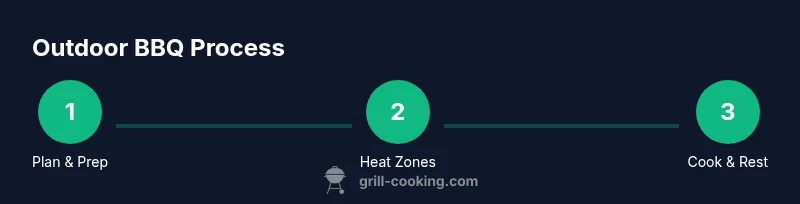
- Plan your menu and heat strategy before lighting.
- master two-zone heat to sear and finish evenly.
- Use a thermometer to ensure safe and juicy results.
- Maintain cleanliness to protect flavor and safety.
- Rest meat before serving for better texture.