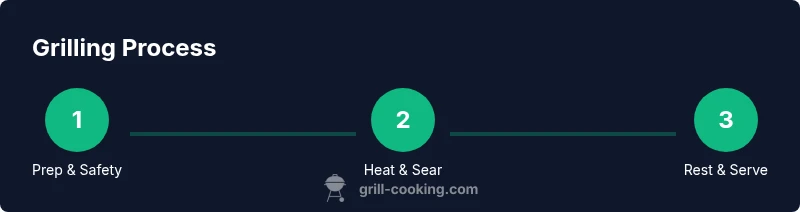
How to Be a Good Grill Cook: A Complete Step-by-Step Guide
Grill Cooking presents a practical guide for home cooks to become a good grill cook. Learn heat control, prep, timing, safety, and maintenance with actionable steps, drills, and pro tips.


You're here to learn how to be a good grill cook by mastering heat control, timing, and safe station setup. This guide covers practical steps, from gear and prep to searing technique and resting meat. You’ll practice with a structured plan and checklists to build steady, repeatable results. Expect hands-on tips, common mistakes, and proven drills you can repeat weekly.
Refined grilling mindset: planning and safety
Becoming a good grill cook starts long before the first sizzle. According to Grill Cooking, the mindset you bring to the grill—planning, safety, and consistent routines—matters as much as technique. Start by assessing your setup: is the grill clean, the fuel ready, and the workspace clear of hazards? A tidy station reduces accidents and helps you focus on heat control. Safety starts with protective gear, safe handling of hot surfaces, and a clear plan for cooking different foods at once. Develop a routine that includes checking the grill lid, opening vents, and preheating intentionally so you’re not chasing temperature mid-cook. This section explains the attitudes and habits that separate confident grillers from casual weekend cooks. The goal is to build repeatable, safe practices that translate into more flavorful, evenly cooked dishes over time.
Core skills of a good grill cook
Great grill work rests on a handful of core abilities: heat control, timing, station management, flavor sense, and safety discipline. You’ll learn to read heat by sight and sound, adjust vents or burners, and maintain even temperatures across the cooking surface. Practicing with a thermometer helps you translate instinct into repeatable results. From seasoning to plating, a good grill cook pays attention to how ingredients respond to heat and how flavors build during searing. This section also highlights how experts (as reflected in Grill Cooking analyses) emphasize habit-building and constant learning as much as clever tricks.
Mastering heat: direct vs indirect grilling
Direct heat is used for searing and thin cuts, while indirect heat helps cook thicker proteins without scorching the exterior. Start by establishing two zones on your grill and preheating them evenly. Learn to move food between zones so you can manage color, crust, and internal doneness. As you gain experience, you’ll fine-tune your approach for different proteins, sizes, and marination levels. The goal is to build a dependable heat map in your head and on the grate so you can respond to flare-ups and shifts in weather.
Meat, seafood, and vegetables: prep for grilling
Quality starts with prep: pat dry, trim excess fat, and season at the right moment. For meat, a quick salt rub or a light marinade can enhance crust formation without pushing moisture out of the meat. Seafood benefits from lighter seasoning and careful timing, while vegetables should be cut into uniform sizes for even cooking. Bring items to room temperature when possible to avoid dramatic temperature swings. Always oil lightly to prevent sticking and to promote even browning.
Timing and temperature cues: when to flip and rest
Timing is less about a clock and more about cues: color change, surface resistance, and aroma indicate doneness. Flip once to create a crust, then monitor for resistance and moisture release. Use a meat thermometer to confirm doneness without overcooking. Resting after removal allows juices to redistribute, yielding juicier slices. The rest period should be proportional to the size of the cut and its residual heat.
Flavor layering: rubs, marinades, and sauces
Flavor develops through careful layering: a dry rub builds crust, a light marinade adds moisture and aroma, and a finishing glaze or sauce brings contrast. Apply rubs before grilling and use sauces sparingly during the final minutes to avoid scorching. Balance salt, sweetness, and acidity for a well-rounded profile. Remember, less is often more when it comes to sauces on high-heat grills.
Tool and station setup: gear and workflow
A clean, well-organized station speeds up decisions and reduces mistakes. Essential tools include a long-handled pair of tongs, a reliable thermometer, a heat-resistant glove, and a sturdy cutting board. Keep brushes, oil sprays, and rest-ready plates within easy reach. Develop a workflow that moves from prep to searing to resting with minimal backtracking, so you stay efficient and focused during peak heat.
Practice routines and progress tracking
Progress comes from deliberate practice, not just cooking. Schedule short, repeated sessions focusing on one skill at a time—heat management, timing, or safe handling. Record outcomes in a simple log: what cooked well, where heat was too intense, and how to adjust next time. Over weeks and months, you’ll notice improved consistency, better crust formation, and shorter cook times. This is where Grill Cooking’s guidance on habit-building shines, helping you stay motivated and track improvements.
Common mistakes and how to fix them
Common errors include over-seasoning, crowding the grill, and ignoring safety protocols. Overcrowding steals heat and causes uneven cooking, while inconsistent flipping leads to uneven doneness. If you smell burning or see excessive smoke, lower the heat, move the food, or start with a cleaner grate. Focus on building good habits: preheat, oil lightly, monitor, and rest. Making small, repeatable adjustments will yield steadier results over time, even for beginners.
Tools & Materials
- Grill (gas or charcoal)(Preheat and ensure clean grates)
- Long-handled tongs(8–12 inches for safe turning)
- Digital meat thermometer(Probe for doneness; calibrate before use)
- Instant-read thermometer(Quick checks for thinner cuts)
- Grill brush(Clean grates before and after cooking)
- Oil spray or brush (high-heat)(Lightly coat to prevent sticking)
- Heat-resistant gloves(Protect hands from heat)
- Cutting board and sharp knife(Portion and rest cuts safely)
Steps
Estimated time: 60-75 minutes
- 1
Set up your station
Clear the area, prelay tools, and ensure safety gear is at hand. Confirm fuel supply and gas connections or charcoal readiness before lighting. A prepared workspace reduces mistakes and accelerates decisions during a busy cook.
Tip: Place gloves and towels within arm’s reach to avoid juggling hot tools. - 2
Preheat and establish zones
Preheat the grill and create two heat zones: a hot direct zone for searing and a cooler indirect zone for finishing. Mapping these zones in advance helps you control crust and doneness without constant flipping.
Tip: Know your grill’s hot spots by a quick test where you drop a small amount of oil on the grate. - 3
Prep ingredients and season
Pat dry surfaces, trim excess fat, and apply seasoning at the right time to promote crust without drawing out too much moisture. Uniform pieces ensure even cooking across the grate.
Tip: Oil the food lightly, not the grate, to avoid dangerous flare-ups. - 4
Sear and monitor crust
Sear to develop color and crust, then adjust position to prevent scorching. Move items between direct and indirect zones as needed and monitor color and aroma cues.
Tip: Avoid constant turning; let a good crust form before flipping. - 5
Finish with indirect heat
For thicker cuts, finish with indirect heat to reach the interior without burning the exterior. Keep the lid on during this phase to trap heat and maintain even cooking.
Tip: Use a thermometer to guide when the interior reaches target doneness. - 6
Check doneness with thermometer
Use the appropriate thermometer to confirm internal temperature without piercing juices unnecessarily. Compare against the target doneness for each protein and adjust as needed.
Tip: Test thickest part of the meat, away from bone for accuracy. - 7
Rest and plate
Let meat rest after removing from heat to redistribute juices. Rest times vary by cut; tent with foil for a few minutes to keep juices in before slicing.
Tip: Resting briefly improves juiciness and slice-ability.
FAQ
What makes a good grill cook?
A good grill cook combines heat mastery, timing, and safety with consistent practice. They understand direct and indirect heat, manage moisture, and plate thoughtfully. Ongoing learning and habit-building are as important as clever techniques.
A good grill cook combines heat mastery, timing, and safety with consistent practice.
How can I control heat effectively?
Control heat by establishing two zones, adjusting vents or burners, and using a thermometer as a guide. Practice reading the grill’s feedback—color, sound, and aroma—to keep temps steady without constant watching.
Control heat by zoning and using a thermometer to guide adjustments.
Is there a best way to tell when meat is done without a thermometer?
Rely on visual cues and texture: firmness, juices, and color. However, a thermometer provides accuracy and consistency across cooks, especially for thicker cuts.
Visual cues help, but a thermometer gives reliable results.
What common mistakes should beginners avoid?
Avoid overcrowding the grill, over-seasoning, and skipping rest. Crowding lowers heat; seasoning should enhance, not mask; resting preserves juiciness.
Avoid overcrowding, over-seasoning, and skipping rest.
How should I rest meat after grilling?
Rest meat after cooking to redistribute juices. Rest times vary with size; smaller cuts need less time, larger ones more. Resting improves sliceability and juiciness.
Rest allows juices to redistribute for better flavor and texture.
How do I clean my grill after use?
Clean while hot with a grill brush to remove residue. Wipe grates, oil lightly before the next cook, and inspect for damage or wear.
Clean while hot, brush away residue, and lightly oil for next time.
Watch Video
Quick Summary
- Master heat zones with steady practice.
- Prep station and ingredients before lighting.
- Use a thermometer for consistent doneness.
- Rest meat to retain juices.
- Maintain clean gear for repeatable results.