How to Grill Without Aluminum Foil: Foil-Free Grilling Guide
Learn foil-free grilling techniques to cook juicy proteins and vibrant vegetables without aluminum foil. Master indirect heat, two-zone setups, and cookware substitutes for tasty, safer backyard cooks.


You can grill without aluminum foil by planning your setup, using indirect heat, oiling grates, and using foil-free cookware. Prep a foil-free workspace: clean grates, preheat, and choose sturdy cookware like grill baskets or pans. Use zone grilling, monitor temps, and rest meat. This minimizes flare-ups and preserves flavor for vegetables and protein.
How to Grill Without Aluminum Foil
Grill Cooking's team emphasizes foil-free grilling as a way to build flavor and reduce waste. According to Grill Cooking, foil-free grilling starts with careful planning and heat management. Begin by selecting two distinct heat zones on your grill: a hot searing area and a cooler finishing area. Use sturdy, heat-safe cookware such as perforated grill baskets, cast-iron griddles, or a heavy-duty pan to support proteins, vegetables, and fruit without relying on foil. Preheat the grill thoroughly so the grates sear cleanly, not torn by sticking residues. A clean, well-oiled surface minimizes sticking and helps heat circulate evenly. When loading food, avoid crowding; air and heat need space to move. For lightly marinated items, pat dry before cooking to prevent steaming. The aim is to maximize direct contact where possible, then finish with indirect heat under a lid. Always monitor internal temperatures with a probe and rest meats to redistribute juices, all without foil. This foil-free approach can deliver robust flavors and crisp textures while reducing waste.
Indirect Heat and Two-Zone Grilling
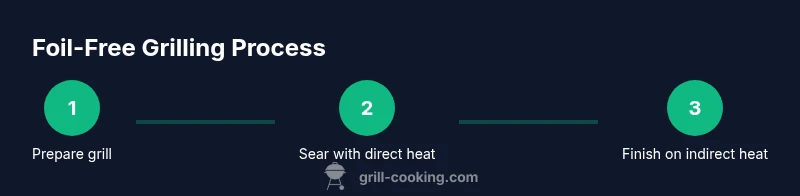
Indirection is your friend when you grill without foil. Set up two zones: a high-heat sear zone and a lower-heat zone for finishing. Start items on the hot zone to brown and seal surface moisture, then move them to the cooler area to finish cooking with the lid on. Use a cast-iron skillet or perforated basket to control direct contact and prevent delicate foods from falling through grates. Keep the lid closed during the finishing stage to trap heat and maintain a steady cooking pace. Regularly rotate foods for even exposure and check temps with a reliable thermometer. By managing heat this way, you can imitate the effects of foil without losing moisture or flavor.
Foil-Free Cookware and Setups
Without foil, your grill becomes a versatile oven-on-a-grill. Equip your toolkit with a few key pieces: a perforated grill basket for small items, a cast-iron grill pan for searing and even heat distribution, and a sturdy, heat-resistant tongs set. A two-zone setup enables you to sear over direct heat and finish with indirect heat under the lid. For delicate items like fish or fragile vegetables, consider a wide-mesh basket to prevent breakage. Cedar planks can add smoky notes when placed on indirect heat, but avoid direct flame that could ignite the plank. Oil the cookware lightly and use high-smoke-point oil to prevent sticking. With the right gear, you can replicate many foil-based results while keeping flavors bold and textures intact.
Food Prep, Marinades, and Flavor Without Foil
Marinades add flavor, but acidic components can sometimes overpower the surface when used in foil-free methods. Pat foods dry after marinating to encourage browning and caramelization. Lightly oil the surface of proteins or vegetables to promote a crisp exterior without causing flare-ups. For vegetables, uniform sizes ensure even cooking; start with thicker cuts and finish with the lid closed to retain moisture. Proteins benefit from a quick, high-heat sear followed by finishing on the cooler zone to reach safe internal temperatures. Avoid acidic marinades during direct contact with the hottest surface; instead, apply marinades toward the end or during resting to preserve the crust.
Troubleshooting Foil-Free Grilling
Foil-free grilling can lead to occasional sticking, flare-ups, or uneven doneness if not managed carefully. Prevention starts with a clean, well-oiled grate and proper preheating. Maintain two heat zones and avoid crowding to prevent temperature drops that cause sticking. If flare-ups occur, briefly move food to the cooler zone and use a spray bottle with water for quick control. For delicate proteins, use a grill basket or cast-iron pan to minimize direct contact with flames. If texture is drying out, adjust cook times or rest periods rather than overcooking. With practice, foil-free grilling becomes a reliable method for flavorful, evenly cooked meals.
Tools & Materials
- Grill basket(Perforated or wide-mesh for small items and vegetables)
- Cast-iron grill pan(Preheat thoroughly for even searing)
- High-heat cooking oil spray or bottle(Lightly oil grates or pans to prevent sticking)
- Two-zone grill setup (hot and cool zones)(Essential for foil-free indirect cooking)
- Long-handled tongs and heat-resistant gloves(Safety when handling hot grates)
- Food thermometer(Accurate internal temps for safety)
- Wood planks or cedar plank (optional)(Adds smoky flavor without foil)
Steps
Estimated time: 45-60 minutes
- 1
Set up two-zone grill
Preheat the grill and establish a hot sear zone plus a cooler finishing zone. This gives you control similar to foil-based cooking while preserving surface texture.
Tip: Preheat at least 10-15 minutes for reliable searing and even heat distribution. - 2
Oil the grates or cookware
Lightly oil the grates or your chosen pan to minimize sticking, especially for delicate proteins and vegetables.
Tip: Use a high-heat oil spray or a neutral oil with a high smoke point. - 3
Sear on direct heat
Place foods on the hot zone to develop a crust before flipping. Avoid overcrowding to keep temps steady.
Tip: Flip only once or twice to maintain a crust and avoid tearing food. - 4
Finish with indirect heat
Move items to the cooler zone and close the lid to finish cooking gently without burning.
Tip: Use a thermometer to target safe internal temps and protect moisture. - 5
Vent and monitor
Keep vents open enough to maintain airflow. Check food periodically and rotate for even cooking.
Tip: Use a probe in thicker cuts to prevent under- or overcooking. - 6
Rest and serve
Let meats rest 5-10 minutes after cooking to redistribute juices. This step is crucial for flavor and juiciness.
Tip: Tent with foil-free cover or a clean plate to retain warmth without trapping steam. - 7
Handle vegetables and seafood
For vegetables and delicate seafood, use a basket or pan to prevent breakage and ensure even browning.
Tip: Cut vegetables to uniform sizes for consistent results. - 8
Clean up and re-oil
While the grill is hot, brush off debris and reapply a light coat of oil to prep for next cookout.
Tip: Clean grates after cooling to avoid corrosion and buildup.
FAQ
What are the main benefits of foil-free grilling?
Foil-free grilling often yields better browning, crisper textures, and less waste. It can also reduce flare-ups by avoiding trapped juices under foil. With proper heat management and cookware, you can achieve juicy center and bold flavors.
Foil-free grilling gives you better browning and less waste, with good heat control and proper cookware for juicy, flavorful results.
Can I grill delicate foods without foil?
Yes. Use a grill basket or cast-iron pan to protect delicate items like fish or small vegetables. Keep heat controlled and rely on indirect heat to finish cooking without burning.
Yes. Use a basket or pan to protect delicate foods, and finish with indirect heat to avoid burning.
Will foil-free grilling cause more sticking or flare-ups?
Sticking can occur if grates aren’t clean or oiled; flare-ups are manageable with two-zone grilling and timely movement to the cooler zone. Keep a spray bottle of water handy and avoid high-fat drippings that ignite.
Sticking and flare-ups can happen, but you can prevent them with clean grates, oil, and two-zone grilling.
Is foil-free grilling suitable for all foods?
Most vegetables, seafood, and many cuts of meat work well foil-free. Very thin slices and very delicate items may benefit from pans or baskets to maintain shape and prevent loss through grates.
Most vegetables and seafood do well foil-free, but very delicate items may need baskets or pans.
Can I add moisture without using foil?
Yes. You can baste during the cook with a brush or mop and keep the lid closed to trap moisture. Pat foods dry before seasoning to promote browning rather than steaming.
Baste during cooking and keep the lid on to trap moisture, and pat dry before seasoning.
What heat source works best for foil-free grilling?
Charcoal or gas grills both work well for foil-free grilling. The key is to establish two zones and control air movement to maintain steady temperatures.
Both charcoal and gas are fine; just ensure you have two heat zones and good airflow.
Watch Video
Quick Summary
- Set up two-zone heat before grilling.
- Use foil-free cookware like grill baskets and pans.
- Monitor temps with a probe and rest meat post-cook.
- Avoid crowding and practice safe, steady heat.