How to Grill with Lump Charcoal for Flavorful, Even Cooking
Learn how to grill with lump charcoal for hotter, cleaner flavors, with a reliable two-zone setup, proper lighting, temperature control, and practical tips for perfect searing and indirect cooking.


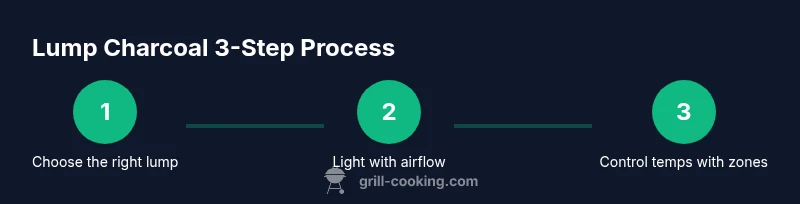
You will learn to grill with lump charcoal by building a reliable two-zone fire, lighting it safely, and maintaining temperature with smart vent control. You’ll choose the right lump, sear over direct heat, finish with indirect heat, and manage airflow for consistent results. This guide covers setup, cooking technique, and safety.
Why Lump Charcoal Elevates Flavor and Control
For home cooks who aim for bold, clean smoke flavor and precise heat, lump charcoal is often the preferred fuel. Unlike uniform briquettes, lump charcoal consists of natural hardwood chunks that burn hotter and faster, with less steady heat. This can yield excellent sear marks and the ability to fluctuate temperatures quickly, which is especially helpful when you’re trying to go from high-heat searing to gentle indirect cooking. The Grill Cooking team notes that lump charcoal’s irregular shape increases surface area and airflow, contributing to a more responsive grill experience. When chosen well, lump charcoal also generates less ash per pound, helping you maintain airflow and steady temperatures longer between refuels. Balance, however, comes from good technique and a two-zone setup that lets you sear with direct heat and finish with indirect heat as needed.
Choosing Lump Charcoal: Quality, Size, and Storage
Quality matters with lump charcoal. Look for uniform, irregular chunks that aren’t fully pulverized and avoid bags that are heavy with fine dust. A moderate mix of small and medium pieces will light evenly and provide better airflow than oversized chunks. If you’re new to lump charcoal, start with a brand that lists hardwood species on the bag and has minimal additives. Store bags in a dry, ventilated area to prevent moisture absorption, which can impede lighting and create uneven burning. For best results, keep an extra bag or two on hand so you can adjust for weather, food load, and desired cooking temperatures.
Lighting Lump Charcoal Safely: No Lighter Fluids, Quick, Even Ignition
Lighting lump charcoal without lighter fluid starts with a clean grill and a proper starter method. A chimney starter provides reliable ignition and consistent heat without chemical flavors. Fill the starter halfway or two-thirds full, place it on a heatproof surface, andignite from the bottom. When the coals are coated in light gray ash and have a steady glow, dump them into the grill. Spreading hot coals evenly helps you establish a strong direct zone for searing and a cooler indirect zone for finishing the cook. If you don’t use a chimney starter, you can use natural fire starters or a small stack of kindling at the bottom of the grate, but avoid chemical accelerants that can impart off flavors.
Building a Two-Zone Fire: Direct Heat for Sear, Indirect for Finish
A two-zone fire gives you the best of both worlds: intense sear and controlled finish. Push hot coals to one side to create a dedicated direct-heat zone, and keep the other side clear for indirect cooking. A well-planned divide helps you move food quickly from scorching heat to gentler warmth without chasing flames. Use a grate placement that creates a visible charcoal boundary, and consider placing a drip pan on the indirect side to catch fat and reduce flare-ups. This setup is especially useful for thicker cuts and items that benefit from even, low-and-slow cooking.
Temperature Control: Airflow, Vents, and Cast Iron Grates
Charcoal grilling thrives on airflow. Open the vents widely for high heat and close them slightly for gentle cooking, then adjust with the lid—keeping it cracked during initial lighting and fully closed while you’re cooking at a steady temperature. A clean grill and dry charcoal help maintain stable temps, and a good thermometer (either a grill grate or an infrared dial) provides quick feedback. If your grill has a thermal gap between the lid and body, place a wind guard or use a two-layer setup to prevent heat loss on windy days.
Direct-Heat Searing: Achieving a Great Crust on Meats and Vegetables
Direct heat is ideal for searing steaks, burgers, chops, and vegetables. Position your food directly over the hottest area for a short window to develop a crust. Keep tips of the tongs on the food, not in the flames, to prevent flare-ups. Pat food dry before grilling to promote Maillard reactions, and avoid overcrowding the grate to preserve direct heat. A quick 1-2 minute sear per side on high heat followed by a move to the indirect zone yields juicy interiors and a caramelized exterior.
Indirect Cooking: Finishing Thick Meats and Maintaining Juiciness
When you’re working with larger cuts or delicate foods, indirect cooking helps you reach the desired internal temperature without scorching the exterior. Transfer the meat away from the hottest area, cover with the lid, and monitor with a thermometer. Fold in resting time after cooking, as it completes carryover cooking and redistributes juices. If you’re cooking vegetables or smaller items, you can stay closer to the direct zone but use a foil shield or a drip pan to manage flare-ups and keep delicate items from burning.
Flavor-Tuning with Wood and Timing: Smart Wood Chunks and Smoke
Wood can amplify flavor in a controlled, complementary way. Add a small handful of hardwood chunks or chips at the edge of the coals to produce a subtle smoke, balancing smoke intensity with the food’s natural flavor. Soaking chips for 30 minutes prior to use isn’t always necessary with lump charcoal, but it can help if your grill runs very hot and you want a slower smoke. Timing is key: add wood early in the cook when you’re starting the indirect phase, rather than mid-sear when heat is at its peak. This approach yields a layered, approachable smoke profile rather than overpowering smoke flavors.
Maintenance and Cleanup: Keeping Your Grill Ready for Next Time
After cooking, close the vents to cool, but don’t seal completely until the grate is fully cooled. Remove ash and spent coals, and clean the grate with a stiff brush while it’s warm. Wipe down the interior surfaces and check for any residue that could ignite later. A well-maintained grill not only lasts longer but also produces more consistent temperatures and cleaner flavor. Keep a small metal ash pan handy to manage ash without creating a mess, and store tools in a dry, organized space for faster setup next time.
Troubleshooting and Common Issues: Wind, Moisture, and Uneven Burning
Wind and humidity can disrupt the best setups. If your grill runs too hot, check for opened vents or a draft that’s pulling air too aggressively; close them slightly and give the lid time to adjust. If heat is inconsistent, it could be a sign of uneven coal distribution or a low starter supply—refuel as needed and reseat coals to reestablish the two zones. For flare-ups, keep the lid closed, remove food temporarily, and let the flames subside before resuming cooking. Regularly cleaning and preheating helps prevent most issues.
Storing and Reusing Lump Charcoal: Best Practices
Store lump charcoal in a dry area and use it within its optimal life span for best performance. Avoid letting bags sit in damp basements or garages, which can cause moisture and lead to uneven burning. If you don’t use all the charcoal in a bag, keep the remainder sealed and away from moisture, and consider rotating stock to use older bags first. When reusing leftover coals, separate the hot ones and introduce new chunks gradually to maintain temperature without sudden shifts.
Tools & Materials
- lump charcoal(Choose irregular chunks; avoid fine dust.)
- charcoal chimney starter(For safe, chemical-free ignition.)
- long-handled tongs(6–12 inch minimum length.)
- heat-resistant gloves(Protect hands from 500°F+ heat.)
- grill brush(Clean grates before and after cooking.)
- instant-read thermometer(Monitor meat temps quickly.)
- starter cubes or natural fire-starters(Alternative ignition aids.)
- drip pan or aluminum foil(Mitigate flare-ups and catch drippings.)
- wind guard or heat shield(Helpful in windy conditions.)
- meat thermocouple probe (optional)(For precise internal temps.)
Steps
Estimated time: 60-90 minutes
- 1
Select and prep lump charcoal
Open the bag and inspect pieces for uniformity. Remove dust and small shards. If needed, lightly rinse and dry; otherwise keep dry. This helps ensure predictable ignition and even burning.
Tip: Choose a mix of small and medium pieces to promote airflow. - 2
Clean the grill and set up the zone
Remove old ash and debris. Decide on a two-zone layout: a dense pile of coals on one side (direct heat) and an empty side (indirect heat). A clear divider helps you move food between zones.
Tip: A clean grate improves sear marks and heat transfer. - 3
Light the charcoal safely
Fill a chimney starter about halfway to two-thirds full. Ignite from the bottom and let the coals burn until coated with light gray ash.
Tip: Avoid lighter fluids to prevent flavor contamination. - 4
Establish the two zones
Dump the hot coals on one side of the grill, creating a distinct hot area. Leave the other side cooler for indirect cooking. Place a drip pan on the indirect side if desired.
Tip: Spread coals evenly to create a stable hot zone. - 5
Preheat the grate and set vents
Place the grate back and close the lid to preheat. Open vents fully for high heat and adjust while cooking to maintain target temperatures.
Tip: Preheating ensures good sear and prevents sticking. - 6
Sear over direct heat
Position food directly above the hot zone to sear for a brief period, aiming for a browned crust without overcooking the interior.
Tip: Use tongs to flip once for even browning. - 7
Finish with indirect heat
Move food to the indirect side or close the vents to reduce temperature. Cook to the desired internal temperature with lid on.
Tip: Use a thermometer for accurate doneness. - 8
Rest and monitor
Remove from heat and let meat rest 5-10 minutes before slicing. Resting restores juices and improves texture.
Tip: Tent lightly with foil to retain heat. - 9
Clean after cooling
Once cooled, scrub grates, remove ash, and store charcoal in a dry place. Regular maintenance prevents unwanted flavors and ensures performance.
Tip: Keep a metal container to transport ashes safely.
FAQ
What is lump charcoal and how is it different from briquettes?
Lump charcoal consists of natural hardwood chunks and burns hotter with more airflow, while briquettes are uniform and often contain binders and additives. Lump can provide cleaner flavor and faster ignition, though it may burn unevenly if not managed. Briquettes burn longer and more consistently but may add a steadier smoke profile that some cooks don’t want.
Lump charcoal is natural hardwood chunks and burns hotter with more airflow; briquettes are uniform and can burn longer but might add different flavors.
Is lump charcoal better for searing than briquettes?
Many cooks prefer lump for high-heat searing because it reaches peak temps quickly and responds faster to vent adjustments. Briquettes tend to burn more steadily, which is helpful for longer cooks. Your choice depends on the dish and your grill setup.
Lump charges to heat faster for searing, briquettes burn longer and steadier; pick based on dish and setup.
How do I light lump charcoal safely?
Use a chimney starter or natural fire starters. Avoid lighter fluids that can leave odors or flavors. Let the coals ash over to a light gray before spreading them for even heating.
Light with a chimney starter until ashed over, never use lighter fluid.
Can I reuse lump charcoal ashes?
Cool ashes completely before disposal. Some people use charcoal ash as a soil amendment in gardens in small amounts. Otherwise, dispose of ashes in a metal container away from combustibles.
Cool ashes first; some gardeners use charcoal ash sparingly, otherwise dispose safely.
What is two-zone cooking and why use it?
Two-zone cooking provides a hot direct zone for searing and a cooler indirect zone for finishing. This helps prevent overcooking and flare-ups while still achieving a crusty exterior.
Two zones give you a hot sear area and a cooler finish area for better control.
Watch Video
Quick Summary
- Master a reliable two-zone setup for direct and indirect cooking
- Light lump charcoal safely and operate vents for precise temps
- Sear with direct heat, finish with indirect heat for juicier results
- Maintain grill cleanliness for consistent performance
- Use wood for subtle flavor without overpowering the meat