How Grilling Is Done: A Step-by-Step Guide
Learn how grilling is done—from fuel choices and heat zones to searing, resting, and safety. A complete, practical guide for home cooks and grill enthusiasts.


By the end of this guide, you will understand how grilling is done—from choosing fuel and heat zones to searing, resting, and safe cleanup. You’ll learn practical steps, timing, and flavor-building tips to grill poultry, beef, seafood, and vegetables confidently at home. Whether you’re new to grilling or refining technique, this article covers fuel choices, temperature control, direct vs indirect heat, and finishing touches.
How Grilling Works: Heat, Flavor, and Maillard Reactions
According to Grill Cooking, grilling relies on direct radiant heat from flames or hot grates, complemented by a touch of convection from the surrounding air. The goal is to transfer heat quickly to the surface of the food, creating a desirable char and aromas through the Maillard reaction. This browning process not only adds color but also unlocks rich flavors as sugars and amino acids react at high temperatures. In practical terms, you’ll see distinct grill marks, a crisp exterior, and a juicy interior when heat and time are balanced. The grill environment—the flame type, venting, and the amount of fat drippings that flare up—also influences flavor and texture. By understanding heat flow and browning, you gain control over texture (crisp vs tender) and depth of flavor across proteins and vegetables.
Fuel Essentials: Charcoal, Gas, and Hybrid Options
Choosing your fuel dramatically shapes flavor, heat profile, and cooking speed. Charcoal imparts a smoky complexity, especially when using hardwood chunks or chips, but it requires more time for ignition and temperature control. Gas grills offer quick, consistent heat with precise knobs and familiar setups, making weeknight grilling easier. Hybrid setups, combining charcoal and gas, give you the best of both worlds: rapid preheat with the option to add smoky notes when desired. For beginners, a gas grill with a simple sear option can be a reliable starting point, while charcoal is ideal for flavor purists and longer cooks. Regardless of choice, learning how to manage heat and airflow remains the key skill.
Direct Heat vs Indirect Heat: When to Use Each
Direct heat means cooking food over the flame or hot grate, ideal for searing steaks, burgers, chops, and smaller items that cook quickly. Indirect heat places food away from the flame, letting heat circulate around it—perfect for bone-in roasts, whole chickens, and larger cuts that require longer cook times. A two-zone setup—one hot zone for searing and a cooler zone for finishing—lets you control doneness without burning surfaces. When in doubt, start with direct heat to develop a crust, then move to indirect heat to reach the target internal temperature with less risk of flare-ups.
Prepping Your Grill and the Food
A clean grill heats more efficiently and prevents sticking. Begin by preheating the grill with the lid open for 5–10 minutes to burn off residue and then oil the grates lightly. Dry surface moisture on meat helps achieve better browning, so pat meat dry and apply a thin coat of oil to promote even searing. Seasonings work best when they have a moment to adhere—simple salt and pepper can be enough, or you can use prepared marinades and rubs. Remember to bring your proteins to near room temperature before cooking to promote even heat transfer, while keeping safe practices for handling raw meat.
Temperature Control and Monitoring
Grilling is as much about temperature as it is about timing. For charcoal, manage air flow with the vents to rise or lower the fire, and use a grill thermometer to gauge surface temperature. For gas grills, use the built-in thermometer and adjust each burner to create distinct heat zones. A digital meat thermometer is essential for accuracy, especially with thicker cuts. Keep a water spray bottle handy to tame flare-ups, but use it sparingly to avoid steaming the meat and washing away surface browning.
Zone Cooking: Building Multi-Temperature Surfaces
The core technique behind consistent results is zone cooking: a hot zone for searing and a cooler zone for finishing. On a charcoal grill, bank charcoal to one side to create a dense hot zone and a cooler area on the opposite side. On a gas grill, turn on the burners for heat and leave a section off to create your indirect zone. This approach helps you seal juices and create a crust without overcooking the interior. It’s especially helpful for larger items like bone-in chicken or bone-in pork while still delivering a crisp exterior.
Techniques for Common Foods: Beef, Poultry, Seafood, and Veggies
Beef: Sear over high heat to develop crust, then finish with indirect heat until the internal temperature reaches your target level. Poultry: Start with a hot surface to crisp the skin, then move to indirect heat to ensure thorough cooking without scorching. Seafood cooks quickly and benefits from high heat and brief times on the grill; monitor closely to avoid drying out. Vegetables should be coated lightly with oil and seasoned; direct heat helps caramelize sugars and enhance texture. Across all foods, resting after cooking helps redistribute juices and finish flavor development.
Safety and Maintenance on the Grill
Safety starts with proper setup: keep combustible materials away from the grill, use long-handled tools, and wear heat-resistant gloves. Flare-ups can char surfaces; manage them with a spray bottle, move meat away from flames, and close vents to reduce oxygen. After cooking, wait for the grill to cool before cleaning. Remove ash and grease to prevent buildup, which can cause uneven heating or fires. Regular maintenance, including checking hoses and connections on gas grills and inspecting grates for warping, extends grill life and reliability.
Flavor Development: Finishing, Resting, and Serving
Flavor peaks after heat, not during. Let grilled foods rest briefly after removal from the grill to let juices redistribute; slicing too early often results in a drier piece. Finishing touches—light salt, a dab of butter, a squeeze of citrus, or a glaze—can elevate flavor without overpowering the natural character of the meat or vegetables. For a crisp crust, wipe the grates lightly between batches to maintain consistent contact. Pair grilled items with fresh herbs, citrus, or a simple homemade sauce to bring balance to the dish.
Tools & Materials
- Grill (charcoal or gas)(The primary cooking appliance.)
- Tongs(Long-handled, sturdy stainless steel.)
- Meat thermometer(Essential for doneness without guesswork.)
- Heat-resistant gloves(Protect hands during high-heat operations.)
- Chimney starter or ignition tool(Safely ignite charcoal and establish heat.)
- Oil for grates(Lightly oil to prevent sticking.)
- Brush for grill grate cleaning(Clean grates before and after cooking.)
- Fuel source (charcoal or propane)(Select based on grill type and recipe.)
Steps
Estimated time: 40-60 minutes
- 1
Choose fuel and ignite
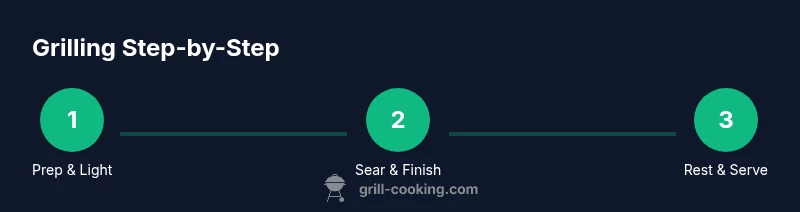
Select your fuel type (charcoal or propane) and ignite it using the appropriate tool. The goal is to establish a stable heat source and a dedicated hot zone for searing. Ensure vents or regulators are adjusted to control flame intensity and airflow.
Tip: Keep a safe distance when lighting and have a fire extinguisher nearby. - 2
Preheat and establish heat zones
Preheat the grill with the lid open for 5–10 minutes to clean the grates and reach target surface temperatures. Create a hot zone for searing and a cooler zone for finishing by adjusting the fuel on one side or turning off some burners.
Tip: Test heat with a small piece of bread or thin meat to gauge zone temperatures without risking larger cuts. - 3
Prepare food for cooking
Pat foods dry, lightly oil the surface, and season or marinate as desired. Dry surfaces promote browning; light oil helps prevent sticking. Keep proteins refrigerated until you’re ready to cook for safety.
Tip: Apply salt just before cooking for best flavor and crust formation. - 4
Sear on the hot zone
Place items on the hot zone to sear, developing crusts and grill marks. Don’t move the food during the first 1–2 minutes to allow proper contact and browning. Use tongs to flip once a crust forms.
Tip: Use a light touch when turning to avoid tearing meat. - 5
Finish with indirect heat
Move the food to the cooler zone to finish cooking through without burning the exterior. Use the meat thermometer to monitor internal temperature and remove when near target.
Tip: Close the lid to trap heat for even finishing. - 6
Check temperature and rest
Check the final internal temperature and remove from heat just shy of the target; carryover heat will finish the job. Rest foods for 5–10 minutes to redistribute juices and improve tenderness.
Tip: Rest partially covered with foil to retain moisture. - 7
Clean and inspect
While the grill is warm, brush the grates to remove residue and reduce sticking for the next cook. After cooling, inspect hoses, valves, and burners for signs of wear or damage.
Tip: Regular cleaning prevents flare-ups and improves flavor. - 8
Serve and enjoy
Slice or portion as desired, add finishing touches, and serve with complementary sides. Keep safety in mind when handling hot foods and cutting boards.
Tip: Consider a simple herb butter or citrus garnish to elevate flavor.
FAQ
What is the difference between direct heat and indirect heat when grilling?
Direct heat cooks food quickly over the flame or hot grate, creating a crust. Indirect heat cooks with ambient heat and is ideal for larger cuts that need time to reach the proper internal temperature. Use direct heat for searing and indirect heat for finishing.
Direct heat is for fast searing, indirect heat is for finishing larger pieces without burning the surface.
How do I set up a two-zone grill?
Create a hot zone by piling fuel on one side (or turning on a subset of burners) and leave the other side cooler. Place food over the hot zone to sear, then move it to the cooler area to finish cooking.
Set up a hot zone for searing and a cool zone for finishing, then transfer as needed.
How can I prevent sticking and get perfect grill marks?
Start with clean and oiled grates, pat meat dry, and avoid moving food too soon. A brief sear will help create grill marks before flipping.
Keep the grates clean and lightly oiled, and let the meat sear before turning.
What safety tips help prevent fires on the grill?
Keep a spray bottle for flare-ups, maintain distance between fat and flames, and never leave the grill unattended. Have water or a fire extinguisher nearby for emergencies.
Watch for flare-ups, manage airflow, and never leave the grill unattended.
Can I grill vegetables and seafood effectively?
Yes. Lightly coat with oil to promote browning and use moderate heat. Seafood cooks quickly, so watch closely to avoid overcooking; vegetables benefit from turning for even color.
Grill vegetables and seafood with a light coating of oil and keep a close eye on cooking times.
Do I need a thermometer for grilling every time?
A thermometer helps ensure accuracy and safety, especially for poultry and larger cuts. It’s a reliable tool that improves consistency across cooks and recipes.
A thermometer helps you hit precise doneness and keep foods safe.
Watch Video
Quick Summary
- Plan heat zones before cooking.
- Preheat grates to promote browning and reduce sticking.
- Use a thermometer for accurate doneness.
- Rest meat after cooking to improve juiciness.