Grilling in Wind: Can You Grill When It's Windy? A Guide
Learn whether you can grill in windy conditions and how to adapt fuel, heat, and safety. This Grill Cooking guide covers wind-proof setups, gear tips, and practical techniques.


Yes—you can grill when it's windy, but you must adjust heat, airflow, and safety. Wind shifts flames, cools or heats unevenly, and can spread flare-ups. With proper setup and timing, you can maintain steady temps, protect coals or burners, and finish safely. According to Grill Cooking, wind-aware grilling means choosing the right windbreaks, placing the grill with shelter from gusts, and using indirect heat when needed.
Can you grill when it's windy? Understanding wind and heat dynamics
Wind dramatically influences heat transfer and flame behavior. In windy conditions, air flow can either fan flames aggressively or cool the surface, leading to uneven cooking. The key is recognizing how wind shifts the grill's hot zones and planning accordingly. According to Grill Cooking, wind-aware grilling begins with understanding that heat is not a fixed property—it travels with airflow. This means placement, wind breaks, and heat management choices become as important as the fuel itself. In practical terms, you’ll often need to switch between direct and indirect heat, shield the grill from gusts, and be prepared to adjust cooking times. The goal is to create a stable micro-environment where heat circulates predictably rather than in erratic bursts that throw off doneness and moisture balance. By framing your wind plan before you light the grill, you set yourself up for safer, tastier results, even when the weather isn’t cooperative.
Wind impact on different fuel types
Fuel type matters when wind is present. Charcoal relies on steady airflow to maintain a predictable burn; gusts can push embers and create hot spots or uneven cooking. Gas grills are less influenced by air currents than charcoal, but wind can still affect burner efficiency and flame lift-off. In windy weather, you may need to adjust vent openings or burner settings more frequently to keep temperatures in range. Regardless of fuel, expect the wind to demand more frequent monitoring and adaptive techniques. Grill Cooking emphasizes planning for wind by selecting a sheltered location, using windbreaks, and prioritizing indirect heat during gusts to keep temps even while you finish searing or browning. Carry a thermometer and tongs to manage heat precisely and avoid flare-ups.
Positioning and shelter: creating a wind-stable cooking zone
Placement matters as much as equipment. Start by locating the grill away from direct gusts, sides of buildings, and trees that channel wind. Use a windbreak like panels or a portable screen positioned downwind to redirect airflow away from the grill face while not obstructing smoke from reaching the dining area. Elevate and angle wind barriers to optimize airflow, ensuring you still have visibility to the cooking surface. A stable stance and a non-slip surface reduce the risk that gusts push the grill or topple tools. Remember that even a strong gust can change heat distribution in seconds, so maintain an attentive, hands-on approach throughout cooking. For a safer session, test the setup with lighter vegetables or a small batch before committing your main proteins.
Wind-proofing gear and accessories that work
Equipment cues matter. A dedicated windscreen or shield can help, but it should be used judiciously to avoid trapping smoke or creating dangerous backdrafts. Heat-resistant gloves, long-handled tools, and a reliable thermometer become essential when wind is in play. If you’re cooking with charcoal, consider a two-stage approach: preheat with a shield, then move to indirect heat to finish. For gas grills, set burners to maintain even flames and rely on the built-in temperature gauge rather than chasing a perfect flame in gusty air. A spray bottle of water can calm small flare-ups, but never rely on it if the flame is large—have a fire extinguisher on hand as a safety precaution. Wind-aware cooking also means adjusting your plans if gusts intensify and creating a clear, unobstructed path for heat and smoke to move away from exposed areas.
Step-by-step wind-safe cooking techniques you can use repeatedly
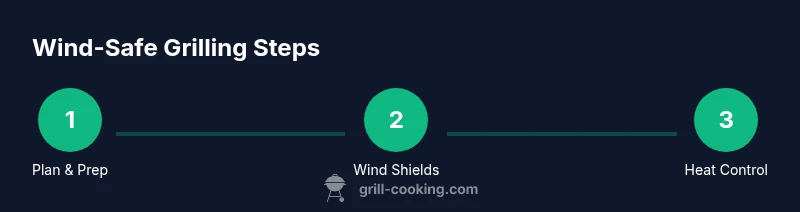
First, establish a sheltered work area and test heat with a small test item. Then, preheat the grill and set up indirect heat while positioning windbreaks. As you cook, monitor temperatures closely with a probe thermometer and adjust vents or burner levels as needed. Use direct heat only for quick sears when conditions permit, and finish with indirect heat to ensure even doneness. Throughout, maintain safe distances from flammable materials and keep children and pets away from the grill area. Finally, rest meats off the heat and use a carryover cook time to reach ideal doneness without overcooking. This approach minimizes wind-related fluctuations and yields consistently cooked meals.
Weather-savvy planning: forecasts, timing, and contingency plans
Wind isn’t just a gust—it’s a variable that changes heat equality across the grill. Check the forecast and avoid grilling during strong, sustained winds if possible. If you do cook outdoors, build a plan that includes backup shelter and a revised timeline: allow extra preheat time, anticipate longer cooking windows, and have a strategy to pause if gusts become unsafe. Communicate with guests about possible delays, and keep the grill area clear of dry debris. Grill Cooking suggests building a wind management routine into your regular grilling schedule so you’re prepared for seasonal shifts and daily fluctuations. The idea is to treat wind as a factor you actively manage, not an excuse to abandon the grill.
Practical wind-proof grilling setup: a sample plan you can customize
Imagine a rectangular cooking zone with a windbreak on the downwind side and a clear space around the grill. Preheat, then set up for indirect heat using a shielded area. Start with lower heat and gradually increase, testing with a small piece of meat to verify stability. If gusts peak, switch to indirect heat and finish with a brief sear when the air calms. Keep your thermometer in the target zone and adjust accordingly. This modular setup, designed for windy days, can be adapted to most grills and kitchen spaces, helping you keep flavor and texture consistent despite weather.
Authority sources and safety reminders
Authorities and expert cooks emphasize wind safety and heat management. For more wind-related guidelines, you can consult NOAA’s wind information and food-safety resources from USDA FSIS. University extension programs, such as Penn State Extension and University of Minnesota Extension, offer practical tips on outdoor cooking safety and equipment use. Always keep a fire extinguisher within reach, practice safe ignition and control, and never grill near flammable structures or materials. By following these sources and Grill Cooking’s wind-aware approach, you’ll grill more confidently in windy weather.
Tools & Materials
- Windbreak panels or portable screen(Adjust height to shield flames while keeping smoke away from dining area)
- Heat-resistant gloves(ANSI-rated; protect hands during gusts and flare-ups)
- Long-handled tongs and spatula(At least 16 inches for safe reach)
- Digital thermometer or meat thermometer(Probe thermometer for accurate temps)
- Fire extinguisher or baking soda(Keep within arm's reach; know how to use)
- Stable prep table and non-slip mat(Prevents accidents when gusts hit)
Steps
Estimated time: 30-60 minutes
- 1
Check forecast and prep area
Review the wind forecast and inspect your cooking area for hazards. Clear dry leaves and debris that could ignite from gusts. Confirm you have a clear escape path if you need to move quickly to control the grill.
Tip: If gusts look unpredictable, consider postponing or relocating indoors alternative options. - 2
Position grill in sheltered spot
Set the grill where it’s shielded from direct gusts, ideally with a wall or natural barrier behind it. Ensure there’s ample clearance from walls, railings, and overhangs. Align so smoke and heat aren’t blowing toward seating areas.
Tip: Use a portable windbreak on the downwind side to stabilize heat without trapping smoke. - 3
Set up windbreaks properly
Place windbreak panels so they deflect gusts away from the grill face but don’t create backdrafts toward you. Test airflow by lighting a small flame or using a smoke source to observe direction. Adjust height and angles as needed.
Tip: Aim for partial containment; too much shielding can cause dangerous heat buildup. - 4
Preheat and stabilize heat
Preheat the grill with the windbreak in place and monitor temperature stability. If your grill has vents, start with mid-range openings and adjust gradually as heat builds. Confirm the grill is steady before placing food.
Tip: Have a thermometer in place to track target temps from the start. - 5
Adjust vents or burners for wind
Tweak air intake or burner settings to compensate for wind-driven heat changes. Avoid rapid, large changes that can stress the grill or cause flare-ups. Keep a calm, steady hand as gusts blow.
Tip: Small, incremental adjustments are safer and more effective than big swings. - 6
Use indirect heat for windy periods
When gusts are strong, move food to indirect heat and cover or shield the grill to reduce direct flame exposure. This helps cook through without scorching. Reserve direct sear for calmer moments.
Tip: Direct-sear only when the surface is steady and heat is controlled. - 7
Monitor temps with a probe thermometer
Keep a reliable thermometer inserted into the food and, if possible, monitor grill surface temps. Wind can create hot spots, so verify doneness with internal temperatures rather than relying on time alone.
Tip: Check two spots on larger cuts to ensure even cooking. - 8
Manage flare-ups safely
Gusts can intensify flare-ups. Keep a safe distance, have a spray bottle ready (if used safely), and never spray water directly on a grease fire. Use a controlled back-purn or remove food from heat if flames rise.
Tip: If a flare-up persists, move food to indirect heat and contain flames with protective gear. - 9
Finish with indirect heat to rest
When you’ve achieved a good sear, finish cooking with indirect heat to ensure the interior is done without further charring. Let the meat rest off the heat to redistribute juices. Keep monitoring until target doneness is reached.
Tip: Give meats time to rest; carryover cooking continues after you remove from heat. - 10
Pause if conditions worsen
If gusts become unpredictable or spray and embers threaten safety, pause cooking, relocate, or move to indoor options if possible. Prioritize safety over finishing a recipe.
Tip: Always have a contingency plan and a clear exit path. - 11
Clean and inspect after grilling
After cooling, clean grills and vents to remove ash buildup that wind may drive into crevices. Check guards and windbreaks for damage and secure any loose panels. Store equipment safely away from the elements.
Tip: Inspect seals and connections to ensure continued safe operation. - 12
Review and prepare for next windy session
Note what worked and what didn’t for future windy outings. Update your windbreak setup and heat management plan based on experience. This proactive review makes windy grilling more predictable over time.
Tip: Keep a simple checklist handy for quick setup next time.
FAQ
Can wind damage a grill?
Wind can affect heat stability and flame behavior, but proper wind breaks, shielding, and heat management minimize risk. Regular checks and safe practices keep grilling safe and effective in wind.
Wind affects heat stability, but with wind breaks and proper heat management you can grill safely in wind.
Is charcoal grilling in wind safe?
Charcoal is more sensitive to wind because gusts alter airflow. Use windbreaks, indirect heat, and careful ignition to manage flames and maintain even cooking.
Charcoal can be trickier in wind, but you can manage it with windbreaks and indirect heat.
What should I do if gusts are strong?
If gusts are strong, pause, reposition for shelter, or move cooking indoors if possible. Safety comes first to prevent flare-ups or accidents.
If gusts are strong, pause and re-seat the grill for safety.
Can I grill indoors during windy days?
Grilling indoors is generally not recommended due to ventilation and fire risks. If indoors is unavoidable, use an indoor grill appliance designed for indoor use and follow manufacturer safety guidelines.
Grill indoors only with proper equipment and safety guidance; outdoors is safer when wind is high.
Is indirect grilling better in wind?
Indirect grilling is often more reliable in windy conditions because it provides steadier heat and reduces flare-ups. Use indirect heat to finish cooking if direct heat becomes unstable.
Indirect heat helps stabilize cooking in wind.
Watch Video
Quick Summary
- Plan wind management before starting the grill.
- Mix direct and indirect heat to counter wind effects.
- Monitor temperatures closely with probes.
- Prioritize safety and have a contingency plan.