Can You Grill in Winter? A Practical Cold-Weather Guide
Learn how to grill in winter with expert techniques, gear choices, safety tips, and flavorful menu ideas from Grill Cooking. Plan for cold, wind, and limited daylight while keeping temps safe and results juicy.


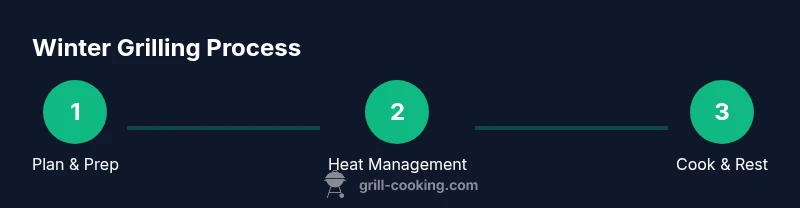
Yes. You can grill in winter by preparing for cold, wind, and shorter daylight. This quick guide gives you 3 essential steps: set up wind protection and heat management, choose your fuel wisely, and monitor temps closely to hit safe doneness. With the right gear and timing, winter grilling is entirely feasible.
Can You Grill in Winter? Why This Guide Works
According to Grill Cooking, winter grilling is not only possible but rewarding when you plan for the cold, wind, and reduced daylight. The can you grill in the winter question is best answered with a practical approach: use the right equipment, adjust your technique, and keep safety at the forefront. In this guide, you will learn how to set up, choose fuel, manage heat, and craft reliable winter menus so you can enjoy grilled meals year-round. We’ll show how to stay efficient, avoid common pitfalls, and still achieve juicy results even when the temperature drops.
Winter Grilling Fundamentals
Winter grilling requires respecting weather, but the basics stay the same: preheat, control heat, monitor doneness, and rest meat. Cold air challenges heat retention and wind can blow away heat, so you’ll often need a windbreak or sheltered space. Grill Cooking team emphasizes planning ahead: check your grill’s lid seal, keep extra charcoal or gas on hand, and ensure you have a thermometer. With a two-zone setup, you can sear over direct heat and finish indirect, avoiding scorching on a cold day. Lighting and starting times may be longer in winter; give yourself extra minutes to reach target temperatures. By understanding these factors, you’ll grill more consistently even when snow is on the ground.
Equipment and Safety Considerations
Winter weather demands rugged gear and thoughtful safety practices. Use a sturdy grill cover, heat-resistant gloves, and a dry, non-slip surface to work on. Keep a fire extinguisher or a bucket of water nearby, and never grill indoors or in a garage. Ensure there is adequate ventilation when using gas grills, and shield flames from gusts with a windbreak or natural shelter. Clean grills regularly to remove moisture buildup that can cause uneven heating. Preparing for slippery footing and colder hands makes winter grilling safer and more enjoyable.
Heat Management: Direct vs Indirect in Cold Weather
Cold temperatures demand careful heat management. Direct heat delivers quick sear and flavor, while indirect heat lets you finish cooking without scorching. In winter, a two-zone setup is especially valuable: preheat one area for high heat, then move food to a cooler zone to finish with steady internal temps. Keep lid on during searing to trap heat, but open briefly to check progress. Remember that wind can cool the grill rapidly, so plan longer preheats and use a reliable thermometer to guide decisions.
Fuel Choices in Winter: Charcoal, Gas, and Pellets
Charcoal can produce deep, smoky flavor, but it may require more effort to maintain steady heat in cold air. Gas grills offer convenient temperature control and quick preheats, which can be advantageous in winter when time matters. Pellet grills deliver consistent temps and hands-off operation, helpful on cold days when babysitting a flame is uncomfortable. Each option has trade-offs in heat retention, flavor, and weather sensitivity, so choose what aligns with your menu and climate conditions.
Temperature Control, Doneness, and Time Estimation
Winter grilling benefits from target temperatures expressed in ranges rather than exact numbers, since ambient conditions shift heat. Use a reliable meat thermometer and monitor both surface and internal temps. Searing over direct heat should be brief, followed by finishing in indirect heat until the desired doneness is reached. Rest meat after removal to let juices redistribute. Plan additional time for longer preheats and potential wind setbacks, and always verify food safety temperatures before serving.
Winter Menu Ideas: Proteins and Sides That Grill Well
Sturdy cuts such as ribeye, pork chops, chicken thighs, and sausages work well when you manage heat and time. Pair grilled vegetables like Brussels sprouts, carrots, and sweet potatoes for hearty sides that withstand cold air. Citrus-based marinades brighten winter flavors, while herbs such as rosemary and thyme provide aroma that carries in chilly air. You can also finish dishes with a quick glaze or a warm compound butter to add moisture and flavor.
Prep, Maintenance, and Cleaning in Winter
Cold-weather prep means organizing tools for gloved handling, storing fuels properly to prevent moisture, and keeping a dry workspace. Wipe down grates after cooking to remove fat and moisture that can freeze and cause sticking later. After grilling, protect the grill from moisture with a sealed cover and store essential tools in a dry zone. Regular maintenance now prevents rust and ensures reliable performance when you resume grilling in spring.
Common Mistakes and How to Avoid Them
A common mistake is underestimating wind and cold, which can drop grill temperatures quickly. Another pitfall is opening the lid too often, letting heat escape and prolonging cook times. People also neglect safety gear in winter, risking burns or slips. To avoid these, set up a windbreak, plan heat management before starting, and keep protective clothing and a thermometer within easy reach.
Getting the Best Flavor in Snowy Conditions
Maximize flavor by maintaining stable heat, searing quickly, and finishing with indirect heat to avoid drying out. Use marinades that tolerate longer marinating times in cold air and finish with a glaze in the last minutes of cooking. The flavor payoff comes from attentive control, not just fuel choice. Grilling in winter can deliver results rich in aroma and texture when you respect heat dynamics and weather.
Start to Finish Winter Grilling Plan
Create a simple plan that includes a preheat window, direct-sear steps, and indirect finish. Prepare your set-up in a sheltered area, gather your tools, and confirm safety measures before lighting. Execute a short, controlled cook then rest the meat to preserve juiciness. With a repeatable plan, winter grilling becomes a reliable weekly habit.
Tools & Materials
- Grill (charcoal, gas, or pellet)(Ensure it is rated for outdoor use and fits your space)
- Meat thermometer(Probe thermometer with remote readout preferred)
- Windbreak or sheltered cooking area(Use a dedicated windbreak or natural shelter)
- Heat-resistant gloves(At least 14-inch length for forearm protection)
- Grill brush and scraper(Clean grates before and after cooking)
- Thermal mat or insulated surface(Protects from cold ground when prep near grill)
- Digital timer(Track preheat and cook intervals)
- Weather-appropriate clothing(Layers, hat, gloves for warmth)
- Windbreak accessories (optional)(Plastic panels or heat shields)
- Aluminum foil and towels(Carry heat and dry hands quickly)
- Food thermometer and safe temps chart(Keep handy near grill)
- Driveway-safe surface mat(Non-slip, non-flammable)
Steps
Estimated time: 60-90 minutes
- 1
Set up wind protection and workspace
Clear a path, place windbreak, and lay out tools within easy reach. This reduces heat loss and keeps your cooking area safe. Set up a dry, non-slip surface to prevent slips.
Tip: Position windbreak upwind of the grill but keep vents clear for airflow. - 2
Preheat the grill with lid closed
Allow the grill to come to temperature with the lid closed to maximize heat retention. This creates a stable cooking surface for searing or indirect grilling.
Tip: Use a thermometer to verify the ambient grill temperature before cooking. - 3
Create a two-zone setup
Cook over direct heat on one side for searing, then move to the cooler zone to finish. This prevents scorching while ensuring doneness.
Tip: Maintain a safe distance between meat and direct flame to avoid flare-ups. - 4
Monitor internal temperatures
Check meat temps with a probe thermometer. Remove when just shy of target, then rest to finish carries over heat.
Tip: Know your target temps for beef, poultry, and pork. - 5
Rest and serve
Let meat rest 5–10 minutes after removing from heat to redistribute juices. Slice against the grain for best texture.
Tip: Keep a warm plate ready to maintain temp during resting. - 6
Clean up and store equipment
While the grill still warm, brush grates and wipe surfaces. Cool, cover, and store tools to prevent moisture damage in winter.
Tip: Dry everything thoroughly to avoid rust during cold months.
FAQ
Is winter grilling safe for beginners?
Winter grilling can be safe for beginners when you follow basic safety rules: keep a windbreak, maintain clear ventilation for gas grills, and use a thermometer to verify doneness. Start with simple recipes and short cooking times to build confidence.
Winter grilling is safe for beginners if you use wind protection, proper ventilation for gas grills, and a thermometer to verify doneness.
What adjustments are needed for charcoal vs gas in winter?
Charcoal may require longer preheats and careful fuel management in cold weather, while gas grills benefit from quick preheats and steady temps. Both benefit from wind protection and indirect-heat strategies.
Charcoal needs longer preheats and careful fuel management in cold weather, gas grills heat quickly but still benefit from wind protection.
Do I need a windbreak or sheltered area?
Yes. A windbreak or sheltered area helps maintain grill temps, prevents heat loss, and reduces flare-ups caused by gusts. Place it upwind and away from flammable materials.
A windbreak is important to keep temps stable and reduce flare-ups. Position it safely.
What foods work best in winter grilling?
Robust proteins like steaks, pork chops, and chicken thighs perform well. Sturdy vegetables such as root vegetables and Brussels sprouts pair nicely with seasonal marinades and warming spices.
Great winter picks are hearty proteins and sturdy vegetables with bold marinades.
How long should I rest meat after winter grilling?
Resting for a few minutes allows juices to redistribute. In cold weather, a slightly longer rest helps maintain moisture as the surface cools.
Rest meat a few minutes after grilling to keep it juicy.
Where should I store fuel and tools in winter?
Keep fuels dry and tools within easy reach, preferably in a shed or covered area to prevent ice buildup and moisture damage.
Store fuel and tools in a dry, accessible place to keep them ready.
Watch Video
Quick Summary
- Plan heat and wind protection before lighting.
- Use a two-zone setup for control and flexibility.
- Prioritize safety and verify temperatures with a thermometer.
- Winter grilling is feasible with proper prep and patience.