Can You Grill When Charcoal Is Still Black? A Practical Guide
Learn whether you can grill with charcoal that’s still black, why ash buildup matters, and step-by-step techniques for safe, temperature-controlled grilling. Includes tips, safety notes, and a complete how-to for beginners and seasoned grillers alike.


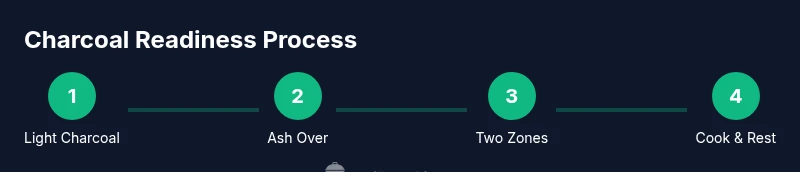
Can you grill when charcoal is still black? Not usually. Wait until the coals are lit and coated with a light gray ash before cooking. This ensures even heat, stable temperatures, and fewer flare-ups. If you see black charcoal with glowing red centers, you’re approaching readiness; once most pieces ash over, spread the coals and adjust vents for the target temperature.
Why waiting for the ash matters
Can you grill when charcoal is still black? This is a common question for new grillers. The short answer is no—purposeful heat control begins the moment the fuel starts to wake up. When charcoal is fully lit and coated with a light gray ash, you get predictable temperatures, steadier heat, and fewer annoying flare-ups. According to Grill Cooking, ash-covered coals burn more evenly and are easier to manage, which reduces risk and improves results for everything from quick weekday burgers to longer cooks like chicken or pork shoulder. The ash layer acts as a natural insulator, damping aggressive peaks and helping you hold steady temperatures across the grate. If you skip this step, you risk scorching food on contact and ending with uneven doneness that frustrates home cooks and takes the wind out of your grill.
Keep in mind the weather and wind direction can accelerate or slow the lighting process. A sheltered, well-ventilated area helps coals reach the ready state faster, while a drafty spot can make temperature swings more dramatic. It’s worth investing a few extra minutes upfront to achieve consistent results, especially when cooking thicker cuts or delicate foods like fish that require precise heat control. For best practice, plan to start the fire 20–25 minutes before you plan to cook and monitor the heat as you approach service time.
How to tell charcoal is ready
Knowing when the charcoal is ready is a skill that pays off with better searing, more even cooks, and safer handling. Look for these signs: (1) nearly all pieces are lit and glowing with a red core, (2) a thin, even layer of white-gray ash coats most surfaces, and (3) you can hear a steady, low hiss when you hover food near the grate. The uniform glow and ash indicate a stable temperature range, ideal for both direct and indirect cooking zones. If a few pieces remain black but show a faint glow, you’re close—give them a few more minutes while keeping the lid closed to trap heat. Grill Cooking’s approach emphasizes patience here: don’t rush the heat, because inconsistent temperature invites uneven doneness and margin of error.
Tip: Use a chimney starter for a controlled, uniform lighting process. Avoid dumping partially lit coals onto the grate; instead, allow the entire bed to ash over for even heat distribution. When in doubt, it’s safer to wait an extra 5–10 minutes than to fight heat and flare-ups later.
Direct heat, two-zone setups, and heat management
A two-zone fire is essential for flexible grilling. Direct heat on the hot side is perfect for searing, while the cooler zone allows you to finish cooking without burning the exterior. After the charcoal has ash-coated and the grate is preheated, arrange the coals so you have a bright, hot zone and a cooler area on the opposite side. You can create a safe buffer by pushing some of the coals to the sides, leaving a center area open for indirect heating. This setup is especially useful for thicker cuts like London broil, chicken quarters, or bone-in pork chops where you want a quick sear followed by a longer cook at a controlled pace.
Ventilation matters. Opening vents increases airflow and raises temperature, while closing them lowers the burn rate. Start with the vents at a medium-quick setting, then fine-tune as you monitor heat. A digital or instant-read thermometer is a smart ally here, letting you target specific ranges (for example, 400–450°F for searing). If you’re new to this, keep notes on vent positions and temperatures for repeatable results next time.
Finally, remember safety first. Keep a clear area around the grill, wear heat-resistant gloves, and have a spray bottle handy for minor flare-ups. The comfort level you feel during cooking is directly tied to how well you manage heat, air, and timing—invest time here and you’ll improve drastically over a few sessions.
Heat management: vents, airflow, and timing
Heat control in charcoal grilling is almost entirely about airflow. The more air you allow through the vents, the hotter the fire burns. Conversely, restricting air can choke the fire, causing inconsistent heat and longer preheat times. Start with a wide-open bottom vent and a slightly open top vent to encourage a steady draft as the charcoal reaches the ash-covered state. If you notice excessive smoke and creosote, you’re likely running too cool or too hot; adjust vents incrementally and give the grill time to respond.
Another common pitfall is cooking with a lid open for extended periods of time. A closed lid traps heat, which is essential for thicker cuts, while still allowing you to manage air flow through the vents. When cooking with the lid on, the internal temperature climbs, and so does the risk of scorching. Use the thermometer to guide decisions, and remember that practice makes heat management more intuitive over time.
Common mistakes to avoid and how to fix them
- Skipping the ash phase: This leads to uneven heating and unpredictable temps. Solution: wait until the majority of coals are ashed over before cooking.
- Overloading the grate with unlit coals: This creates hotspots. Solution: light evenly in a chimney starter or use evenly spread lit coals.
- Over-sealing the lid during high heat: This can trap moisture and flare-ups. Solution: lift the lid briefly to release built-up heat if needed and adjust vents.
By anticipating these missteps, you’ll minimize flare-ups and maximize product quality. A calm, methodical approach beats frantic spark-and-leap cooking every time.
What to do if you’re dealing with black charcoal in a pinch
If you find yourself with charcoal that is not yet ash-covered, you still have options. Allow the bed to keep burning with the lid closed to trap heat for a short period, then re-check. If the fire is weak or smoke-heavy, add a small amount of dry, evenly distributed charcoal and stir with long tongs to promote even lighting. In some setups, you can isolate a high heat zone for rapid searing and begin cooking with a partial bed of ash-covered coals, gradually adding more lit coals to reach your target temperature. The key is patience and careful heat management rather than rushing to begin cooking with raw fuel.
What home cooks should know about safety and cleanup
Safety is the backbone of any grilling session. Wear heat-resistant gloves, keep tools long and sturdy, and keep a dedicated grill brush to maintain grate cleanliness. After cooking, close the vents to starve the fire and safely extinguish the coals. Do not dump hot coals into a trash can immediately; let them cool completely first. Once cooled, scoop ash into a metal container and dispose of it according to local guidelines. Regular maintenance, including brush cleaning and griddle care, ensures safer and more consistent results over time.
Tools & Materials
- Charcoal (lump or briquettes)(Choose 100% natural hardwood briquettes or lump for steady burn)
- Chimney starter(Preheat charcoal without lighter fluid; use newspaper or a starter cube)
- Lighter or matches(Wooden or long-reach for safe ignition)
- Long-handled tongs(At least 16 inches for safe handling)
- Heat-resistant gloves(Heat-rated to at least 500°F (260°C))
- Grill brush(Clean grates before cooking to prevent sticking)
- Instant-read thermometer(Optional but helpful for precise temps)
- Spray bottle for flare-ups(Use with caution for minor flare-ups)
- Fireproof mat or surface(Protects the prep area when handling hot coals)
Steps
Estimated time: Total time: 25-40 minutes
- 1
Set up grill and safety zone
Choose a flat, non-flammable surface with clear space around the grill. Clear combustibles, set the grill height, and verify you have a safe extinguisher or baking soda handy. This first step prevents accidents and gives you a solid base for the heating process.
Tip: Keep children and pets away; establish a defined cooking zone before lighting. - 2
Light charcoal in chimney starter
Fill the chimney with charcoal and light using newspaper or a starter cube. Let it burn until the coals are mostly lit and coated with white-gray ash, about 8–12 minutes depending on weather and charcoal grade.
Tip: Avoid pouring partially lit coals directly onto the grate; ensure even ignition for uniform heat. - 3
Dump and spread for heat zones
Carefully pour the lit coals into the grill and arrange them for two zones: direct heat on one side and indirect heat on the other. Create a rim of hotter coals for searing and leave a cooler area for finishing.
Tip: If your grill is small, use a two-step approach: seed the heat, then adjust with the lid and vents to balance temps. - 4
Preheat the grate
Place the grate back on and close the lid for 3–5 minutes to heat the surface. Open the vents to regulate air flow and monitor the grate temp with a thermometer or time-tested hand test.
Tip: A properly heated grate will sear with distinct marks and release food easily when ready. - 5
Start cooking with direct heat
Begin with the items that benefit from high heat—steaks, burgers, chops—over the hot zone. Keep a close eye on time; flip once to avoid over-searing.
Tip: Only flip once per side to maximize browning; frequent flipping interrupts even cooking. - 6
Move to indirect heat as needed
For thicker cuts or items needing longer cook times, relocate them to the cooler zone or finish under the lid. Use an internal thermometer to ensure safe doneness without charring.
Tip: Use a two-zone setup to prevent burnt exteriors while reaching internal temps. - 7
Finish and rest
Once targets are reached, remove from heat, tent loosely, and rest 5–10 minutes. Resting allows juices to redistribute for juicier results.
Tip: Resting is often as important as the cook itself for flavor and texture. - 8
Shut down safely
Close all vents and food lid to extinguish the fire. Allow coals to cool completely before disposal or storage.
Tip: Never dump hot coals into plastic containers; use a metal bucket and let them cool fully.
FAQ
Can you grill with unlit charcoal?
No. Unlit charcoal won’t produce consistent heat. Light it properly using a chimney starter or long matches, and wait for ash-covered coals before cooking.
No, you should wait for lit coals with ash before grilling.
How long does charcoal take to ash over?
Typically 8–12 minutes after lighting when using quality charcoal, weather permitting. The exact time varies with charcoal type and airflow.
Most charcoal ash over in about 8–12 minutes, depending on conditions.
Is lighter fluid safe to use on charcoal?
When used sparingly and allowed to burn off before cooking, lighter fluid can be safe. Avoid using it in excess and never pour onto hot coals.
Use minimal lighter fluid and let it burn off before cooking.
Can I speed up heating safely?
Yes, by increasing airflow through vents and using a chimney starter. Avoid forcing heat with fans directly on hot coals to prevent flare-ups.
Increase airflow via vents and use a chimney starter to speed up heating safely.
What temperature is best for searing vs. finishing?
Searing benefits from high direct heat (around 450–500°F). Indirect cooking requires lower temps (325–375°F) to finish without burning.
Seared at high heat, finished at lower temps in indirect zone.
What if food sticks to the grate?
Oil the grates lightly and ensure the grill is preheated. A properly heated grate will release meat with minimal sticking.
Oil the grate and preheat well to prevent sticking.
Watch Video
Quick Summary
- Wait for ash-covered coals before cooking.
- Two-zone setup enables versatile cooking.
- Vent control determines heat stability.
- Safety and prep drive better results.