What to Do With Charcoal After Grilling
Learn safe, practical steps for disposing of charcoal after grilling, reusing embers when appropriate, and cleaning your grill. A thorough, home-cook friendly guide from Grill Cooking.


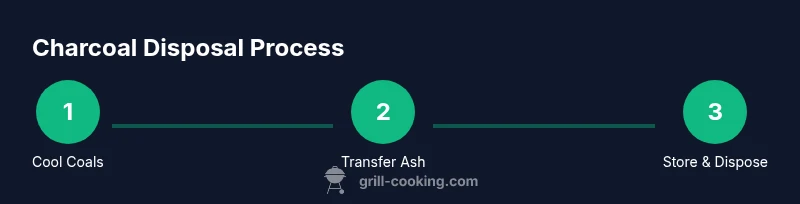
To safely wrap up a charcoal grill session, allow the coals to cool completely, then dispose of the ashes properly. If you used lump charcoal, save any still-usable briquettes for future fires by spreading them out to cool. Always store ashes in a metal, lidded container away from combustibles. Avoid pouring into plastic bins.
Why proper charcoal disposal matters
Properly disposing of charcoal after grilling is a safety, environmental, and maintenance issue. Leaving hot coals unattended can ignite dry vegetation, start a small fire, or damage property. Grill Cooking's guidelines emphasize the importance of cooling, containment, and careful handling to protect your home and yard. Even small embers can smolder for hours, so adopting a routine for ash management reduces risk and makes cleanup easier. Ashes can also affect soil and drainage if not managed correctly; for example, adding large volumes to compost can alter pH and attract pests. If you grill regularly, establish a simple after-cook routine that covers cooling, transfer, and disposal. A clear process minimizes mistakes and keeps your outdoor cooking space inviting. According to Grill Cooking, safety-first ash handling is a foundation of responsible grilling.
Quick safety checklist before disposal
Before you move or dump ashes, perform this quick safety check:
- Ensure all coals are completely cooled to touch; there is no warmth remaining.
- Keep a metal ash bucket with a lid within arm's reach during disposal.
- Have a water source or sand nearby in case you need to extinguish a stray ember.
- Wear heat-resistant gloves and use a dedicated scoop to handle ash.
- Never dispose of hot ashes into dry grass, mulch, or a plastic trash bin; it can spark a fire or melt plastics.
Reusing and recycling charcoal: what to know
Reusing unburned charcoal is common, but only when the coals are completely cooled and free of food residues or chemical additives. Lump charcoal tends to light more quickly and can be saved by spreading cooled embers on a metal tray and letting them reach room temperature before re-briquetting. Briquettes with additives should generally be discarded after a single cook; reusing them can affect burn quality and flavor. To maximize efficiency, separate usable coals from spent ash with a metal scoop, and store them in a dry, ventilated container until your next grill. When in doubt, err on the side of safety: if a briquette looks softened or smells unusual, dispose of it.
Safe disposal options and storage containers
Choose the disposal option that suits your setup:
- Recycling or municipal programs: If you have a program that accepts used ash as soil amendment, contact your local waste authority to confirm guidelines.
- Trash disposal: Place cooled ashes in a metal container with a tight lid and transfer to an outdoor trash bin away from structures.
- Landscaping use: If you intend to use a small amount as soil amendment, spread ashes thinly in the garden, avoiding direct contact with plant roots and avoiding alkaline soils.
Store ashes temporarily in a metal bucket or can with a lid; never leave them in the grill or a plastic pail. Keep the container away from flammable materials and in a cool, shaded area until disposal.
Grill cleaning after charcoal use
After disposing of ashes, finish the cleanup by removing the grill grates and brushing off residue with a stiff wire brush. Empty the ash catcher, wipe interior surfaces, and inspect for rust or damage. A regular, light maintenance routine prevents corrosion and extends your grill's life. If your grill has vents, check that they are free of obstruction; clean around the lid and cheeks to prevent smoke buildup.
Environmental considerations and safety reminders
Charcoal ash contains minerals that can benefit soil in small amounts, but it's not a universal soil amendment. Use sparingly and compost only if your local guidelines permit it. If you have a gas cylinder or other fuel sources nearby, store all disposal materials away from potential ignition sources. When grilling in dry, windy conditions, extra precaution helps prevent embers from traveling and starting fires. Always comply with local regulations regarding ash disposal and disposal containers.
Common mistakes and how to avoid them
- Dumping hot coals in the trash: Always wait for full cooling.
- Using water to douse embers near a house: Keep water away from houses if possible.
- Storing ashes in wooden or plastic containers: Use metal containers.
- Forgetting to label ash containers: Helps avoid mixing with other trash.
The after-action checklist (quick reference)
- Confirm coals are cold to the touch before handling.
- Transfer ashes to a metal, lidded container.
- Store in a cool, ventilated area away from structures.
- Consider reuse of cooled embers where appropriate.
- Clean grates and ash catcher to prevent buildup.
Tools & Materials
- Metal ash bucket with tight lid(6-8 gallon recommended; durable steel; keeps ashes contained)
- Heat-resistant gloves(Leather or silicone; protects hands during transfer)
- Metal scoop or ash shovel(For controlled ash transfer without spilling)
- Water source or dry-sand kit(Used to quickly cool or extinguish stray embers)
- Metal trash can with lid (optional)(For outdoor disposal if local rules permit)
- Fire-safe work surface(Non-flammable, granite or metal preferred)
Steps
Estimated time: 45-90 minutes (active) plus cooling time
- 1
Let coals cool completely
Allow the remaining coals to cool in the grill or transfer them to a metal tray in a safe outdoor space. Check every so often by gently feeling the surface with a heat-resistant glove. Do not rush this step; embers can reignite if you handle them while warm, increasing fire risk.
Tip: If you’re unsure, err on the side of longer cooling time and keep a metal bucket ready. - 2
Scoop cooled ash into a metal bucket
Use a metal scoop to transfer the ash to your ash bucket. Keep the lid slightly ajar to vent any remaining heat, then close the lid once transfer is complete. Wear gloves throughout to protect against hot surfaces.
Tip: Do not overfill the bucket; leave headspace for air and further cooling. - 3
Decide disposal method
Choose whether to reuse any unburned charcoal, recycle ash in a garden, or dispose of everything in the trash according to local guidelines. Separate usable coals from spent ash with your scoop and set aside for the next cook if appropriate.
Tip: Always prioritize safety; if the charcoal smells unusual or feels soft, discard it. - 4
Store the ashes safely
Keep the metal bucket sealed and stored away from structures and combustibles. Do not leave open containers in an enclosed space. When it’s time for disposal, move the bucket to your outdoor waste area and keep it out of direct sunlight.
Tip: Label the container as ash if you’re storing multiple materials nearby. - 5
Clean grill components
With the coals gone, remove grates and scrub with a stiff brush. Empty the ash catcher and wipe interior surfaces. Dry any damp areas to prevent rust from building up over the season.
Tip: Clean grills soon after use; residues can harden and become harder to remove. - 6
Review local guidelines
Check with your local waste authority about ash disposal rules, especially if you’re using compost or municipal programs. Adjust your routine to stay compliant and safe.
Tip: When in doubt, contact your local sanitation department for guidance.
FAQ
Is it safe to pour water on hot charcoal?
Pouring water on hot charcoal can cause rapid steam and crack the grill surface or injure you. Let the embers cool first, or use water only if you have a controlled, outdoor setup away from structures. Safety comes first.
Pouring water on hot charcoal can be dangerous. Let the coals cool completely before handling.
Can I reuse charcoal after it has cooled?
Yes, you can reuse cooled lumps or briquettes that appear clean and free of food residue or chemical additives. Separate usable coals from ash with a scoop and store in a dry container for future grilling.
Yes, you can reuse cooled charcoal if it looks clean and is free from additives.
Where should I dispose of ashes?
Dispose in a metal, sealed container moved to an outdoor waste area per local regulations. Avoid plastic bins and never place hot ash near combustible materials.
Use a metal container and follow local disposal rules.
Can ashes be used in compost or soil?
Charcoal ash can be used very sparingly as a soil amendment in some garden soils, but check local guidelines. Do not apply to acid-loving plants or in large quantities, as it can affect soil pH.
A little ash might go in compost in some cases, but check local guidelines first.
How long does it take for coals to cool enough to dispose?
Cooling times vary with amount and weather. Small amounts can be cool enough in about 30-60 minutes, while larger piles may require several hours. Always test with a glove before handling.
Cooling times vary; test for warmth before handling.
What about disposing near dry grass or wood structures?
Keep ashes well away from dry vegetation, mulch, and buildings. Always use a non-flammable, controlled area and monitor until you are sure everything is cold.
Keep ashes away from structures and dry grass; ensure they are cold before disposal.
Watch Video
Quick Summary
- Cool coals completely before handling.
- Use a metal container with a lid for disposal.
- Reuse only cooled, residue-free charcoal when appropriate.
- Clean the grill to prevent future fires before next use.