How to Put a Grill Out Safely
Learn how to put a grill out safely with clear, actionable steps for charcoal and gas grills. This practical guide covers safety gear, proper extinguishing methods, aftercare, and common mistakes to avoid to protect your home and loved ones.


To put grill out safely, identify whether you’re dealing with charcoal or gas, then act quickly to starve the flames of oxygen and seal the heat source. For charcoal, close vents and the lid; for gas, shut off burners and the propane valve. If flames persist, use a fire extinguisher (ABC) or baking soda and keep everyone back until the grill cools.
Why Putting Out a Grill Safely Matters
Grilling fires can start from embers, flare-ups, or leaking fuel, and they demand calm, quick action. According to Grill Cooking, safe extinguisher techniques and proper cooling dramatically reduce the risk of house fires and burns. This article explains the hazards, why a deliberate approach matters, and how safety habits protect you, your family, and your deck during every barbecue session. The safest grills are the ones you control with a clear plan and the right tools within reach. By learning how to put grill out, you reduce your exposure to heat, smoke, and hidden embers that can reignite hours later. Keep in mind that preparation and discipline are as important as technique when you’re cooking outdoors.
Safety Gear and Prep Essentials
Before you light the grill, assemble gear that supports safe extinguishing: heat-resistant gloves, long-handled tongs, a metal bucket with a lid, a reliable fire extinguisher (ABC rated), baking soda for small flare-ups, and a water spray bottle for cooling metal surfaces only if flames are out of control. Water on live grease fires can cause dangerous steam and spreading flames, so use water only when the flames are already smothered or in cooling scenarios recommended by safety guides from Grill Cooking. Establish a clear safety zone and keep children and pets away while you monitor the grill’s heat. Having a prepared plan plus the right tools makes the moment you need to put out a grill much less stressful.
Charcoal vs Gas: Extinguishing Approaches
Charcoal grills burn longer with hot coals that can glow after cooking. By closing the vents and the lid, you limit oxygen and help the fire fade. For gas grills, always shut off burners first, then close the lid to reduce oxygen and gas buildup while keeping the flames contained. If you detect a propane smell or suspect a gas leak, move away from the area and close the tank valve if it’s safe to reach it. In all cases, never reach into a live fire with metal tools. Rely on time-tested extinguishing methods to keep your home safe.
Immediate Actions to Take When Flames Start
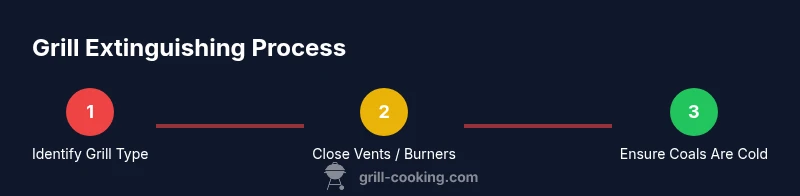
When flames erupt, stay calm and act in sequence: identify the grill type, isolate the heat source by closing vents or burners, smother the fire with the lid and vents closed, and once flames are gone, keep the area clear and allow cooling before touching the grill. Avoid opening the lid during a flare-up as this feeds oxygen and can intensify the fire. If smoke or flames threaten nearby materials, step back and call for help if needed. After the flames are out, verify there are no hot spots and that the grill is in a safe, cool state before moving it.
Aftercare: Cooling, Cleaning, and Disposal
Ashes and coals can stay hot for a long time, so move the grill to a safe area away from structures and combustible materials. Wait until the entire unit is cold before you handle it, then transfer ashes to a metal container with a lid. Do not dump hot ashes into a plastic bin or any container that could melt. Once cooled, clean the grill grates and tray to prevent pitting and residue buildup, then store your extinguisher and tools within easy reach for the next cookout. Keeping the area tidy reduces the chance of accidental reignition and makes the next grilling session easier and safer.
Common Mistakes to Avoid
Common mistakes include using water on hot charcoal, opening the lid during flare-ups, delaying action, and ignoring protective gear. Always keep a plan and the right tools on hand, and maintain a safe perimeter around the grill. If flames threaten nearby structures, evacuate and contact emergency services. Regular practice with your extinguisher and a quick escape route can make a critical difference in an emergency.
Quick Safety Checklist You Can Use
- Have an ABC-rated extinguisher nearby
- Wear gloves and long sleeves
- Know your grill type and extinguishing steps
- Keep kids and pets away from the grilling area
- Allow ashes to cool completely before disposal and cleanup
- Post a simple, visible plan for fast action if a flare-up occurs
Tools & Materials
- Fire extinguisher (ABC-rated)(Keep within easy reach of the grilling area)
- Heat-resistant gloves(Extend wrists and protect hands during handling)
- Long-handled tongs(Grip embers safely without leaning over the grill)
- Metal bucket with lid for ashes(Use only metal containers with a tight lid)
- Baking soda (for small flare-ups)(Non-flammable and effective for minor fires)
- Water spray bottle (cooling only, flames out)(Do not use on active grease fires)
- Lid for grill(Keep on hand to smother flames quickly)
- Flashlight or headlamp(Night grilling safety and visibility)
Steps
Estimated time: 15-60 minutes
- 1
Identify grill type and secure area
Assess whether you’re dealing with a charcoal or gas grill. Establish a safety perimeter and ensure kids and pets are far away from the grill. This initial assessment helps you choose the safest extinguishing approach.
Tip: Know your grill’s location and have an exit path in case of sudden flare-ups. - 2
For charcoal: starve the fire
Close the vents and the lid to limit oxygen feeding the embers. Keep the grill closed until the flames die down and the surface cools. Do not attempt to move the grill while charcoal is hot.
Tip: Vents are your first line of control; keep them fully closed to slow burning. - 3
For gas grills: shut off fuel
Turn off all burners first, then close the lid to limit oxygen exposure. If you can reach the propane tank safely, close the tank valve. If you smell gas or can’t control the flames, move away from the grill and call for help.
Tip: Never try to disconnect hoses or tanks while flames are active. - 4
Smother and cool
Once the flames subside, continue to smother residual fire with the lid and vents closed. Use baking soda for small flare-ups if needed, or a fire extinguisher as a precaution. Keep the area clear during this process.
Tip: Passive cooling reduces reignition risk; never rush to re-light or move the grill while it’s hot. - 5
Cool completely and inspect
Wait until the grill and ashes are completely cold before handling. Use tongs and gloves to check for hot spots. Ensure the grill is stable and cannot tip over before disposing of ashes.
Tip: Cold ashes should be placed in a metal container away from structures for 24 hours. - 6
Dispose and clean
Transfer cooled ashes to a metal container, seal, and store away from combustibles. Clean the grates and interior surfaces once cooled. Recheck the extinguisher and safety gear for the next cookout.
Tip: Regular maintenance after a fire incident helps preserve grill longevity and safety.
FAQ
Is it safe to use water to extinguish a charcoal grill?
Water can cause steam burns and spread flare-ups if flames are actively feeding on fat or oil. Use water only after flames are smothered or in a controlled cooling situation. For active fires, rely on your lid, vents, or a fire extinguisher.
Water should not be used on active charcoal fires. Use the grill lid and vents, or a fire extinguisher, and only consider water after flames are out.
How long until ashes are completely cold?
Ashes can stay hot for a significant time after extinguishing. Wait until the grill and ashes feel cold to the touch and show no glow before handling.
Ashes stay hot for a long time—wait until everything is cool to the touch before handling.
Can I move a hot grill after lighting is off?
Avoid moving a grill while it’s hot. If you must relocate, wait for it to cool completely, then move it slowly to a safe area away from structures.
Don’t move a hot grill. Wait for it to cool completely first.
What should I do if flames keep reigniting after closing vents?
If flames reignite, use baking soda or a Class B/C fire extinguisher and ensure the lid remains closed. Re-evaluate ventilation and fuel source safety before attempting another cook.
If flames come back, use baking soda or a fire extinguisher and keep the lid closed until the grill cools.
Is it necessary to have a dedicated fire extinguisher for grilling?
Having an ABC-rated extinguisher near the grilling area is strongly recommended. It provides quick control for small fires and peace of mind for larger incidents.
Yes. An ABC-rated extinguisher near the grill is highly recommended for quick control.
What about grease fires behind the grill?
Grease fires should be fought with proper extinguishing methods and distance. Keep flammable materials away and never use water on a grease fire. If in doubt, evacuate and call emergency services.
If grease catches fire, avoid water and keep safe; evacuate if it grows, and call for help.
Watch Video
Quick Summary
- Identify grill type before taking action
- Close vents or burners to starve oxygen
- Use a fire extinguisher or baking soda for small fires
- Never move a hot grill during active flames
- Cool and dispose ashes in a metal container