How to Keep Your Grill From Catching Fire: A Safety Guide
Learn proven, practical steps to prevent grill fires, whether charcoal or gas. From setup to cleanup, our expert guide helps home cooks grill safely and confidently.


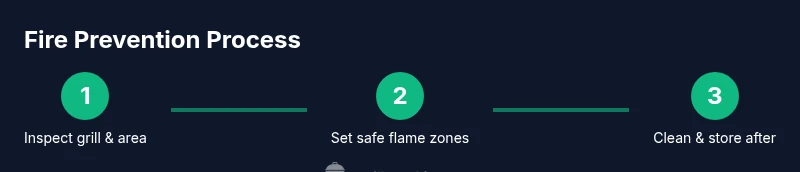
Keep your grill from catching fire by establishing a safe setup, maintaining clean grates, and managing grease and fuel safely. For charcoal, create a two-zone fire and avoid overloaded vents; for gas, check hoses and leaks before lighting. Always have a fire extinguisher nearby and know how to respond to flare-ups.
Why Preventing Grill Fires Matters
Grilling is a cornerstone of outdoor cooking, but it also introduces fire hazards that can cause property damage, injuries, and even evacuations. Understanding why fires happen is the first step in a proactive safety routine. According to Grill Cooking, home cooks who adopt a planned safety approach reduce flare-ups and grease fires by addressing three core areas: setup, airflow, and maintenance. If you’re wondering how to keep grill from catching fire, the answer starts with a clear workspace, dry fuels, and a plan for grease management. Fire-safe grilling protects your family, your neighbors, and your investment in equipment. It also minimizes the chances of a small flame turning into a larger, harder-to-control fire. By choosing the right fuel, preparing the grill environment, and following a disciplined shutdown, you lower risk without sacrificing flavor. This section lays the groundwork for practical actions you can apply this weekend and beyond. Remember, safety is a habit, not a one-off check.
Immediate Fire Risks When Grilling
Flare-ups and grease fires are the most common emergencies at the grill. When fat and juices hit hot grates or flames, sudden bursts can occur that reach the hood, vents, and nearby surfaces. Wind can push flames toward combustible materials, while crowded cooking areas invite accidental ignition from paper towels, lighter fluid, or splashed oil. Another frequent source is a poorly cleaned grease tray or drip pan, which can ignite as temperatures rise. Gas grills add risk from leaking hoses, worn regulators, or damaged connectors that allow flammable gas to escape. Each of these issues is solvable with routine checks and disciplined cooking practices. Keeping a safe distance from the grill, avoiding plastic or wooden items left too close to heat, and monitoring flame height during cooking are practical steps you can take today to reduce fire risk. In short, identify and eliminate ignition sources before you light the grill, and stay attentive while cooking.
Pre-Season Safety Checks
Before firing up any grill, perform a simple safety checklist. Ensure the grill is on a stable, non-flammable surface with ample clearance from walls, railings, and overhanging branches. Remove any combustible items from the immediate area and confirm that the surrounding space is dry and free of pooling liquids. Inspect ignition sources and heat shields for wear, clean the grates and grease tray, and verify that a functioning fire extinguisher or a bucket of sand is within easy reach. Check fuel lines and connections for charcoal and gas grills. For gas, perform a leak test using soapy water on hoses and fittings—if bubbles appear, tighten connections or replace damaged parts. With charcoal, confirm you have a chimney starter, long-handled tongs, and a reliable flame source that doesn’t rely on lighter fluid on hot coals. A thorough pre-check reduces surprises during cooking and sets you up for a safer experience.
Safe Charcoal Grilling Setup
Charcoal grilling benefits from a deliberate setup that controls heat and airflow. Use a two-zone arrangement: one side for searing and fast cooking, the other for slower, controlled cooking. This layout minimizes the chance of flames roaring out of control as fat drips. Always light coals with a chimney starter rather than lighter fluid; this avoids volatile ignition and reduces the chance of flare-ups later in the cook. Once the coals are burning steadily, distribute them to create your heat zones, then place the grate back on and let it preheat. Keep the lid closed to regulate temperature, but crack it if you need to adjust airflow quickly. Have a spray bottle filled with water for minor flare-ups and a fire-safe area for ash disposal after cooking. This approach supports steady heat without large, sudden flames and helps maintain safer cooking conditions.
Safe Gas Grilling Practices
Gas grills require a different safety mindset. Start by checking hoses, clamps, and the regulator for signs of wear or cracking. If you detect a gas odor or hissing sound, turn off the gas and ventilate before inspecting. When lighting, ensure burners are turned off briefly, then gradually light to prevent a sudden flare-up. Never store or use gasoline or other flammable liquids near a gas grill. Use the control knobs to manage flame height, and avoid overloading the grill with greasy foods that can cause sticky drips and grease fires. Regular maintenance—cleaning burners, checking ignition reliability, and replacing damaged parts—keeps fuel delivery predictable and reduces risk. If a flare-up occurs, move food away from the flame, close the lid to smother, and only re-open once flames subside. Keeping hoses clean and connections tight minimizes leaks and dangers associated with gas grills.
Grease, Drip Trays, and Vent Management
Effective grease management is essential for preventing fires. A clean grill with a proper drip tray collects fats and sauces before they have a chance to ignite. Empty and rinse trays frequently during long cooks and replace soiled liners to reduce buildup. Ensure air vents are not blocked by grease or debris; open vents when you need heat and close them to suppress flames. Grease-fueled fires can spread quickly if the grease tray becomes overloaded, so consider using a well-ventilated cooking setup and positioning the grill away from wooden decking, dry leaves, or stacked fuel. Keep a small, dedicated fire extinguisher nearby and practice safe motion around the grill to avoid knocking flames toward you or a flare-up from a gust of wind.
Post-Cooking Clean-Up and Storage
After you finish grilling, let the grill cool completely before cleaning. Remove the grate and brush off any stuck-on residue with a grill brush; wipe down the interior to remove lingering grease. For charcoal grills, close the vents and wait for the ashes to cool before disposing of them in a metal container away from combustible materials. For gas grills, turn off the burners, then the propane tank, and store it in a well-ventilated area away from heat sources. Clean and store tools, including tongs and brushes, so they’re ready for next time. Regular cleaning and proper storage reduce the likelihood of accidental ignition when the grill is idle, preserving equipment and reducing maintenance costs.
Tools & Materials
- Grill brush(Use before and after cooking to remove grease and residue from grates.)
- Heat-resistant gloves(Protect hands when handling hot components or moving coals.)
- Long-handled tongs(Safe flipping and grease management without getting close to flames.)
- Water spray bottle(Light flare-ups; never douse a grease fire with water—if it’s large, use a extinguisher.)
- Fire extinguisher ABC-rated(Keep within easy reach; know how to operate it in an emergency.)
- Soapy water for leaks(Test hoses/connectors on gas grills; bubbles indicate a leak to fix before cooking.)
Steps
Estimated time: 60-90 minutes
- 1
Clear area and set clearance
Move flammable items away from the grill and ensure there is a non-flammable surface around the cooking zone. This reduces the chance of a stray flame igniting nearby objects. Confirm there is ample space for safe operation and that any bystanders are clear of the immediate area.
Tip: Keep a metal container or bucket of sand close by for quick smothering if needed. - 2
Light charcoal with chimney starter
Fill a chimney starter and light it away from the grill to reduce direct handling of hot coals. Once the coals are ashed over, dump them into one side of the grill to create a two-zone setup for safer cooking.
Tip: Avoid pouring lighter fluid on hot coals; this can cause dangerous flare-ups. - 3
Establish two-zone heat and preheat
Place hotter coals on one side for searing and leave the other side cooler for gentle cooking. Close the lid to preheat and regulate temperature, which minimizes unpredictable flames and protects the surrounding environment.
Tip: Use a thermometer or grill grate to monitor internal temperature for accurate heat control. - 4
Manage grease and flame during cooking
Regularly brush off excess grease and keep the grease tray clean. If a flare-up occurs, move food away from the burning section, close the lid, and allow the flame to recede before resuming cooking.
Tip: Keep a spray bottle handy for light flare-ups; never spray water over a grease fire. - 5
Inspect gas hoses and connections
For gas grills, check hoses for cracks, wear, and tight connections before lighting. Perform a soap-and-water leak test to ensure there are no leaks. If you detect a gas smell, shut off gas immediately and ventilate the area.
Tip: Replace damaged hoses promptly and never use the grill if a leak is suspected. - 6
Shutdown, clean, and store safely
Turn off burners, allow the grill to cool completely, and wipe down surfaces. Dispose of ashes properly in a metal container away from combustibles, and store tools and extinguisher in an accessible location.
Tip: Schedule regular maintenance checks to prolong grill life and safety.
FAQ
What are common fire hazards when grilling?
Common hazards include flare-ups from dripping fat, unattended grills, faulty gas hoses, and grease buildup in trays. Regular cleaning and proactive checks reduce these risks significantly.
Common hazards include flare-ups, unattended grills, faulty hoses, and buildup. Regular cleaning helps prevent fires.
Can I leave the grill unattended while cooking?
No. Always supervise the grill during use. Fluorescent flare-ups can occur quickly, and unattended grills are a leading cause of small fires.
No. Always supervise the grill; flare-ups can happen fast.
Is lighter fluid safe for starting a fire?
Lighter fluid is dangerous on hot coals and can cause dangerous flare-ups. Use a chimney starter or match-light methods designed for safety.
Lighter fluid is unsafe on hot coals. Use a chimney starter instead.
What should I do if a grease flare-up occurs?
Move food away from the dripping area, close the grill lid to smother the flames, and wait for them to subside. If flames persist, use a fire extinguisher and call for help if needed.
Move food aside, close the lid, and use a fire extinguisher if needed.
How often should I clean my grill to prevent fires?
Clean the grates and grease trays after each use and perform a deeper clean weekly during active grilling seasons.
Clean after each use, with deeper cleans weekly during active seasons.
Are gas grills more prone to fires than charcoal?
Both can catch fire if not maintained. Gas grills add leak-related risks; charcoal grills can flare with grease. Regular maintenance and safe handling reduce risks for both types.
Both can catch fire; maintain and handle safely for each type.
What implements are essential for safety near the grill?
Keep a fire extinguisher, a metal bucket, heat-resistant gloves, and long tongs within easy reach during cooking.
Have a fire extinguisher, gloves, and long tongs handy.
Should I adjust vents or knobs during windy conditions?
Yes. In windy conditions, adjust vents and lid placement to maintain stable heat and prevent gusts from pushing flames toward combustibles.
Adjust vents and lid in the wind to keep flames stable.
Watch Video
Quick Summary
- Establish a safe grilling zone before lighting up.
- Use proper charcoal setup or gas checks to prevent fires.
- Keep grease under control and clean after cooking.
- Have a fire extinguisher ready and know how to act quickly.