What to Do After Grilling: A Practical Aftercare Guide
Learn the essential post-grill steps for safety, storage, cleaning, and maintenance. This guide covers resting, cooling, refrigerating leftovers, grill clean-up, and planning ahead for your next cookout, with expert tips from Grill Cooking.


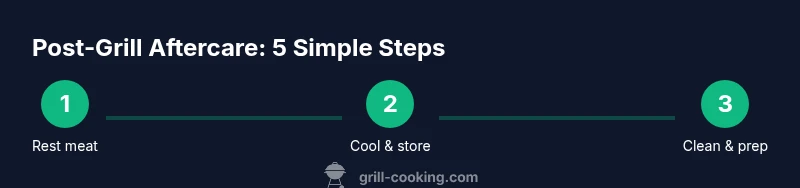
After grilling, your goal is safety, quality, and gear longevity. You’ll rest meat to finish cooking, promptly cool and store leftovers, and clean both food surfaces and the grill before your next cookout. This guide covers rest times, cooling, storage, sanitation, and maintenance—using a thermometer, clean containers, and proper cleanup as core requirements.
Post-Grill Safety: Immediate Steps for what to do after grilling
When you finish cooking, safety comes first. Move hot items away from the heat source and onto a clean, heat-safe surface. Use oven mitts or heat-resistant gloves to handle pans or trays. Bring a thermometer to check doneness and plan carryover cooking. Keep raw-protein surfaces separate from ready-to-eat foods to prevent cross-contamination. By establishing a clean, organized post-grill area, you set the stage for safer handling, quicker cooling, and less waste. This is also where you decide how long to rest food and when to start chilling leftovers. The goal is to transition from active grilling to controlled cooling without delays, which helps preserve texture and flavor while reducing food safety risks. Remember: what to do after grilling should start with a clear, safe workflow and the right tools on hand.
Resting meat and carryover cooking explained
Resting grilled items after cooking is essential for juiciness and even doneness. Carryover cooking continues after you remove heat, so giving meat time to rest lets juices redistribute and flavors settle. The amount of rest depends on cut size and thickness, with larger items needing more time. Cover loosely with foil to maintain warmth without steaming the surface, which can soften crusts or char. Rest times typically range from a few minutes for thinner slices to several minutes for larger roasts. Use a thermometer to confirm internal equilibrium is approaching target doneness, then proceed to rest or move to storage as needed. Effective resting is a quiet, patient step that pays off in tenderness and texture.
Leftovers: Storage, Reheating, and Safety
Proper handling of leftovers is crucial for safety and flavor retention. Cool cooked foods quickly by partitioning into shallow containers and placing them in the refrigerator or freezer within a safe time window. Label containers with contents and dates so you can rotate stock. When reheating, aim to reach a safe temperature rapidly and reheat only once to minimize quality loss and food safety risks. Do not reheat multiple times or leave leftovers at room temperature for extended periods. If you’re transporting food, use an insulated cooler with ice packs to keep items in the safe temperature range during transit. Thoroughly washing cutting boards and utensils that touched raw meat helps prevent cross-contamination in future meals.
Cleaning the grill: Surface hygiene and maintenance
A clean grill not only improves flavor but also safety and longevity. Scrape or brush the grates while they’re warm to loosen residue, then wipe with a damp cloth or brush. After the grill cools, wash removable drip pans and any accessible surfaces with warm soapy water. Dry thoroughly to prevent rust and re-oil grates before the next use. Regular maintenance reduces flare-ups and helps you achieve more consistent results. Keep a small cleaning kit nearby, including a stiff brush, scraper, and food-safe cleaner, so you’re ready for post-grill cleanup.
Handling sauces, marinades, and sides after grilling
Sauces and marinades should be stored properly to preserve flavor and safety. If you used raw meat marinades, don’t reuse them on cooked foods unless you boil them first to destroy potential bacteria. Transfer sauces to airtight containers and refrigerate promptly. For sides, follow standard refrigeration rules and keep perishable items at safe temperatures. When serving sauces alongside grilled items, use fresh portions or reheat sauces to a safe temperature before serving. Keeping everything clean and properly stored helps you enjoy consistent flavor and reduces waste.
Planning for your next grill session: inventory, prep, and preheating
After finishing a cook, take stock of what you have left and what you’ll need next time. Check pantry items, marinades, and grill attrition (fuel, charcoal, and accessories). Prepping in advance saves time and reduces the chance of skipping essential steps. Preheat the grill to the appropriate temperature for your next menu, and consider marinating or dry-brining options in advance for juicy results. A clear plan for ingredients and equipment ensures your next session is faster, safer, and more enjoyable.
Repurposing grilled leftovers: flavor and texture ideas
Leftover grilled proteins and vegetables can become new meals with minimal effort. Slice meats thin for sandwiches or tacos, chop into salads, or reheat gently with complementary sauces to maintain moisture. Grilled vegetables can be turned into frittatas, dips, or grain bowls for variety. By thinking creatively about post-grill leftovers, you reduce waste and keep flavors fresh. Always ensure reheated foods meet safe temperatures and are consumed promptly.
Common mistakes: how to avoid them
Rushing the cooling process or leaving meat at room temperature too long is a frequent mistake that compromises safety. Skipping the resting step can result in drier meat, while neglecting proper grill cleaning can cause off-flavors and uneven heat. Never reuse raw marinade leftovers on cooked foods without heating, and avoid cross-contamination by using separate cutting boards and utensils. A calm, methodical post-grill routine minimizes risk and improves outcomes.
Tools & Materials
- Meat thermometer (instant-read preferred)(Calibrated, probe in thickest part)
- Heat-safe resting tray or rack(Sturdy and non-slip)
- Aluminum foil(Loose tent for resting)
- Food storage containers (airtight)(Clear labeling)
- Insulated cooler with ice packs(For transport or extended cooling)
- Grill brush / scraper(Sturdy bristles, safe on surfaces)
- Dish soap and scrub sponge(For cleaning surfaces)
- Paper towels or clean cloths(Dab and dry surfaces)
- Food-grade trash bags(Secure disposal of waste)
- Temporary labeling supplies(Date and identify leftovers)
- Optional: fire extinguisher or baking soda(In case of flare-ups)
Steps
Estimated time: Total time: 30-60 minutes
- 1
Move cooked items to resting area
Using tongs, transfer all cooked pieces to a clean, heat-safe surface away from direct heat. Keep them spaced for even cooling and to prevent overcooking from residual heat.
Tip: Create a dedicated resting zone with minimal clutter to avoid cross-contamination. - 2
Verify doneness with a thermometer
Insert the thermometer into the thickest part of the food, avoiding bones and thick fat areas. Compare readings to current USDA guidelines and your recipe targets to decide if more rest or final heat is needed.
Tip: Avoid touching the thermometer to bone or pan for accurate results. - 3
Tent and rest to finish carryover cooking
Loosely tent the meat with foil to retain heat while allowing surface moisture to evaporate. Resting times vary by cut but generally take a few minutes for small pieces and longer for larger roasts.
Tip: Use foil tent only loosely to prevent steaming the crust. - 4
Cool and refrigerate leftovers promptly
Partition hot foods into shallow containers to accelerate cooling. Refrigerate within two hours to minimize bacterial growth and preserve texture.
Tip: Label containers with contents and date to simplify rotation. - 5
Clean the grill while warm
Scrape and brush the grates while still warm to remove residue. After cooling, wash drip pans and exterior surfaces with warm soapy water.
Tip: Dry thoroughly and re-oil grates before your next session. - 6
Sanitize prep surfaces
Wash cutting boards, knives, and countertops that touched raw meat. Sanitize with a safe cleaner or a mild bleach solution, and dry before use.
Tip: Keep separate boards for raw and cooked foods to prevent cross-contamination. - 7
Store leftovers properly
Move leftovers to airtight containers and place them in the fridge or freezer. Rotate stock so older items are used first and avoid overcrowding the fridge.
Tip: Date every container and plan for reheating in one session. - 8
Plan for your next grill session
Assess what you need for the next cook—fuel, marinades, vegetables, and seasonings. Preheat the grill to the desired temperature when you start cooking again.
Tip: Pre-marinade or pre-season items ahead of time for faster setup.
FAQ
How long should I rest meat after grilling?
Resting allows carryover cooking to finish gently and juices to redistribute, typically a few minutes for thin cuts and longer for thick pieces.
Rest the meat for a few minutes to let juices redistribute and finish cooking softly.
Can I refrigerate food immediately after grilling?
Prefer cooling briefly to below danger zone, then refrigerate leftovers within two hours to minimize bacterial growth.
Cool briefly and refrigerate leftovers within two hours.
Is it safe to reheat leftovers multiple times?
No. Reheat leftovers once to a safe temperature and consume promptly to preserve quality and safety.
Reheat once, then enjoy soon after.
How long can grilled leftovers stay in the fridge?
Grilled leftovers are best consumed within 3-4 days when stored properly in airtight containers.
Keep leftovers for 3 to 4 days in the fridge.
Should I clean the grill while it’s hot or cold?
Cleaning while the grill is warm is easiest; finish with a thorough scrub after it cools to remove any stubborn residue.
Clean while warm, then do a final wipe after it cools.
Can I freeze grilled leftovers?
Yes, freezing is a great way to extend shelf life; freeze promptly in shallow containers for best texture.
Absolutely, freeze leftovers to keep them longer.
Watch Video
Quick Summary
- Rest meat after grilling to improve texture and flavor.
- Cool and store leftovers promptly with proper labeling.
- Clean the grill and sanitize surfaces to prevent contamination.
- Plan ahead for next cookout to streamline your process.
- Follow official guidelines from trusted sources for safe handling.