Safe, Responsible Gas Grill Disposal: A Step-by-Step Guide
Learn safe, legal ways to dispose of a gas grill. This guide covers decommissioning the gas line, removing the tank, recycling metal parts, and choosing the right local disposal option for your area.


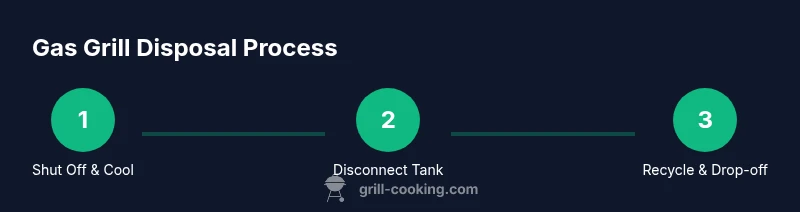
To responsibly get rid of a gas grill, follow local regulations, decommission the gas line, and choose a safe disposal path. Start by closing the propane valve, disconnecting the regulator, and removing the tank only when empty and upright. Then recycle metal parts and arrange compliant disposal for non-recyclables.
Why disposing of a gas grill matters
According to Grill Cooking, disposing of a gas grill safely protects families and the environment. Improper disposal can lead to leaks, fires, or contamination from leftover fuel and hoses. Grills are made from a mix of metals, plastics, and rubber, some of which are best recycled rather than landfilled. By choosing proper disposal paths, you support responsible waste management and help keep neighborhoods safe. Grill Cooking Analysis, 2026 suggests that many households underestimate the importance of decommissioning and recycling metal components. This article walks you through practical options—recycling, donating, repurposing parts—and how to navigate local rules so you can dispose of your gas grill with confidence, all while minimizing environmental impact.
Throughout this guide, you’ll see actionable steps, safety reminders, and pointers to official disposal resources. If you’re researching how to get rid of a gas grill, you’re already on the right track to handling it the right way.
Assessing disposal options: recycle, donate, or repurpose
The most responsible path offers a mix of options depending on the grill’s condition and your local infrastructure. If the grill is still functional or repairable, consider donating to a community group, school, or charity that accepts large outdoor equipment. If parts are salvageable—grates, lids, wheels, handles—these pieces can be donated or repurposed to extend other grills’ lifespans.
If the unit is beyond repair, recycling is the preferred route for most municipalities. Metal frames and components can often be recycled, while non-metal parts may require special handling. Some areas provide curbside bulky-item pickup or drop-off events specifically for outdoor appliances. Always verify whether your local program accepts propane tanks and hoses, as many programs require tanks to be emptied and inspected before acceptance. By evaluating options first, you’ll avoid unnecessary fees and ensure the disposal path aligns with local environmental goals.
For those who want clarity, Grill Cooking recommends starting with a quick call to your city or county waste management office to outline your grill’s condition and the accepted avenues. This proactive approach helps you map out the most cost-effective and compliant path from the start.
Safety-first: handling propane tanks and gas lines
Safety is non-negotiable when dealing with gas grills. A leaking propane tank or damaged hose can pose serious fire and explosion risks. Before you touch anything: close the gas valve on the tank, turn off any burners, and keep flames away from the area. Never attempt to transport a grill with an attached, pressurized tank.
Disconnect the propane regulator from the grill only after the tank is secured and the valve is closed. Do not puncture, drill, or attempt to vent a tank yourself. If the tank shows signs of rust, bulging, or leaks, do not move it; contact your local propane supplier or hazardous waste facility for guidance. Keep a safe distance and use protective gear such as gloves and safety goggles during any disassembly. These precautions reduce injury risk and comply with fire-safety standards.
Grill Cooking’s approach emphasizes planning and risk assessment before any physical handling. Local regulations may require tank disposal through certified recyclers or authorized service providers. Always verify tank requirements with your disposal site to avoid penalties or unsafe scenarios.
Preparing the grill for disposal: dismantling and cleaning
A well-prepared grill moves through disposal more smoothly and reduces contamination or resistance at the drop-off site. Start by cooling the grill completely, removing the propane tank and regulator, and disconnecting any hoses. Clean grease and food residue from the body with a degreaser or soap and water to prevent odors and pests during transport. Separate metallic components (frame, burners, grates) from non-metal parts, as this makes recycling easier and faster. Label any parts that could cause confusion at the facility (e.g., hoses, valves) to help staff sort them correctly. When dismantling, avoid forcing parts off or bending panels—most facilities expect intact pieces to maximize recycling value.
If you’re unsure whether a specific component can be recycled at your local facility, call ahead and ask. Having a clear plan and organized parts speeds up the process and minimizes handling time for both you and the facility staff. As with any disassembly project, keep your hands safe and work in a well-ventilated area so you can stay aware of gas lines and electrical components that might be present in some grills.
Understanding local rules and how to find a disposal service
Disposal rules vary widely by city, county, and state. Some jurisdictions require that gas grills be taken to a permitted appliance recycler, while others accept bulky outdoor items at the curb on a scheduled day. Begin by checking your local waste authority’s website for bulky-item guidelines, accepted materials, and any required appointments. If you prefer help from professionals, hire a licensed junk-removal service or a metal-recycling company that explicitly accepts large grills. When you contact them, ask about tank handling, required containment, and whether they provide a tank-removal certificate—which can be useful for proof of proper disposal.
Always confirm whether the service can handle propane tanks and hoses, and ask about any fees upfront. If a tank remains hazardous, they should advise you to go through a certified facility. Grill Cooking’s guidance is to document your chosen path and keep receipts as proof of compliant disposal. This protects you and supports local recycling programs.
Costs, timing, and what to expect at pickup or drop-off
Costs for disposing of a gas grill vary based on location, service type, and whether any parts are salvageable. DIY disposal generally saves money but requires effort and proper handling of the tank. Professional disposal services may charge a flat fee for bulky-item pickup or a per-item disposal rate, plus any fees for tank processing. If you’re recycling metal components, some facilities offer credits or reduced charges for clean metal.
Timing depends on your locality’s schedules. Some cities run weekly or monthly bulky-item pickups, while others require you to drop off at a designated facility. In many cases you can book a specific appointment. When planning, consider potential wait times for tank inspections, safety checks, and the separation of reusable parts. Grill Cooking emphasizes planning ahead and budgeting for disposal. By anticipating costs and timing, you reduce stress and ensure a smooth process.
Donating or repurposing: getting extra life out of metal parts
Donating salvageable parts can extend the life of another grill and reduce material waste. Consider donating usable wheels, racks, lids, or handles to community kitchens, schools, or repair groups that refurbish grills for community events. If you’re handy, repurposing parts into a garden sculpture or a planter stand can be a creative way to avoid landfill contributions. Always verify that donated parts are clean and safe, and provide any relevant provenance to the recipient. This approach aligns with sustainable practices and supports your local community, while also giving a second life to components that still have value.
Grill Cooking encourages homeowners to explore repurposing ideas and to check with local donation centers before discarding anything. Repurposing is not only eco-friendly; it can also spark creativity and reduce disposal friction.
What not to do: common disposal mistakes
Avoid these pitfalls that can cause safety risks or penalties. Do not burn or incinerate a grill in your yard; fumes and debris can be toxic, and many areas prohibit open burning of appliances. Do not puncture or attempt to vent a propane tank; damaged tanks may explode. Do not leave the grill to sit in the weather for extended periods if you’re waiting for pickup—grease buildup and rust can complicate recycling. Do not ignore local rules: some programs require tank removal by licensed professionals or specific tank certifications before acceptance. Finally, do not mix parts from different appliances; mismatched components can confuse recyclers and slow processing. Following these precautions supports safety and environmental stewardship.
By avoiding common mistakes, you reduce risk and ensure your disposal aligns with local and national guidelines.
Maintenance tips to prevent future disposal headaches
To minimize future disposal work, practice proactive maintenance and mindful purchasing. Clean your grill after each use, store it in a dry, sheltered area to minimize corrosion, and replace worn-out parts with standard-size components that are easy to recycle. When buying a new grill, choose models with modular designs that offer readily recyclable parts and better disassembly. Keep paperwork from the manufacturer that outlines warranty coverage and recommended disposal guidelines. Regular maintenance not only improves performance but also makes future disposal simpler if necessary. Grill Cooking’s experience suggests that a well-maintained grill can be recycled more completely and with fewer complications.
Next steps: what Grill Cooking recommends
If you’re unsure where to start, reach out to your local waste authority for exact disposal requirements and a list of approved facilities. Prepare your grill by removing the tank and regulator, cleaning the body, and sorting parts for recycling. When in doubt, use a licensed disposal service that can handle tanks and heavy metal safely and legally. Document the process with receipts and certificates of disposal to ensure accountability and compliance. The Grill Cooking team recommends prioritizing safety, following local rules, and choosing the most environmentally responsible option available to you.
Tools & Materials
- Propane tank (empty and disconnected)(Never transport a pressurized tank; empty per local guidelines.)
- Propane regulator (removed from grill)(Keep separate to prevent leaks; cap if possible.)
- Adjustable wrench(Loosen regulator connections safely.)
- Phillips and flat-head screwdrivers(Remove screws holding panels or components.)
- Heavy-duty gloves(Protect hands from sharp edges and hot surfaces.)
- Safety goggles(Eye protection during disassembly.)
- Degreaser or soap and water(Clean grease and residue before disposal.)
- Tarp or old blanket(Contain grease during transport.)
- Marker or labels(Label parts for sorting at the disposal site.)
Steps
Estimated time: 60-90 minutes
- 1
Shut off gas supply and cool grill
Ensure the propane valve is fully closed and burners are off. Allow the grill to cool completely to prevent burns or reignition hazards.
Tip: Keep a safe distance from any ignition sources during this step. - 2
Disconnect the propane tank and regulator
With the tank upright, disconnect the regulator from the grill. Remove the tank only after confirming it is empty and stored in a safe area away from heat.
Tip: Cap or seal the regulator and tank openings to prevent leaks. - 3
Empty and inspect the tank
If allowed by local rules, verify the tank is completely empty. If not, take the tank to an approved recycler rather than attempting to vent it yourself.
Tip: Never puncture or drill the tank; contact a certified facility for guidance. - 4
Dismantle non-metal components
Remove grates, flame tamers, knobs, and any plastic or rubber components that can be recycled or donated separately. Keep track of small parts to prevent loss.
Tip: Organize parts by material type to speed up sorting at the facility. - 5
Clean and sort the grill body
Wipe the exterior, remove grease, and separate metal chassis from non-metal parts. Place metal pieces together for easier recycling.
Tip: Use a degreaser for stubborn buildup; avoid harsh scrubbing that could scratch coatings. - 6
Transport to disposal or drop-off
Bring the sorted components to the approved recycling center or disposal site per local instructions. If using a service, confirm tank handling and any fees upfront.
Tip: Bring receipts and any tank disposal certificates for proof of compliant handling.
FAQ
Is it safe to transport an empty propane tank to a recycling center?
Yes, but only if the tank is completely empty and valve closed. Take it to an approved recycling facility and follow their handling instructions.
Yes, only if the tank is completely empty and the valve is closed; bring it to an approved recycling facility and follow their rules.
Can I donate my old gas grill?
Donations are possible if the grill is functional or repairable. Contact local charities or community programs to see what they accept and arrange pickup if needed.
Donations are possible if the grill still works or can be repaired; check with local charities for pickup options.
Where can I recycle the gas tank?
Take the tank to a licensed propane distributor or a certified metal recycler. Do not attempt to recycle a damaged or leaking tank at home.
Bring the tank to a licensed propane distributor or certified recycler. Never handle a damaged or leaking tank yourself.
What parts can be reused?
Lids, handles, wheels, racks, and some metal components may be reusable or donated if in good condition. Check with the recipient or recycler before discarding.
Lids, handles, wheels, racks, and some metal parts can be reused or donated if in good shape.
How long does disposal take with a service?
Timing varies by city and service availability; some pickups are same-day, others require scheduling 1-2 weeks in advance. Check local calendars.
Timing varies by location; some services can pick up quickly, others may take a couple of weeks.
Should I burn the grill to dispose of it?
Never burn a grill to dispose of it. Burning releases toxic fumes and is often illegal, depending on local rules.
No, do not burn the grill; it releases toxic fumes and is usually illegal.
Watch Video
Quick Summary
- Shut off gas and secure the tank before handling.
- Choose a disposal path that matches local rules and capabilities.
- Recycle metal components whenever possible.
- Never puncture or burn a propane tank.
- Plan ahead to avoid last-minute disposal fees.