How to Deal with BBQ Fire: A Practical Guide
Learn practical, expert-tested steps for handling BBQ fires safely. From immediate action to prevention, Grill Cooking guides home cooks to master grilling with calm, clear instructions.


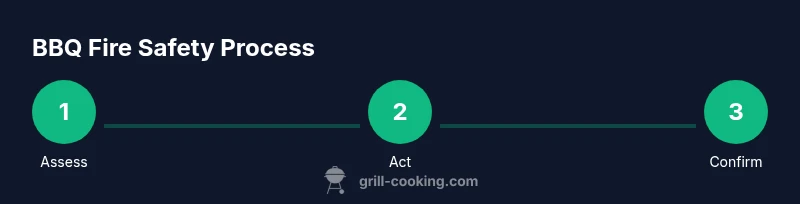
By following proven safety steps, you can control a BBQ fire quickly and minimize damage. You’ll learn how to assess flare-ups, protect yourself, use proper extinguishing methods, and prevent re-ignition. This guide focuses on practical actions you can take with common grill setups, while emphasizing safety and calm decision-making. Grill Cooking recommends staying prepared and acting decisively.
Why BBQ Fires Happen
Barbecue fires are a common risk during outdoor cooking. They happen for a mix of reasons including grease buildup, windy conditions, and leaving the grill unattended. Understanding how fires start helps home cooks anticipate and prevent incidents. The core question behind this article is how to deal with bbq fire in a way that protects people, property, and food. According to Grill Cooking, most fires originate from grease on the grate or residue under the burners creating flare ups when fat drips ignite. In addition, a gas grill with a damaged hose or a loose connection can suddenly spark a dangerous flame. Learning the typical scenarios helps you prepare a fast response plan and avoid overreacting or under reacting. If you grill regularly, establish a simple safety routine before you light the coals or ignite the burners. Place essential tools within arm’s reach, check the grill for oil or debris, and set up a designated safety zone that kids and pets cannot access. The aim is not to frighten but to empower. When you know common triggers and have a basic plan, you can react calmly and reduce the chance of injury or property damage. This guide walks you through practical steps that address how to deal with bbq fire in a clear and actionable way.
Immediate Safety First
When flames appear during a barbecue the first priority is safety. Do not panic and act with a plan. If you notice a flare up while cooking food, move quickly but carefully to protect yourself and others. Switch off the burners on a gas grill or the charcoal lighter if possible. Then close the grill lid and any vents to reduce oxygen feeding the fire. If you are near a propane tank, move away to a safe distance and ensure the tank valve is turned off if you can do so safely. Keep children and pets back. Have a plan and practice it before you cook. If the fire grows or you cannot control it within a few moments, evacuate to a safe distance and call emergency services. Do not attempt risky moves such as carrying a burning grill into the house. By acting quickly and safely you can stop the spread of the fire and protect people and property. After the immediate danger is controlled assess the situation and prepare to extinguish the flames using the appropriate method.
Understanding Fire Classifications on the Grill
Fires on a grill can be categorized as flare ups grease fires or electrical fires. Flare ups happen when fat and oils ignite on the surface of the grate and burn briefly. Grease fires occur when grease builds up under the grate or within the drip pan and ignites with a larger flame. Electrical fires are rarer and stem from faulty wiring or damaged components. Recognizing which type you are facing guides your response. For flare ups keep a distance and avoid splashing water; for grease fires do not use water; for electrical fires switch off power if safe and call for help. Grill safety depends on maintaining clean grates regularly and inspecting the drip pan and connections before you start. A little prevention goes a long way. With a calm plan you can minimize risk and keep the cooking experience enjoyable. Grill Cooking emphasizes readiness and safe handling as essential parts of every outdoor cooking session.
How to Extinguish Small Flare-Ups
Small flare ups can usually be controlled without dramatic measures. First step is to reduce oxygen by closing the lid and turning off the burners. Then lean back and observe the flames for a moment to decide the safest course. If flames subside after a few seconds you can leave the grill to cool slowly with the lid closed. If the fire continues to burn, turn off the gas or charcoal and move food away using tongs. For grease or fat on the grate you can carefully move the food away with tongs and let the flame burn out, or smother the fire with baking soda as a non chemical method. If you have a fire extinguisher that is appropriate for kitchen fires, retrieve it and follow the standard PASS technique to extinguish small fires. Do not spray water on a grease fire and avoid using a metal dish to smother the flames as it may reflect heat. Always monitor the grill after extinguishing the flames and proceed to a thorough cleanup once the grill is cool.
Dealing with a Grease Fire on the Grill
Grease fires demand special care because fat in the pan or on the grill can ignite with greater intensity. If a grease fire starts, do not reach for water as it can splatter and spread flames. Close the lid to deprive the fire of oxygen, turn off the heat source, and carefully evacuate the area if the flames expand beyond control. Use a baking soda flood to smother or an appropriate fire extinguisher if the fire persists. If the fire is burning with high intensity and you cannot control it within a few moments, call emergency services and evacuate. After the flames are extinguished allow the grill to cool completely before approaching. Clean the drip pan and grates thoroughly to remove residue and prevent future flare ups.
Aftercare and Cleanup to Prevent Recurrence
Once a fire is out, let the grill cool completely before touching any parts. Inspect hoses and connections for signs of wear or damage and replace if needed. Clean grease from the drip pan and grates, and remove built up residues that can ignite later. Check the fuel source for leaks and store propane tanks in a well ventilated, outdoors area away from heat. Consider replacing old components that show wear and tear. Reestablish a pre-cook safety routine including a quick check for oil, fat, and grease build up before lighting. Practicing good maintenance reduces the chance of future fires and keeps your grilling sessions enjoyable.
Prevention: Building a Safer Grilling Routine
Prevention is the best safety strategy for how to deal with bbq fire. Create a simple safety checklist that includes cleaning the grill after every use, checking for leaks on gas lines, and ensuring proper ventilation. Keep safety gear within reach, including a fire extinguisher and baking soda. Train everyone who helps with grilling on how to act when flames flare up or a grease fire starts. Finally, never leave a lit grill unattended and keep flammable materials away from the cooking area. A small investment in safety gear and routine maintenance pays off with many safe, delicious grill sessions.
Tools & Materials
- Fire extinguisher (class B/C or ABC)(Keep within easy reach of the grilling area; at least 2 lb is practical for home use)
- Baking soda(Use for small grease fires to smother flames; do not use water on grease fires)
- Metal tongs(For moving food and managing flames safely from a distance)
- Heat resistant gloves(Protect hands when handling hot grates or lids; look for 450 F rating)
- Grill lid or long handle tool(Helps you smother flames and control oxygen flow)
- Water spray bottle(Useful for cooling surfaces, not for grease fires)
- Propane shut-off wrench or valve tool(Helpful if you need to safely shut off gas supply from a distance)
- First-aid kit(Basic care for minor burns or injuries after an incident)
Steps
Estimated time: 15-25 minutes
- 1
Assess the flames and risk
Look at the size of the fire and whether it is spreading. If it is manageable and you can reach the grill safely, proceed with a controlled response. If not, evacuate and call for help.
Tip: If you are unsure about the risk, err on the side of safety and call for help earlier. - 2
Shut off heat sources
Turn off the gas burners or the charcoal source to stop feeding the fire. This reduces oxygen and slows the blaze. If you suspect a leak, move away and shut the main valve if safe.
Tip: Do not reach over flames to shut off valves; use the side or handle if possible. - 3
Close the lid and vents
Close the grill lid and close any vents to cut the oxygen supply. This can smother a small flare-up and prevent new fuel from feeding the fire.
Tip: Stay back from the grill as you close the lid to avoid smoke and heat exposure. - 4
Smother with baking soda or fire extinguisher
If flames continue, smother with baking soda or use an appropriate fire extinguisher. Aim at the base of the flames and sweep in a steady motion.
Tip: Never use water on a grease fire; it can cause the fire to spread. - 5
Move food away and wait
If possible, move food to a cool area with tongs and wait for flames to subside. Do not reopen the grill to avoid reignition while it is hot.
Tip: Use full protective gear when moving hot items. - 6
Inspect for embers and cool down
Once flames are out, keep the grill closed and allow it to cool completely before touching grates. Inspect hoses and connections for damage.
Tip: A cooled grill is safer to handle and reduces re ignition risk. - 7
Clean and restart safely
Clean the grill after it has cooled, dispose of ashes safely, and recheck safety equipment. Restock baking soda and ensure the area is clear of flammables.
Tip: Routine maintenance now prevents future incidents.
FAQ
What should I do first if flames appear on a barbecue?
If safe, turn off the heat source and close the lid to smother the flames. Move people away and call for help if the fire grows. Do not attempt risky moves.
Turn off the grill and close the lid, then back away. If it worsens, call for help.
Can I use water to put out a grease fire on a grill?
No. Water can cause a grease fire to spread or explode. Use baking soda or an appropriate fire extinguisher instead.
Water is not safe for grease fires; use baking soda or a fire extinguisher.
When should I call emergency services?
If flames are large, spreading, or you cannot control them within a short time, evacuate and call emergency services.
Call emergency services if the fire grows beyond your control.
Is it necessary to have a fire extinguisher near the grill every time I cook?
Having an accessible fire extinguisher adds a crucial safety margin. Ensure it is rated for kitchen and grease fires and that you know how to use it.
Yes, keep a properly rated extinguisher and know how to operate it.
What routine checks help prevent BBQ fires?
Regularly clean grates and drip pans, inspect hoses or connections for wear, and store fuels away from heat sources.
Regular cleaning and checks go a long way to prevent fires.
What should I do after a fire is out?
Let the grill cool completely before handling. Inspect for damage, clean thoroughly, and replace damaged parts before the next use.
Allow it to cool, check for damage, and clean before cooking again.
Watch Video
Quick Summary
- Act quickly and calmly to control a BBQ fire
- Know the correct extinguishing methods for grease fires
- Shut off heat sources before smothering flames
- Keep safety gear accessible and maintain the grill
- Prevent fires with regular cleaning and routine checks