Should My Grill Be Smoking? Troubleshooting Guide
An urgent, practical guide to diagnosing grill smoke: distinguish normal smoke from flare-ups and follow safe, step-by-step fixes for charcoal, gas, and pellet grills.


If your grill is smoking during preheat or use, start with simple checks: ensure clean grates, proper fuel, and correct vent settings. Smoke that persists despite cleanup usually signals grease buildup, too much heat, or damp fuel. Follow the step-by-step guide below to diagnose and fix the issue quickly. If you still see smoke after basic fixes, pause cooking and reassess fuel quality and vent position.
Should my grill be smoking? What to expect during startup
Whether you're using charcoal, gas, or pellets, a certain amount of smoke during ignition is normal for many grills. If you're asking should my grill be smoking, the short answer: yes, a light plume during preheat is common, but heavy, persistent smoke is not. For charcoal and wood, smoke is part of flavor development and lighting; for gas grills, smoke should ease as burners reach temperature. The key is to distinguish normal smoke from excessive smoke caused by buildup, damp fuel, or improper venting. The Grill Cooking team notes that during the first minutes of preheat you may see wisps and a blue-gray veil, which should clear or balance quickly as the grill comes to temperature. As a home cook, your goal is to reach stable heat with clean, controlled smoke rather than a smudge ball of combustion byproducts. Should my grill be smoking is often a signal to inspect fuel and airflow in small, manageable steps.
Normal smoke vs. dangerous flare-ups: what to look for
Normal smoke tends to be light, bluish, and wispy, especially during ignition or when establishing indirect cooking zones. Dangerous flare-ups look like sudden bursts of tall, orange flames that lick the food and cause charring. If you notice persistent, dense white smoke accompanied by a strong burning odor, that can indicate excessive grease or fuel issues. In either case, immediate action is needed to protect food quality and safety. According to Grill Cooking, understanding the smoke signature for your grill type helps you adjust quickly and prevent costly mistakes while grilling. By recognizing the difference between routine preheat smoke and dangerous flare-ups, you can keep cooking safe and enjoyable.
Common causes of excess smoke and quick fixes
Excess smoke often originates from grease buildup on grates or in the grease management system, damp or old fuel, or improper airflow. A simple fix is to clean grates and burners, empty the drip tray, and ensure the fuel is fresh and dry. If you’re cooking fatty foods, move them to indirect heat and trim excess fat to reduce flare-ups. Check that vents or dampers are adjusted to promote airflow without starving the fire. In a gas grill, blocked burners or a dirty venturi can cause smoky backdrafts. In all cases, a quick clean and a controlled lighting process dramatically reduce smoke for safer, more consistent cooking. Grill Cooking Analysis, 2026 emphasizes that clean fuel and proper airflow are the most reliable levers for smoke control.
Fuel type deep dive: charcoal, gas, pellet and their smoke signatures
Charcoal and wood pellets naturally produce more smoke during ignition and startup as the fuel lights and establishes a grate temperature. Gas grills should produce light smoke during ignition, but should settle quickly as burners stabilize. Pellet grills can emit a steady smoke depending on the pellet type and temperature. Each fuel has a unique profile, so learning your grill’s typical smoke during preheat helps you spot anomalies early. If you notice excessive smoke, verify the fuel is dry, the vents are open, and there is no dripping fat accumulating in the pan. By understanding these signatures, you’ll know when to intervene before the smoke becomes a problem.
Weather, wind, and cooking method impact on smoke levels
Windy conditions can pull smoke toward your face or into the cooking area, intensifying perceived smoke. Humidity and temperature affect how quickly fuel lights and how fat renders. Cooking with the lid closed in indirect heat reduces surface exposure and can minimize smoky flare-ups, while opening the lid briefly during ignition can help start the burn more cleanly. Regardless of weather, consistent airflow and proper fuel preparation are your best defenses against excessive smoke.
Practical pre-cook checks: cleanliness, vent settings, fuel conditioning
Before lighting, scrub the grates with a stiff grill brush and wipe down the interior surfaces to remove any old grease. Confirm the fuel is fresh, dry, and appropriate for your grill type. Set vents or dampers to create a balanced airflow—open enough to sustain the flame, but not so wide that fuel burns off too quickly. If you’re using charcoal, crushed charcoal and a proper starter help achieve even ignition without rapid smoking. Pellet grills benefit from using brand-specific pellets with consistent moisture content. These steps create a stable starting point for controlled smoke and even heat.
A practical pre-cook smoke diagnostic you can run
Run a quick test: light the grill with vents fully open, let it come to temperature, and monitor the smoke. If you see dense, acrid smoke that lingers after ignition, it’s a sign to clean or replace fuel and inspect vents. A calm, bluish haze is a positive indicator that things are in balance. Use indirect heat for longer cooks to minimize direct fat drips that can cause flare-ups. As you gain experience, you’ll learn to anticipate smoke patterns and adjust your approach for a smoother grilling session.
Prevention tips to minimize smoke in future cooks
Establish a routine for cleaning after every use, including grates, drip trays, and burners. Store and dry charcoal or pellets properly to prevent moisture absorption. Keep a clean, accessible drip pan and ensure vents remain unobstructed. Regular maintenance reduces unexpected smoke and extends the life of your grill. The Grill Cooking team emphasizes consistency and preventive care to avoid smoky surprises.
Safety and when to call a pro
If you detect a gas smell, hissing sounds, or suspect a gas leak, shut off the gas and contact a professional immediately. Do not attempt repairs beyond your training. Soot or unusual odors after cleaning could indicate a deeper issue with burners or gas lines. When in doubt, err on the side of safety and seek professional guidance rather than risking a fire or dangerous exposure.
Steps
Estimated time: 20-40 minutes
- 1
Safety first and initial setup
Ensure the grill is in a safe outdoor area with no overhanging obstructions. Put on heat-resistant gloves and prepare a clean workspace. If using gas, check for leaks before lighting; for charcoal, arrange dry fuel in a stable pyramid to promote even ignition.
Tip: Always test for gas leaks outside the home and keep a metal lid nearby for flare-ups. - 2
Clean and prep the grill
Scrub grates and clean the interior surfaces to remove months of grease. Empty the drip tray, clean the grease tray, and clear any ash if you’re using a charcoal setup. A clean grill reduces smoke and improves heat consistency.
Tip: A quick wipe-down now saves you from bigger issues later. - 3
Check fuel and ignition
Ensure your charcoal is dry and fresh; replace damp pellets if using a pellet grill; for gas, confirm burners light evenly. Ignition should be steady, not sporadic, to limit smoky bursts.
Tip: Never reuse old, damp fuel—it produces more smoke and less heat. - 4
Set proper airflow
Open vents to establish a stable flame initially, then fine-tune to balance heat and smoke. Avoid closing vents completely; partial closure helps control grease flare-ups while maintaining temperature.
Tip: Small vent adjustments yield big changes in smoke behavior. - 5
Manage heat and placement
Use indirect heat for fatty foods and longer cooks; sear on direct heat if needed. Keep the lid closed during cooking to control smoke and heat, only opening briefly to flip or check progress.
Tip: Direct heat is great for searing, but indirect heat minimizes flare-ups. - 6
Monitor and adjust
Watch for persistent smoke; if it remains heavy, pause, re-check fuel quality, vent settings, and food placement. Consider a quick rest and re-light if needed.
Tip: If smoke doesn’t quiet down, don’t push through—re-ligth or adjust setup.
Diagnosis: Excessive or persistent grill smoke that won't clear during preheat or cooking
Possible Causes
- highGrease/oil buildup on grill surfaces or burners
- mediumFatty foods causing flare-ups
- lowCharcoal dampness or poor ignition
Fixes
- easyClean grates and interior surfaces with a grill brush and degreaser; remove grease buildup from the tray and burners
- easyTrim fat, move fatty foods to indirect heat, and keep a drip tray clean to reduce flare-ups
- easyOpen vents to promote airflow and adjust gas flow to balance heat without starving the fire
- easyReplace damp charcoal or wood with fresh, properly seasoned fuel and relight cleanly
FAQ
Why does my grill smoke so much when I light it?
Excessive smoke on ignition is usually from damp fuel, grease buildup, or improper lighting. Ensure the fuel is dry, clean the grates, and verify vents are functioning. If smoke persists, reassess fuel quality and ignition method.
Excessive ignition smoke usually comes from damp fuel or grease. Check fuel and vents, and clean the grill if needed.
Is smoke from a gas grill normal during preheating?
Light smoke during preheat can be normal, but it should taper as burners stabilize. If smoke remains heavy, inspect burners, vents for blockages, and clean the grill.
A bit of smoke is normal at first, but it should fade once the grill is hot.
What’s the difference between normal smoke and a flare-up?
Normal smoke is a steady plume during ignition or cooking. A flare-up is a sudden, intense flame caused by fat drippings and high heat. Manage food placement and use indirect heat to control it.
Normal smoke is steady; flare-ups are sudden flames that flare up when fat drips.
Should I keep the lid open or closed to reduce smoke?
Start with the lid open during ignition to establish flame, then close for most of the cook to control smoke and heat. Open briefly to check progress if needed.
Open the lid briefly to light, then close for most cooking to control smoke.
Can I cook with smoke if the grill is heavily smoky?
If smoke is excessive and persists, pause cooking and inspect fuel quality and vent settings. Once corrected, resume with indirect heat to minimize further smoke.
If it’s very smoky, pause and fix the fuel and vent setup before continuing.
When should I call a professional for grill smoke issues?
If you suspect gas leaks, persistent unusual odors, or issues with burners that don’t respond to cleaning, stop using the grill and consult a professional.
If you suspect a gas issue or persistent unusual smells, contact a pro.
Watch Video
Quick Summary
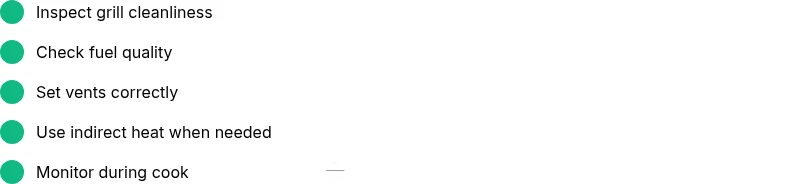
- Identify normal smoke vs. abnormal smoke early.
- Keep grates and trays clean to reduce flare-ups.
- Use proper venting and indirect heat for fatty foods.
- Dry, fresh fuel minimizes smoke during ignition.
- The Grill Cooking team recommends routine maintenance to prevent smoky surprises.