How to Get Rid of a Grill: Safe, Responsible Disposal
Learn safe, responsible methods to dispose of a grill—donation, recycling, or proper disposal—with practical steps for gas, charcoal, and electric grills.


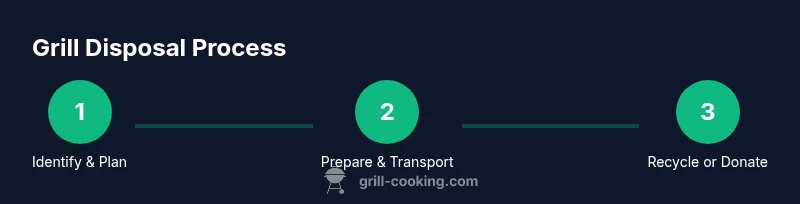
Here’s how you safely get rid of a grill: assess what you have (gas, charcoal, or electric), check local disposal rules, and choose between recycling, donation, resale, or proper landfill disposal. Gather essential tools, plan a step-by-step haul, and prioritize safety to prevent leaks, sharp edges, or injuries during removal.
Why Getting Rid of a Grill Safely Matters
Disposing of a grill improperly can create safety hazards and environmental damage. Whether your unit is gas, charcoal, or electric, the disposal path matters for your neighborhood and the planet. If you’re curious about the best approach, you’re in the right place. How to get rid of a grill safely starts with understanding local rules and choosing a route that minimizes waste. According to Grill Cooking, thoughtful disposal reduces risk, saves resources, and supports community programs. A well-planned removal also protects you from injuries during transport and prevents hazardous residues from entering landfills. Start by outlining your grill’s type, its condition, and any removable fuel components before you decide on recycling, donation, or resale.
- First, identify the grill type: gas, charcoal, or electric. Each type has different disposal pathways.
- Next, check local regulations and municipal guidelines for appliance disposal.
- Finally, pick a route that maximizes reuse or recycling and minimizes environmental impact.
This initial step sets the tone for the rest of the process and helps you avoid common pitfalls such as improper tank handling or missing curbside rules.
Different Grill Types and Disposal Considerations
Gas grills have propane tanks that often require special handling and must be emptied and disposed of at approved facilities. Charcoal grills are typically metal and suitable for metal recycling, but any charcoal remains or waterlogged coals must be cooled and disposed of safely. Electric grills involve electrical components and may be treated as scrap metal or appliance recycling. The key is to separate components appropriately: tanks, burners, and electronics may have different disposal streams. Before you commit to a method, verify whether your local recycling center accepts each component and whether a donation option is realistic based on the grill’s condition. In some cases, even a non-working grill can yield value through scrap metal recycling or donation to community programs that repurpose parts.
- Gas: secure the propane tank and arrange for proper disposal; many centers will not accept tanks that are not empty.
- Charcoal: remove ashes, sort metal parts, and consider metal recycling.
- Electric: detach batteries or electronics for separate recycling streams where applicable.
Understanding these distinctions helps you pick the most responsible path and reduce waste from failed grills or outdated units.
Local Regulations and Responsible Options
Disposal rules vary by city and region, so start by contacting your municipal waste authority or checking their website for appliance disposal guidance. Many areas have designated drop-off events or year-round recycling centers for large appliances. If a nearby center accepts your grill, bring all detachable parts and ensure any fuel components are safely stored and transported according to rules. Donations are another strong option: if the grill is refundable or repairable, local charities or community workshops may welcome it. When in doubt, choose recycling over landfill unless the appliance is beyond repair and cannot be safely recycled. Grill Cooking emphasizes following local guidelines to keep neighborhoods safe and resources intact.
- Look up your jurisdiction’s appliance recycling program.
- If donation is possible, contact local charities to confirm acceptance.
- Do not mix hazardous components with regular household trash.
Following local rules not only protects you but also supports broader environmental goals and community programs.
Preparing the Grill for Disposal
Preparation reduces handling risks and makes the process smoother. Start by disconnecting all fuel lines and removing any propane tanks if present. Do not bring a filled tank inside a vehicle or house; transport it to a certified drop-off location. Drain and dry any reservoirs or fuel lines as required by local guidelines, and remove ignition systems or electrical components where necessary. Clean the grill exterior to minimize exposure to rust and grime, which helps recycling facilities process the metal and parts more efficiently. For safety, wear heavy gloves and eye protection when handling sharp edges and hot surfaces. Secure the lid and any loose components with bungee cords or tape to prevent damage during transport.
- Verify the tank is empty and stored safely before moving.
- Disconnect electrical or gas connections per manufacturer instructions.
- Use protective gear to avoid cuts and burns during handling.
Recycling, Donation, or Selling: Choosing the Best Route
If the grill is still usable, selling or donating is ideal to extend its life and reduce waste. Check online marketplaces or local thrift programs for pickups and donations. If the unit is non-functional but recyclable, take it to a metal recycling facility where clean steel and aluminum components can be recovered. Recycling often yields better environmental results than landfilling, especially for metal frames and stainless components. If resale or donation isn’t possible, arrange for proper bulky waste pickup through your city’s program. In all cases, separate hazardous elements such as propane tanks and electronics and transport them to appropriate destinations.
- Prioritize donation or resale if the grill is repairable.
- Use designated recycling centers for metal parts and appliances.
- Keep receipts or proof of recycling for community programs when applicable.
How to Transport a Grill Safely
Transport safety starts with securing the grill to prevent shifting during transit. Use a sturdy tarp or blankets to protect the grill’s surface and to avoid scratches on your vehicle. Remove or secure loose knobs and lids and place them in a box labeled with contents. If the grill is heavy, recruit a helper or use a dolly or cart designed for large items. Drive slowly, avoid sudden stops, and never block your view with large items. For propane tanks, keep them upright and away from heat sources and flames, transporting them in a ventilated area away from passengers. Unload at the disposal or donation site in a controlled manner.
- Use proper lifting technique to protect your back.
- Keep a clear path and have a helper if needed.
- Do not stack other items on top of the grill during transport.
What to Do with Propane Tanks and Charcoal
Propane tanks require special handling and must be taken to an approved collection site. Do not attempt to puncture or vent tanks yourself; many areas have dedicated refill or exchange programs that also accept empty tanks. Charcoal and ash should be cooled completely before disposal; transfer cooled ashes to a metal container with a tight lid to prevent moisture and pests. Do not dispose of charcoal in regular trash if your local rules require recycling or composting. If you’re unsure, contact your local waste authority for guidance and recommended drop-off locations. Handling these components correctly protects people, pets, and the environment.
- Confirm tank status with the collection site before transport.
- Ensure charcoal ashes are fully cooled before disposal.
- Keep containers sealed and labeled to avoid leaks.
Cleaning and Decontamination Best Practices
Before disposal, give the grill a thorough clean to make it more appealing for donation and easier to recycle. Scrub the exterior with warm water and mild soap, rinse, and dry completely. Remove detachable parts such as grills, grates, and warming racks for separate cleaning and recycling. For burnt-on grease, use a non-abrasive cleaner and a soft brush to avoid scratching surfaces. Never use highly corrosive cleaners on stainless steel. After cleaning, inspect all components for rust or damage that would prevent recycling. Document any repairs or parts that could be salvaged if you plan to resell or donate the unit. A well-cleaned grill also prevents pests and odors during storage and transport.
Final Checklist Before Disposal
Before you depart, double-check that all fuel sources are removed or neutralized, components are detached as required, and the grill is properly secured for transport. Confirm whether local facilities accept the grill and its parts, and ensure you have proof of disposal or donation as needed. Take photos of the grill for your records and for any donation or resale listings. Finally, recycle or dispose of any remaining waste responsibly, ensuring no hazardous materials are left behind. By following these steps, you’ll complete the process efficiently and minimize negative environmental impact.
Tools & Materials
- Sturdy work gloves(Leather or reinforced fabric; protects hands from sharp edges.)
- Safety glasses(Shield eyes from rust flakes and debris.)
- Heavy-duty tarp or drop cloth(Protect surfaces and vehicle interiors during transport.)
- Screwdriver/pliers(Assist in removing knobs or fasteners.)
- Dolly or appliance cart(Eases movement of a heavy grill.)
- Zip ties or bungee cords(Secure lid and loose parts for transport.)
- Label maker or tape + marker(Label parts destined for recycling or donation.)
- Plastic bags or metal container for ashes(Contain cooled charcoal ashes safely.)
- Flashlight or headlamp(Improve visibility in dim disposal sites.)
Steps
Estimated time: 2-4 hours
- 1
Identify grill type and rules
Determine whether your grill is gas, charcoal, or electric and research local disposal requirements. This guides whether you remove a propane tank, separate metals for recycling, or pursue donation options. Take a quick inventory of detachable parts to plan the next steps.
Tip: Call ahead to confirm accepted forms of bulky waste or metal recycling with your local facility. - 2
Disconnect fuel and power
Safely disconnect any gas supply and remove the propane tank if present. Do not transport a filled tank; follow local guidance for tank disposal or exchange. If the grill uses electricity, unplug and detach any cords or battery packs and set aside for electronics recycling.
Tip: Never puncture or attempt to vent a propane tank yourself; use an approved collection point. - 3
Decide disposal route
Choose between recycling, donation, or resale based on the grill’s condition. If the unit is repairable, donate or sell; otherwise, recycle metal components at a metal recycler and dispose of non-recyclable parts through approved channels.
Tip: Document the condition and take photos for donation or resale listings. - 4
Prepare for transport
Secure all loose parts, protect the surface with a tarp, and remove or secure knobs, lids, and racks. Use a dolly for heavy grills and ensure nothing interferes with visibility while driving.
Tip: Wrap sharp edges to prevent punctures in transit and avoid damaging your vehicle. - 5
Transport to disposal or donation site
Take the grill to the selected facility or schedule a bulky item pickup if available. Ensure propane tanks are handled separately and transported upright in a ventilated space. Obtain a receipt or proof of disposal when possible.
Tip: Avoid leaving a bulky item unattended on the curb to prevent theft or weather damage. - 6
Post-disposal cleanup
Clean the grill surfaces thoroughly, separate components for recycling, and store or recycle any leftover fuel or electronics according to guidelines. Keep documentation for your records and for any future inquiries.
Tip: A clean, well-documented disposal helps improve furniture or appliance recycling rates.
FAQ
Can I recycle a metal grill at my local recycling center?
Many metal grills are accepted by recycling centers if they are disassembled and free of hazardous components. Check with your center about metal recycling guidelines and whether they accept large appliances. Always separate propane tanks and electronics before dropping off.
Yes, many centers will recycle metal grills when disassembled and free of hazardous parts. Check with your local center for guidelines and separate any propane tanks and electronics first.
What should I do with a propane tank?
Propane tanks should be emptied at an approved collection site or exchanged through a certified program. Do not transport full tanks or puncture them. If the tank is empty, you may still need to take it to a disposal site as required by local rules.
Take propane tanks to an approved collection site or exchange program. Do not transport full tanks or puncture them.
Is it okay to donate a used grill?
Donating a usable grill is a great option that extends its life and reduces waste. Check with local charities or community kitchens to confirm acceptance and transport requirements. Include any usable parts and provide a brief description of condition.
Yes, if the grill is usable, donate it to a charity or community group that can reuse it. Confirm acceptance and transport details with the organization.
What about charcoal and ashes?
Allow charcoal to cool completely, then transfer ashes to a metal container for disposal according to local rules. Do not place hot charcoal into plastic bags or regular trash. If in doubt, contact your local waste authority.
Let charcoal ashes cool, then dispose of them in a metal container as directed by local rules. Do not bag hot charcoal.
Can I resell an old grill?
Reselling a functional grill is possible through local marketplace platforms or community groups. Provide clear photos, describe condition accurately, and disclose any known issues. If it’s beyond repair, focus on recycling options instead.
You can try selling a working grill with good photos and honest condition notes. If it’s not repairable, consider recycling.
What if my grill is electric and not working?
Electric grills with functional electronics are often recyclable as appliances. Remove any batteries and dispose them separately per local rules. If the unit is non-functional, check with local electronics recycling programs for guidance.
If your electric grill isn’t working, recycle the electronics and dispose of the rest as directed by your local program.
Watch Video
Quick Summary
- Assess grill type first to choose disposal path
- Separate hazardous components and follow local rules
- Donating or recycling is preferred over landfilling
- Secure and transport safely to avoid injuries
- Document disposal for records and accountability