Red Snapper on the Grill: Mastering Juicy, Flavorful Fish
Master red snapper on the grill with crisp skin and juicy flesh. This guide covers selecting fish, prep, heat management, and step-by-step grilling methods for skin-on or filleted fillets.


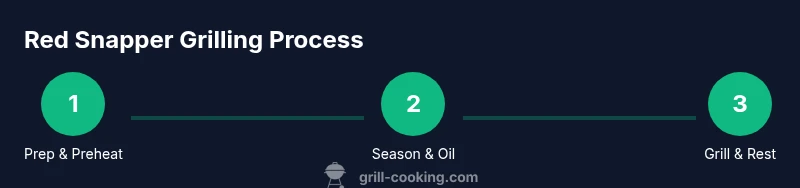
You’ll learn how to grill red snapper for a crisp skin and tender, flaky flesh. This guide covers selecting fresh fish, prep and marinade options, heat management for indirect grilling, and precise timing for skin-on fillets or skinless steaks. Follow these steps to achieve restaurant-quality results on your grill. With the right technique you’ll maximize sweetness from the fat and keep the fish juicy.
Why red snapper on the grill shines
Red snapper on the grill delivers a bright, clean flavor that pairs with citrus, herbs, and olive oil. When grilled correctly, the firm flesh holds together under heat, the skin crisps, and the meat stays moist near the bones. According to Grill Cooking, fish at the right temperature and gentle handling result in a dinner that feels both light and indulgent. For home cooks, this fish is forgiving if you avoid overcooking: a few minutes per side for fillets, longer for whole fish kept on the bone. The key is planning: pat dry, oil the skin, and monitor the grill so the outside browns without scorching the interior. The goal is tension between a crisp exterior and a tender, almost buttery interior, with the skin acting as a natural shield that seals in juices.
Choosing fish and prepping for grill
Selecting the right fish sets the stage for success. Look for bright eyes, firm flesh, and a clean scent. If buying whole red snapper, ensure the cavity is intact and the scales are gleaming. For fillets, choose skin-on options for better moisture retention and easier searing. Before cooking, rinse quickly, pat dry with paper towels, and remove any remaining gill or fins. Patting dry is essential to crisp skin, and a light coat of oil helps the skin release cleanly from the grate. If you plan to stuff or stuff the cavity in a whole fish, keep the stuffing light to avoid soggy results.
Marinades and seasoning ideas
Red snapper loves bright, citrusy notes and gentle herbs. A simple marinade of olive oil, lemon juice, garlic, and thyme works well, but avoid aggressive marinades that overpower the delicate flesh. If you prefer a rub, try a light blend of smoked paprika, white pepper, and sea salt. Apply oil to the skin side before seasoning to help adhesion, then rest the fish for 10-15 minutes to let flavors meld. For a quicker approach, a squeeze of fresh juice at the end brightens the dish without compromising texture.
Tools and setup for grilling red snapper
A clean, well-preheated grill is your best ally. Use a heavy-duty grill brush to scrub the grates, then oil them lightly to prevent sticking. A cast-iron skillet or a fish basket can simplify turning, especially for fillets. Keep a digital thermometer handy and have a long spatula and tongs ready for delicate flipping. If grilling whole fish, consider stuffing with lemon slices and herbs to perfume the meat. For skin-on fillets, start skin-side down to achieve an appealing crisp and to protect the delicate flesh during the initial sear.
Direct-heat vs indirect-heat methods
Two approaches work well for red snapper. For fillets with skin, begin over direct heat to crisp the skin, then move to indirect heat to finish without overcooking. For whole fish, you can sear the exterior over direct heat and finish with indirect heat, or place the fish on a tray away from the flame and cook slowly. A grill basket or aluminum foil makes it easier to handle fragile fillets. The choice depends on the grill setup and the thickness of the fish.
Temperature targets and timing
Grill temperature matters as much as time. Aim for a medium-high grill (roughly 375-425°F) and adjust based on your equipment. Fillets typically cook faster than whole fish, so monitor closely. A general guideline is to cook fillets 4-6 minutes per side until the flesh is opaque near the center. Whole red snapper may require 12-18 minutes, depending on thickness; check for firm texture and flakes easily with a fork. Use a thermometer or the finger-test method if you don’t have one handy, and avoid overcooking, which makes the meat dry and tough.
Finishing touches and serving ideas
When the fish comes off the grill, rest it briefly to let juices redistribute. A drizzle of extra-virgin olive oil, a squeeze of lemon, and fresh herbs brighten the flavor without masking the fish’s natural sweetness. Serve with a light salsa of mango or tomato-cucumber relish, or pair with grilled vegetables and a simple green salad. Leftover red snapper stores well in the fridge for 2-3 days and can be flaked into salads or tacos. If serving skin-on, consider crispy skin chips on the side as a playful garnish.
Troubleshooting and common mistakes
Common errors include overcooking, which dries the flesh and makes the skin rubbery, and sticking due to insufficient oil or a hot grate. Pat the fish dry, oil the skin, and keep the grill clean to prevent sticking. If the skin sticks, resist the urge to turn early; let a crust form, then flip gently. For thicker fillets or whole fish, use indirect heat to finish without scorching. If your fish seems bland, add a light finishing salt and a spritz of citrus to bring brightness.
Tools & Materials
- Red snapper (whole or fillets)(Fresh, scaled/gutted; skin-on preferred for moisture)
- Sharp filleting knife(12-inch blade for clean cuts)
- Kitchen towels or paper towels(Pat dry thoroughly)
- Tongs and fish spatula(Support delicate turning)
- Grill brush(Clean grates before cooking)
- Cast-iron skillet or fish basket(Optional helper for turning delicate fillets)
- Digital thermometer(Check internal temperature without guessing)
- Oil spray or neutral oil(Lightly oil skin to prevent sticking)
- Aluminum foil (optional)(For loose protection on uneven grills)
Steps
Estimated time: 25-40 minutes
- 1
Preheat the grill and clean the grates
Start by preheating the grill to a medium-high heat (about 375-425°F). Clean the grates with a stiff brush to remove any residue. Preheating and clean grates reduce sticking and ensure even browning.
Tip: Pro tip: a clean, hot grate forms a crust quickly, which helps the fish release easier. - 2
Pat dry and oil the fish
Pat the fish completely dry with towels. Lightly oil the skin side to help crisp and prevent sticking. For fillets, keep the skin intact to act as a natural shield during cooking.
Tip: Pro tip: moisture is the enemy of browning; dry surface equals better sear. - 3
Season or marinate lightly
Season with a simple salt-and-pepper or a light citrus-herb rub. If marinating, keep it short (10-15 minutes) to avoid overpowering the delicate flesh.
Tip: Pro tip: oils help carry aromatics; avoid acidic marinades that linger too long. - 4
Position and start with skin-side down
Place fillets skin-side down on the hot grate or in a heated basket. Let the skin crisp without moving, which helps release the fish cleanly.
Tip: Pro tip: resist the urge to flip early; a good crust forms in 2-4 minutes. - 5
Flip if needed and move to indirect heat
If cooking whole fish, sear all sides quickly, then transfer to indirect heat to finish through gentle heat. For fillets, flip once and move to indirect heat if the center looks underdone.
Tip: Pro tip: use a wide spatula or fish basket for stability during turning. - 6
Check doneness and rest
Check with a thermometer or by texture: flesh should be opaque and flake easily. Remove from heat a touch before fully done as carryover heat finishes the job.
Tip: Pro tip: rest fish 3-5 minutes to redistribute juices. - 7
Finish with a bright finish and serve
Finish with a light squeeze of citrus and a drizzle of high-quality oil. Serve with fresh herbs and a simple side dish to complement the fish's flavor.
Tip: Pro tip: a quick mango or tomato relish adds color and balance. - 8
Store leftovers safely
Cool promptly and refrigerate in a shallow container. Use leftovers within 2-3 days; reheat gently to keep moisture.
Tip: Pro tip: gently flake and reheat with a splash of broth or lemon juice.
FAQ
Should I grill red snapper with skin on or off?
Skin-on helps protect the flesh and creates a crisp exterior; skinless fillets cook fastest but risk drying out if overhandled.
Skin-on helps protect the flesh and creates a crisp exterior; skinless fillets cook faster but can dry out if overcooked.
Is red snapper suitable for beginner grillers?
Yes. Start with skin-on fillets to build confidence, keeping heat steady and flipping minimally.
Yes. Start with skin-on fillets and steady heat to build confidence.
Can I grill whole red snapper without stuffing?
Yes. If unstuffed, keep the cavity clean and cook slowly over indirect heat to avoid scorching.
Yes, cook slowly over indirect heat if not stuffing.
How can I prevent sticking?
Preheat the grill, pat dry the fish, and oil the skin; avoid moving the fish too early.
Preheat, pat dry, oil the skin, and let a crust form before turning.
What side dishes pair well with grilled red snapper?
Citrus salads, grilled vegetables, quinoa, and light greens complement the fish's brightness.
Citrus salads, grilled veggies, and light grains complement the fish.
How should I store leftovers?
Refrigerate promptly and consume within 2-3 days; reheat gently to maintain moisture.
Refrigerate promptly and reheat gently to keep moisture.
Watch Video
Quick Summary
- Prepare fish with dry skin for browning.
- Use direct heat to start, then indirect heat to finish.
- Patience and minimal handling preserve texture.
- Finish with citrus to brighten flavor.
- Rest briefly before serving for juiciness.