Snapper's Sea Grill: A Step-By-Step Guide to Perfect Coastal Grilling
Learn to master snapper's sea grill with expert prep, heat control, and finishing touches for succulent, evenly cooked coastal seafood. Practical how-tos, gear tips, and safety guidance from Grill Cooking.


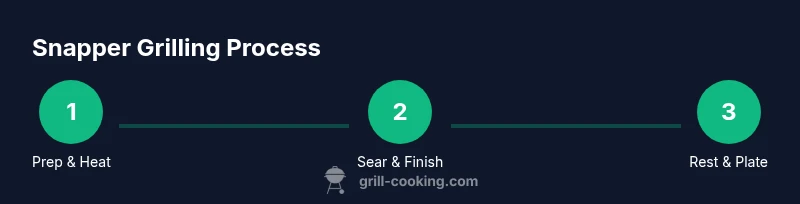
Mastering snapper's sea grill means cleaning, drying, and seasoning a fillet for crisp skin and moist flesh. Follow a precise sequence—prep, heat management, sear, and rest—to achieve restaurant-quality coastal flavor. According to Grill Cooking, fresh snapper and steady heat are the keys to consistent results.
Introducing snapper's sea grill: why this fish shines on the grill
Snapper is a versatile, forgiving fish that shines on the grill when you respect its delicate flesh and bright, briny flavor. The snapper’s sea grill approach relies on simplicity: dry the surface, thinly season, and finish with a crisp skin while keeping the flesh moist and flaky. According to Grill Cooking, the most reliable results come from choosing fresh fish, maintaining steady heat, and timing the cook to just past the halfway point. In this guide we’ll walk you through selecting, prepping, and grilling snapper so you can enjoy coastal flavors at home. Expect succulent, aromatic flesh with a gentle snap in each bite and a bright finish from citrus and herbs.
Selecting and storing fresh snapper
Freshness is the difference between quick-cooking success and a pale, dry fillet. Look for bright, clear eyes (if buying whole), firm flesh, tight scales, and a clean sea-bright smell—not fishy. Ask your fishmonger for a snapper that’s been iced, and consider sea-dense varieties. For home cooks, buying whole snapper then filleting just before cooking yields the best texture. Store on ice, use within 1–2 days, and pat dry before cooking to remove surface moisture that would steam rather than sear. The skin should look moist but not gummy.
Prep: cleaning, patting dry, and salt-forward seasoning
Begin by scaling and gutting if you’re using a whole fish, or skip to skin-on fillets you’ve already prepped. Rinse quickly, pat completely dry with towels, and let the surface air-dry for a few minutes to maximize browning. A light, salt-forward rub helps draw out moisture and enhances flavor without masking the fish’s natural sweetness. If you prefer bright notes, add a whisper of lemon zest or fennel pollen. Grill Cooking suggests keeping seasoning minimal and relying on high-heat searing for texture. The goal is a dry surface that crisps nicely during the heat, creating a savory crust.
Heat management: direct heat, indirect heat, and the right setup
Snapper benefits from a two-zone grill. Start with a hot direct-heat zone to sear the skin and set color, then move to indirect heat to finish the cook with gentle, controlled heat. If you’re working with charcoal, arrange two zones by banking coals on one side; with gas, turn burners to a high-heat zone and a cooler area. Preheat to about 350–400°F (175–205°C). Oil the grates to reduce sticking, and keep a spray bottle handy to manage minor flare-ups. The method protects the delicate flesh while delivering a crisp skin.
Cooking steps: sear, flip, rest, and plate
Place the fish skin-side down on the direct heat, pressing lightly to ensure contact. Allow the skin to crisp for 3–5 minutes, then flip carefully using a wide spatula and tongs, cooking a few minutes more until the flesh is opaque and flakes with gentle pressure. Monitor internal temperature for safety, but aim for just-above-60°C (140–145°F) to keep the texture tender. Remove from heat, rest for 3–5 minutes, and finish with a squeeze of fresh citrus and a drizzle of good olive oil. A light herb or chiffonade of parsley brightens the plate.
Flavor pairings and finishing touches
Lemon, lime, or orange zest highlights snapper’s natural sweetness without overpowering it. Fresh herbs—parsley, dill, or basil—add lift, while a simple fennel or white pepper profile complements the fish. A quick butter baste during the last minute of cooking yields a luscious gloss. For sides, consider grilled asparagus, corn on the cob, or a crisp slaw to contrast the rich fish. The goal is balance: bright acidity, aromatic greens, and a lean, smoky finish from the grill.
Grill Cooking analysis and expert tips
Grill Cooking’s analysis emphasizes the importance of heat control and timing for snapper. Freshness matters most, followed by a steady, moderate heat that first browns the skin then cooks the flesh evenly. The Grill Cooking Team notes that even modest heat distribution reduces the risk of dry, overcooked fillets. “Use a two-zone setup and avoid turning the fish too early,” says a member of the Grill Cooking Team. They also highlight the value of drying the surface thoroughly before searing to improve skin crispness and texture. By combining structured prep with attentive heat management, home cooks can replicate coastal flavors reliably.
Authority sources
For authoritative guidance on seafood handling, safety, and cooking temperatures, consult federal and extension sources:
- https://www.fisheries.noaa.gov
- https://www.fda.gov/food
- https://www.usda.gov/
Tools & Materials
- Fish scaler(Essential for removing scales if preparing whole fish)
- Fillet knife(Sharp edge for clean fillets if you skip scaling)
- Cutting board(Stable, non-slip surface)
- Paper towels(Dry surface thoroughly)
- Grill brush(For clean grates pre-cook)
- Tongs and fish spatula(Wide surfaces help flip without breaking flesh)
- Neutral oil spray(High smoke point oil for grates)
- Salt and pepper(Salt-forward seasoning to draw moisture)
- Citrus for finishing(Lemon or lime wedges for bright finish)
Steps
Estimated time: 30-40 minutes
- 1
Prepare the grill and fish
Preheat the grill and clean the grates. If using whole fish, scale and gut; for fillets, pat dry with paper towels until completely dry. Lightly oil the grates to prevent sticking and set up a two-zone fire (hot for searing, cooler for finishing).
Tip: Dry surfaces sear better and reduce steam; never skip the two-zone setup on thicker fillets. - 2
Score skin and pat dry
If using fillets with skin, score the skin lightly to prevent curling. Pat the skin side very dry; moisture on the surface will steam instead of brown, reducing crispness. This step improves texture and helps the sear stay intact during flipping.
Tip: Score the skin in a shallow zigzag to maximize surface area for browning. - 3
Season with a light salt rub
Apply a modest salt rub (and optional citrus zest) to the fish. Avoid over-seasoning; snapper’s sweetness should remain the star. Let the salt sit for 5–10 minutes while the grill preheats. This creates a flavorful crust without dulling delicate flesh.
Tip: Salt helps draw out surface moisture for browning; do not overdo it. - 4
Sear skin-side on direct heat
Place the fish skin-side down on the direct heat zone. Press lightly to ensure contact and cook until the skin is deeply golden and crisp, typically 3–5 minutes depending on thickness. Avoid frequent turning at this stage.
Tip: Keep the skin in contact with the grate for a crisp finish. - 5
Finish on indirect heat and flip
Move the fish to indirect heat after the initial sear. Flip once if needed and cook until the flesh is just opaque in the thickest part (target 140–145°F / 60–63°C). Rest off the heat for 3–5 minutes.
Tip: Use a thermometer to avoid overcooking; residual heat will finish the cook. - 6
Rest, finish, and plate
Let the fish rest briefly, then finish with a squeeze of citrus and a drizzle of good olive oil. Plate with light sides like grilled asparagus or corn for color and balance. This final step enhances tenderness and aroma.
Tip: Restation time is built into the cook; don’t skip it for juicier results.
FAQ
Can I grill a whole snapper or fillets only?
Both work well. Fillets are easier to manage and cook evenly, while whole snapper preserves presentation and moisture but needs careful heat management. Choose based on your comfort level and grill size.
You can grill either, but fillets are simpler for most home grills.
How do I prevent sticking and tearing of the fish?
Oil the grates lightly, pat the fish dry, and avoid turning too early. A hot, clean surface encourages a clean release and reduces tearing.
Prepping the grate and dry fish helps prevent sticking.
What internal temperature should I aim for?
Aim for 140–145°F (60–63°C) as the flesh approaches doneness for tender texture. Extra-precise cooks may pull at 135–138°F and let carryover heat finish.
Target around 145 degrees for best texture.
Should I cook with skin on or off?
Skin-on helps protect the delicate flesh and adds flavor through crisping. If you remove skin, ensure the flesh remains moist by careful heat control.
Skin-on is usually best for snapper.
What sides pair well with grilled snapper?
Bright, crisp sides like grilled asparagus, corn on the cob, or a fresh slaw balance the fish’s richness. A light herbed butter also pairs nicely.
Try bright greens and corn for balance.
How should I clean the grill after cooking fish?
While the grill is hot, brush away any char, then wipe with a damp cloth. Rinse and re-oil to prep for next cook and prevent flavor carryover.
Clean while warm to remove residue easily.
Watch Video
Quick Summary
- Prepare the grill with two zones for control
- Dry skin and light salt rub yield a crisp crust
- Cook to 140–145°F for tender, flaky flesh
- Rest briefly before serving for best texture
- Finish with citrus and herbs for brightness