How to Make Grilled Fish: The Complete Step-by-Step Guide
Learn how to grill fish to perfection with simple prep, seasoning, precise heat, and timing. A practical, beginner-friendly guide from Grill Cooking. Pro tips.


By the end of this guide you will be able to grill fish to a flaky, tender finish with a crisp exterior. Learn how to select fish, prep and season, preheat and oil the grill, manage direct and indirect heat, and rest briefly before serving. This guide on how to make grill fish emphasizes choosing sturdy varieties that translate well to high heat and quick cooking. This approach works for salmon, tilapia, halibut, and more.
Choosing the Right Fish for Grilling
For best results, start with fish that holds up to high heat. Salmon, swordfish, halibut, sea bass, and mahi-mahi are popular choices because their flesh is firm and resilient. If you're cooking whole fish, choose a fish with a manageable thickness; fillets are easier to handle on a crowded grill. When selecting fish from a market, look for clear eyes if buying whole, bright gills, and firm, moist flesh. If you buy frozen fillets, thaw slowly in the refrigerator and pat dry before seasoning. Skin-on fillets help prevent sticking and protect delicate flesh during searing. The Grill Cooking team recommends starting with skin-on, thick fillets to maximize flavor and keep the meat juicy. This guide on how to make grill fish emphasizes choosing sturdy varieties that translate well to high heat and quick cooking.
Freshness and Sourcing
Freshness is the foundation of good grilled fish. If you buy fillets, check for a mild neutral smell rather than a fishy odor. For whole fish, look for clear, bright eyes, red or pink gills, and taut, shiny skin. A fish that feels firm and springs back when pressed is a sign of quality. Store fresh fish on ice or in the coldest part of the fridge and cook it within one day if possible; otherwise freeze if you need to wait. The quality of your fish determines how forgiving other steps will be, from seasoning to timing. According to Grill Cooking, sourcing responsibly harvested seafood improves flavor and texture across the board.
Preparing and Marinades
A simple, effective approach is a light dry rub or a citrus herb finish. Mix sea salt, black pepper, and a hint of lemon zest or orange zest, then pat onto the fish just before cooking. If you prefer a marinade, keep it light and brief—most fish only needs 10–20 minutes. Acidic marinades can start to cook the surface if left too long. For extra flavor, add garlic, fresh herbs, or a splash of olive oil. Remember that a balanced salt and citrus profile enhances the natural sweetness of the fish without overpowering it. This is an ideal moment to apply the how to make grill fish concept with sensitivity to texture and moisture.
Dry Brine and Moisture Management
Dry brining is a simple way to boost juiciness and crust. Lightly salt the fish and let it rest for 15–20 minutes in the refrigerator uncovered if possible, then pat dry before grilling. A dry surface helps sear faster and reduces moisture loss. If you’re short on time, a short salt rub right before cooking is also effective. During resting, the salt works its way into the flesh, helping flavor throughout and creating a more even crust.
Preheating and Grill Setup
Preheat your grill to a steady medium-high range, about 375-425°F (190-218°C). A two-zone setup works well: direct heat for a quick sear and indirect heat to finish cooking gently. Oil the grates lightly or spray with non-stick, and brush the fish with a thin coat of oil to reduce sticking. If you’re using skin-on fillets, place them skin-side down first to protect the meat and render some fat. A properly heated grill creates a crisp exterior while keeping the interior moist, which is essential for how to make grill fish. Grill Cooking analysis shows that a controlled two-zone setup improves evenness of doneness.
Direct vs Indirect Heat: When to Use Each
Direct heat delivers a fast sear and smoky crust, ideal for thinner fillets. Indirect heat finishes thicker portions and skin-on fish without burning. For most fillets, start with 1–2 minutes per side over direct heat to develop color, then move to indirect heat for 4–6 minutes more, depending on thickness. Always flip once to preserve moisture and avoid tearing the flesh. If using a fish with delicate flesh, keep the lid closed to maintain even temperature. This two-stage approach aligns with best practices in grill mastery and supports the how to make grill fish goal.
The Flip, Sear, and Finish
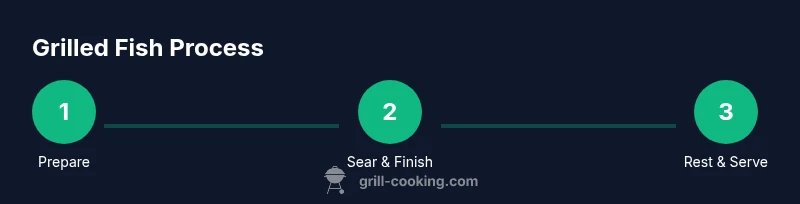
Use a long, wide spatula or tongs to flip gently when the fish releases from the grate. Sear each side just until you see a crust form, typically 1–3 minutes per side depending on thickness. After flipping, finish on indirect heat and monitor, so the flesh reaches 145°F (63°C). Resist the urge to move the fish around the grill too much; this interrupts proper searing. For best flavor, finish with a squeeze of lemon and fresh herbs. This step highlights the critical balance between timing and texture.
Finishing Techniques and Rest
Once the fish reaches the target internal temperature, remove it from the grill and let it rest for 2–3 minutes under loose foil. Resting lets the juices redistribute and yields a steadier slice. If the skin is crisp, you can crack a final pinch of salt or a light brush of olive oil. Present with lemon wedges or a quick herb dust to brighten the plate, and serve immediately for best texture. Resting is often overlooked but dramatically improves mouthfeel and moisture.
Troubleshooting and Common Mistakes
If the fish sticks, ensure the grill grates are well oiled and the surface is dry. Overcooked fish becomes dry and tough; use a thermometer to remove from heat at 145°F and let carryover finish to 145°F. Thin fillets cook quickly, so adjust heat and time to avoid breaking apart. For skewered or small pieces, consider using a grill basket to prevent loss through grates. Finally, avoid heavy marinades that water down the natural flavor and keep the skin intact for a protective barrier.
Tools & Materials
- Grill (gas or charcoal)(Preheat to 375-425°F (190-218°C) for best sear and doneness.)
- Fish fillets or whole fish (skin-on preferred)(Pat dry before seasoning; skin-on improves protection and flavor.)
- High-heat cooking oil or spray(Lightly oil the fish and the grates to prevent sticking.)
- Long spatula or grill tongs(Use to flip delicate fillets without breaking them.)
- Digital thermometer(Check for 145°F (63°C) to ensure doneness.)
- Lemon wedges and fresh herbs(For finishing brightness and aroma.)
- Brush for light marinade (optional)(Useful for applying oil or citrus-based glaze.)
- Paper towels and plate(Pat dry and rest the fish on towels after cooking.)
Steps
Estimated time: 40-50 minutes
- 1
Prepare fish and workspace
If needed, thaw the fish, rinse quickly, and pat dry. Set up your station with towels, utensils, and a clean cutting board. This keeps your workflow smooth and minimizes contamination.
Tip: Have all ingredients measured and ready before you heat the grill. - 2
Pat dry and oil the fish
Pat the fish dry thoroughly to promote a good sear. Lightly brush or spray with oil, then season evenly with salt, pepper, and optional citrus zest or herbs.
Tip: A dry surface improves browning and crust formation. - 3
Preheat the grill and oil the grates
Preheat to 375–425°F (190–218°C) and oil the grates lightly to prevent sticking. If using skin-on fillets, place skin-side down first for protection and to render fat.
Tip: A two-zone setup helps control doneness without overcooking. - 4
Season the fish
Evenly season the fish with salt and pepper or a light dry rub. If using citrus, apply zest for aroma but avoid heavy marinades that dull the fish flavor.
Tip: Keep seasoning simple to let the fish flavor shine. - 5
Sear over direct heat
Place fish on direct heat with the skin side down when applicable. Sear for 1–3 minutes to develop color and crust without overcooking the interior.
Tip: Don’t move the fish too soon; release from the grate when it naturally lifts away. - 6
Finish on indirect heat
Move to indirect heat and cook until the internal temperature reaches 145°F (63°C). This step finishes cooking gently and preserves moisture.
Tip: Keep the grill lid closed to maintain even heat. - 7
Flip and monitor doneness
Flip once using a wide spatula to avoid tearing. Monitor color and texture; the flesh should be opaque and flake easily when tested with a fork.
Tip: Use a thermometer for accuracy rather than eye alone. - 8
Rest and serve
Remove from heat and rest the fish for 2–3 minutes under loose foil. Resting redistributes juices and improves slice quality before serving with lemon and herbs.
Tip: Rest is essential for a juicy bite and even texture.
FAQ
What fish is best for grilling?
Salmon, halibut, swordfish, and firm white fish like bass hold up well on the grill. Skin-on options provide protection and help crisp the exterior.
Salmon and swordfish work great on the grill; skin-on options protect the meat and improve browning.
Should I marinate fish before grilling?
Light marinades are fine for most fish; avoid long acidic marinades as they can begin to break down the flesh. Limit marinade time to 10–20 minutes for delicate fish and a bit longer for heartier varieties.
A quick light marinade is fine, but keep it short to preserve texture.
How can I prevent fish from sticking to the grill?
Pat fish dry, brush with light oil, and preheat the grill. Oil the grates and start with skin-side down if applicable to protect the meat.
Oil the grill and the fish, and start with a dry surface for easy release.
What internal temperature indicates doneness?
Most fish is safely done around 145°F (63°C). Use an instant-read thermometer for accuracy and remove once near that target to avoid overcooking.
Aim for about 145 degrees and remove when close to it.
Can I grill fish indoors?
Yes, use a grill pan or indoor grill with good ventilation. Maintain similar heat control and watch for smoke.
Yes, indoors with a grill pan and ventilation.
How long does it typically take to grill a fillet?
Thickness drives time; a typical fillet takes about 6–10 minutes total, flipping once, depending on size and heat.
Most fillets finish in 6 to 10 minutes depending on thickness.
Watch Video
Quick Summary
- Choose firm, fresh fish for best texture.
- Preheat and oil the grill to prevent sticking.
- Sear, then finish over indirect heat for even doneness.
- Rest briefly before serving for juicier flesh.