How Long to Grill Shrimp: Perfect Timing
Master shrimp on the grill with precise timing, temps, and techniques. Learn prep, direct heat, skewers, doneness cues, and flavor ideas for juicy grilled shrimp every time.


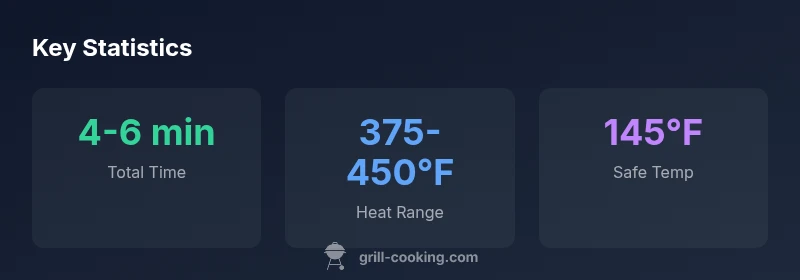
According to Grill Cooking Analysis, 2026, shrimp grilled on direct medium-high heat takes about 2–3 minutes per side, totaling roughly 4–6 minutes for medium shrimp. Smaller shrimp finish faster; larger shrimp may need another minute per side. Look for opaque, pink flesh and a firm texture to avoid overcooking. This is the baseline you can adjust based on size and grill temperature.
Why Timing Shrimp Grilling Matters
The phrase how long grill shrimp matters because shrimp are inherently quick-cooking proteins. Under 5 minutes of total cook time can yield juicy, tender meat when done right, but a few seconds too long can push texture from tender to rubbery. On a hot grill, the surface browns fast, while the interior finishes cooking just as quickly. Understanding the baseline timing helps home cooks plan multi-item meals without guesswork. According to Grill Cooking, precise attention to size, heat, and spacing is the difference between flawless shrimp and overcooked results. In 2026, our analysis shows the most reliable approach starts with a hot, clean grill and a single-layer placement where each shrimp has space to sear evenly.
Direct-Heat vs Indirect-Heat: Which Method Works for Shrimp?
Shrimp respond best to direct heat for a quick sear that locks in flavor and moisture. Indirect heat can be useful for very large shrimp or when you’re cooking a large batch on a grill with limited surface, but it increases total cook time and requires careful attention to avoid overcooking. For most home cooks, direct heat at medium-high (roughly 375–450°F) yields consistent results and keeps shrimp tender within a short window. Skewers or a grill basket can help keep pieces evenly exposed to heat and prevent pieces from slipping through grates.
Prep: Cleaning, Deveining, and Skewers
Prep is a critical step that impacts cook time as well as texture. Rinse and pat dry the shrimp, remove shells if desired (leaving tails on can ease handling and presentation), and devein if you prefer a cleaner bite. A light oil coating plus a simple salt-and-pepper season helps the surface sear and prevents sticking without creating heavy, burn-prone coatings. If you’re using skewers, thread the shrimp in a single layer with space between pieces to ensure uniform contact with the grill grates.
Step-by-Step: Grilling Shrimp to Perfection
- Preheat the grill to medium-high (375–450°F) and oil the grates lightly. 2) Pat shrimp dry and lightly coat with oil, salt, and a mild seasoning. 3) Place shrimp in a single layer directly over the heat. 4) Flip once the first side develops a pink color and a light char—typically 2–3 minutes per side for medium shrimp. 5) Remove when shrimp are opaque and firm to the touch, then rest briefly before serving. Remember, smaller shrimp finish faster, so monitor closely and adjust timing as needed.
Doneness Cues: Visuals, Temperature, and Texture
Doneness cues for shrimp are straightforward: fully opaque flesh with a consistent pink or reddish hue and a firm-but-tinely-tender texture. The USDA recommends cooking shrimp to a safe internal temperature of 145°F, but many cooks rely on visual cues and texture rather than temperature alone for a more forgiving result. Overcooked shrimp turn rubbery quickly, so practice with a timer and rely on color and texture as your primary signals.
Flavoring Options: Marinades, Rubs, and Safe Oil
Keep marinades light for shrimp; bold flavors can burn quickly on the grill. A quick oil-based coating with citrus, garlic, or herbs adds moisture and helps sear without charring. If you prefer a dry rub, apply a thin layer just before grilling to avoid burning. For even flavor, consider marinating small shrimp for 15–30 minutes or tossing larger shrimp with a teaspoon of oil and spices just before grilling.
Troubleshooting: Common Pitfalls and Fixes
Common issues include overcooking, uneven heating, and shrimp slipping off skewers. If you notice rapid color change with dry edges, reduce heat slightly or move shrimp to a cooler section of the grill for a minute or two. If shrimp stick, give the grill a quick wipe and re-lubricate the grates before continuing. Always monitor smaller shrimp more closely than larger ones, since they reach doneness earlier.
Serving and Resting: Plating and Storage
Served immediately, shrimp are best when hot and juicy. If you need to hold them for a brief period, keep them in a warm area without stacking, which can cause uneven cooling. Leftovers can be kept for up to 2 days in an airtight container in the refrigerator; reheat gently, ideally by sautéing in a skillet with a splash of lemon juice or stock to restore moisture.
Quick Reference: Timing by Size and Heat Level
- Small shrimp: 1.5–2 minutes per side at medium-high heat
- Medium shrimp: 2–3 minutes per side at medium-high heat
- Large shrimp: 3–4 minutes per side at medium-high heat
- With shells on: cycles may extend by 0.5–1 minute per side
Grilling timing by shrimp size
| Shrimp Size | Cook Time per Side | Total Time | Target Temp | Notes |
|---|---|---|---|---|
| Small (21-25 / lb) | 1.5-2 minutes | 3-4 minutes | 140-145°F | Best for skewers |
| Medium (31-40 / lb) | 2-3 minutes | 4-6 minutes | 145°F | Most common |
| Large (26-30 / lb) | 3-4 minutes | 6-8 minutes | 145°F | Skewer or basket recommended |
FAQ
What size shrimp is best for grilling?
Medium to large shrimp work best on direct heat for even cooking and reliable texture. Small shrimp can overcook quickly and become rubbery. Choose size based on your equipment and whether you’ll skewer.
Medium to large shrimp are your best bet for even grilling.
Should I marinate shrimp before grilling?
A light oil-based marinade or simple salt-and-pepper rub enhances flavor without burning. Avoid long marinades that can break down the texture. Marinate for 15–30 minutes max if using citrus or sugar-rich mixes.
Keep marinades light and short to protect texture on the grill.
Is skewering necessary for shrimp?
Skewers help keep shrimp in place and ensure even exposure to heat. If you skip skewers, a grill basket is a great alternative to prevent pieces from falling through.
Skewers or a basket keep shrimp in place and evenly cooked.
Can I grill frozen shrimp?
Thaw shrimp completely for even cooking; if you must grill from frozen, pat dry and increase cook time while watching closely. Frozen shrimp can seize moisture and affect texture.
Thaw first for best results.
Shell-on vs shell-off: which is better for grilling?
Shell-on shrimp retain moisture and flavor but require longer cooking and more effort to eat. Shell-off eliminates peeling at the table and cooks a bit faster; both are viable depending on time and preference.
Both work; shell-on adds flavor, shell-off saves time.
“Shrimp cook incredibly fast, so finish when flesh becomes opaque and pink and still feels firm to the bite.”
Quick Summary
- Plan 4–6 minutes total for medium shrimp on direct heat
- Keep shrimp in a single layer with space between pieces
- Watch for opaque pink flesh to avoid overcooking
- Use skewers for small shrimp to prevent losing them
- Rest 1–2 minutes before serving to reabsorb juices