How to Fix Grilled Shrimp: A Practical Guide
Learn practical steps to fix grilled shrimp, prevent rubbery texture, ensure perfect doneness, and serve juicy shrimp with confidence. This educational guide covers prep, heat control, timing, and serving ideas for tasty seafood grilling.


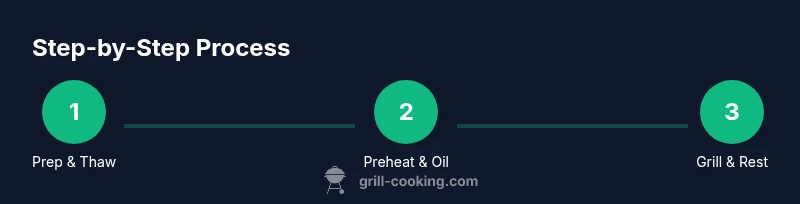
With this guide, you’ll learn how to fix grilled shrimp by diagnosing common issues and applying reliable fixes. You’ll thaw properly, pat dry, preheat the grill to medium-high, oil the grates, and grill shrimp 2-3 minutes per side until opaque. You’ll also learn seasoning, resting, and serving techniques to keep shrimp juicy and flavorful.
Why Getting Shrimp Right on the Grill Matters
Grilled shrimp can be a bright, fast-cooking protein, but it’s easy to misstep. When done properly, shrimp stay juicy, tender, and flavorful; when overcooked, they turn rubbery and tough. According to Grill Cooking, the biggest gains come from proper thawing, pat-drying, and controlling heat. In this section, we’ll explore why technique matters and how small changes yield big results. You’ll learn how to diagnose common issues and what to do to fix them during the cook.
Understanding shrimp doneness isn’t just about timing; it’s about texture, color, and aroma. By focusing on prep and heat management, you’ll see consistent results whether you’re cooking for family weeknights or a weekend grill-out.
Common Problems When Grilling Shrimp
Grilled shrimp frequently suffer from three core problems: rubbery texture from overcooking, sticking to the grate, and uneven cooking when shrimp are different sizes. Rubbery shrimp happen when heat is too high or cook time is too long. Sticking is usually due to wet surfaces and improper oiling of the grates. Uneven cooking comes from inconsistent shrimp sizes, crowded skewers, or overloading the grill.
To fix these issues, start with proper thawing, pat dry thoroughly, and control heat with each turn and move. A calm, steady flame is more forgiving than a hot, burst-like flare.
Prep and Pre-Season for Even Cooking
The foundation of perfect shrimp is solid prep. Thaw shrimp completely and pat them dry with paper towels to remove surface moisture that can steam the meat instead of searing it. If you’re using skewers, soak wooden skewers for 20 minutes to prevent burning. Lightly oil the shrimp or the skewers and apply a simple dry rub or light seasoning. Avoid heavy, sugary marinades right before grilling, as they can burn at high heat. Consistent sizing helps the grill cook evenly, so choose shrimp that are similar in size.
Grill-friendly tips: keep tails on if you want a cleaner grip, and always season to taste with salt and a bright acid like lemon to lift the flavors.
Heat, Timing, and Techniques for Juicy Shrimp
Preheat your grill to a medium-high heat, roughly 375–400°F (190–205°C). Oil the grates lightly to prevent sticking. Place shrimp on skewers or directly on the grate with space between pieces for even heat. Cook for about 2–3 minutes per side, turning once; look for opaque flesh and a pink coloration. Avoid flipping multiple times—minimal handling preserves moisture. If you use a glaze or sugar-containing marinade, start away from direct flames to prevent scorching.
Resting the shrimp for 1–2 minutes after removing from heat helps juices redistribute. If shrimp curl tightly into a tight spiral, they are overcooked and should be removed immediately. A quick pull test with tongs can indicate doneness and tenderness.
Finishing Touches and Serving Ideas
Finish with a squeeze of lemon and a scattering of chopped herbs like parsley or cilantro for brightness. Serve with a light dipping sauce or contribute a crisp salad to balance the meal. For extra flavor, drizzle a small amount of olive oil or garlic butter after cooking. If you want a smoky finish, add a moment of indirect heat at the end to lightly char the edges without overcooking the center.
Remember, simple seasonings often yield the best shrimp because the seafood itself is delicate and flavorful. A well-textured bite comes from proper prep, careful heat control, and timely rest.
Tools & Materials
- Shrimp, peeled and deveined(Tail on or off depending on serving style)
- Skewers (metal) or soaked wooden skewers(If using bamboo, soak 20 minutes prior to grilling)
- Grill (gas or charcoal)(Clean grates for better sear)
- Tongs(For safe turning without piercing shrimp)
- Paper towels(Pat dry thoroughly after thawing)
- Neutral oil (e.g., canola, grapeseed)(Lightly oil shrimp or grates to prevent sticking)
- Lemon wedges or dipping sauce(Optional bright finish)
Steps
Estimated time: 25-40 minutes
- 1
Prepare and thaw shrimp
Thaw shrimp completely if frozen, then rinse quickly and pat dry with paper towels. Remove any residual shells if not already done and ensure each shrimp is uniformly sized for even cooking.
Tip: Patting dry prevents steaming and helps achieve a better sear. - 2
Preheat the grill
Preheat to a steady medium-high heat, aiming for about 375–400°F (190–205°C). This gives a quick sear without burning the exterior before the interior cooks.
Tip: A preheated grill is key to nonstick searing; test a small piece if unsure. - 3
Skewer or space shrimp evenly
Thread shrimp onto skewers with equal spacing, or place single-layer on the grill with space between pieces. This prevents crowding and ensures even heat exposure.
Tip: If using wooden skewers, soak first to avoid flare-ups and charring. - 4
Oil and season
Lightly coat shrimp with neutral oil and season with salt, pepper, and a light aromatized rub. Avoid heavy sugary sauces until after the initial sear to prevent burning.
Tip: Oil both the shrimp and the grate for best release. - 5
Grill and flip
Place shrimp on the grill and cook for 2–3 minutes per side, turning once when the first side has a pink color and the flesh looks opaque. Remove once just cooked through to avoid rubbery texture.
Tip: Do not overflip; minimal handling preserves juiciness. - 6
Rest briefly
Let grilled shrimp rest on a plate for 1–2 minutes after removing from heat to redistribute juices.
Tip: Resting helps maintain moistness when you bite in. - 7
Finish and serve
Finish with a squeeze of lemon or a pat of herb butter, then serve with a light side or dipping sauce.
Tip: Keep garnish light to preserve the shrimp’s delicate aroma.
FAQ
What heat level is best for shrimp on the grill?
Medium-high heat (about 375–400°F) provides a quick sear without burning the exterior. This keeps the shrimp juicy and cooks the center evenly.
Medium-high heat, around 375 to 400 degrees, gives a quick sear and keeps shrimp juicy.
How can I tell when shrimp are done?
Shrimp turn pink and opaque and curl into a loose C-shape. If the center still looks translucent, they need more time.
Look for pink, opaque flesh and a loose C-shape; avoid seeing translucent centers.
Should I marinate shrimp before grilling?
A light marinade or dry rub 15–30 minutes is fine. Avoid long marination with acidic ingredients, which can break down texture and make shrimp mushy.
A short marinade is fine; don’t marinate too long with acids.
Can I grill frozen shrimp?
Best results come from thawed shrimp. If frozen, thaw completely and pat dry, as moisture on the surface can steam rather than sear.
Thaw shrimp first for best texture; frozen can steam instead of sear.
What is the safe internal temperature for shrimp?
Shrimp are safely cooked at 145°F (63°C). Use a food thermometer to verify doneness and avoid overcooking.
Aim for 145 degrees Fahrenheit with a thermometer for doneness.
How can I prevent sticking to the grill?
Ensure grates are clean and oiled, shrimp are dry, and you place them on as soon as the grill is hot. Avoid moving them too soon to allow a proper sear.
Keep the grates clean and oiled, and don’t flip too early.
Watch Video
Quick Summary
- Thaw and pat dry shrimp before grilling.
- Preheat and oil the grill to prevent sticking.
- Cook shrimp quickly, 2-3 minutes per side, and rest briefly.
- Skewers aid handling and even cooking.
- Finish with bright citrus to enhance flavor.