How to Grill Already Cooked Shrimp: A Home Cook's Guide
Learn the expert method for grilling already cooked shrimp to reheat evenly, add a bright char, and keep the shrimp juicy. This guide covers prep, heat strategy, flavor boosters, step-by-step cooking, safety, and serving ideas from Grill Cooking.


Your goal when grilling already cooked shrimp is to reheat quickly without overcooking, which dries the meat. Gather a hot grill, a light brushing of oil, and quick-flavor boosters like lemon, garlic, and fresh herbs. This approach delivers a lightly charred outside with juicy, tender shrimp and bright, summery flavor. According to Grill Cooking, the key is fast, controlled heat.
Why grilling already cooked shrimp makes sense
Grilling is a fast way to bring back some texture and brightness to shrimp that’s already cooked. The goal is to reheat evenly, reintroduce a little smoke, and create a brief, flavorful sear that enhances aroma without turning the shrimp tough or rubbery. For home cooks, this method is convenient when shrimp were prepared earlier for a meal, or when you’re making shrimp skewers and want a quick hot finish. According to Grill Cooking, controlling heat and timing is the difference between a pleasant reheated bite and a disappointingly dry chew. By using a hot, clean grill and a light oil coat, you minimize sticking and achieve a pleasant, shallow crust that complements already cooked shrimp’s tenderness.
Safety and flavor considerations when reheating seafood
Seafood is especially susceptible to drying out if overheated. Always start with fully thawed shrimp if they were frozen, pat them dry, and brush lightly with oil to reduce moisture loss. Keep a close eye on them as they reheat; shrimp cook quickly and can go from perfect to overdone in under a minute on high heat. Maintain good kitchen hygiene and avoid cross-contamination by keeping raw and cooked shrimp separate and using clean utensils for handling. Grill Cooking’s guidance emphasizes gentle handling and moderate timing to preserve both texture and flavor, especially when working with pre-cooked shrimp that’s already salted or seasoned.
Prep and flavor fundamentals for reheating shrimp
Even though the shrimp are already cooked, a light glaze or compound butter can elevate the flavor during reheating. Use lemon zest, garlic, parsley, and a touch of herbs to lift the aroma without overwhelming the shrimp’s natural taste. A tiny amount of oil spares the surface from drying and helps create a temporary sear. If shrimp are cold from the fridge, allow them to come to room temperature for a few minutes before grilling to promote even heating. The objective is to rewarm, not to cook further; this preserves the delicate texture while giving you that desirable grilled aroma.
Heat strategies: direct heat vs two-zone setup
Direct high heat yields a quick blistered exterior and is ideal for rewarming small shrimp portions. A two-zone setup—hot on one side, cooler on the other—gives you control: sear briefly on the hot side, then move to the cooler area to finish warming through without scorching. For most home grills, a 350–400°F (177–204°C) target on the hot zone is sufficient. The rationale is simple: preheated, lightly oiled shrimp heat rapidly with a short contact time, catching the surface caramelization without overcooking the inside.
Step-by-step reheating method with timing (conceptual)
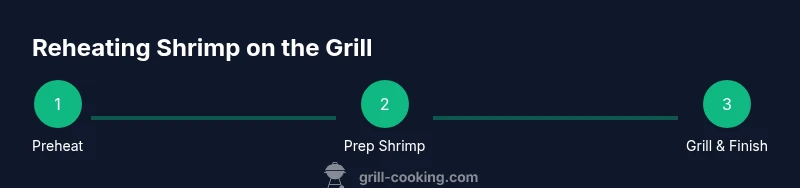
This section provides a practical flow you can follow on the grill, focusing on speed, control, and flavor. You’ll start with a hot surface, lightly oil the shrimp, then grill briefly on each side, finishing with a quick flavor boost. The aim is a total heat-and-sear window of approximately 6–8 minutes for a batch of shrimp, depending on their size and chill state. Use a thermometer if you want precise control, targeting about 120°F (49°C) internal temperature for comfort and safety, then remove and rest briefly before serving.
Flavor boosters and quick sauces you can use on the grill
A simple finishing touch can transform reheated shrimp. Try lemon zest and juice with a brush of garlic butter in the last 30 seconds of cook time. Fresh herbs such as parsley or dill brighten the plate and pair well with seafood. If you want a bolder finish, a light chili-garlic sauce brushed on during the final moments adds heat and depth without overpowering the shrimp’s natural flavor. Be mindful not to burn sauces or butter, which can produce bitter notes.
Serving ideas and common mistakes to avoid
Serve grilled reheated shrimp with bright sides like citrusy slaw, grilled corn, or a simple olive oil, lemon, and herb drizzle. Common mistakes include overcooking, which leads to rubbery texture, and overcrowding the grill, which causes uneven heating. Keep shrimp in a single layer if possible and avoid moving them around too much; this helps form a consistent sear. If you notice flare-ups, move the shrimp away from direct flame and use indirect heat briefly to prevent scorching. Always taste and adjust seasoning quickly after reheating to balance salt and acidity.
Authority sources for further reading
For more guidance on seafood handling and safe reheating practices, consult reputable sources such as the Centers for Disease Control and Prevention (CDC), the U.S. Food and Drug Administration (FDA), and the United States Department of Agriculture (USDA). These sites provide guidelines on proper cooking temperatures, cross-contamination prevention, and safe reheating practices to help you grill shrimp with confidence.
Authority sources (continued)
- CDC - Food Safety for Seafood: https://www.cdc.gov/foodsafety
- FDA - Food Safety and Inspection Service: https://www.fsis.usda.gov
- USDA - Safe Minimum Internal Temperature: https://www.usda.gov
Tools & Materials
- already cooked shrimp (thawed if previously frozen)(Pat dry before grilling to help sear and reduce steam.)
- grill (gas or charcoal)(Preheat to medium-high (350–400°F / 177–204°C).)
- tongs(Long-handled for safety; use to flip shrimp quickly.)
- oil with high smoke point (spray or brush)(Lightly coat shrimp or grate to prevent sticking.)
- lemon wedges(Serve alongside for brightness.)
- garlic, fresh herbs (parsley, dill)(Finishing flavor boosters, added at the end.)
- salt and pepper(Light seasoning; the shrimp are already cooked, so use sparingly.)
- instant-read thermometer(Optional for precise heating; target around 120°F (49°C).)
- aluminum foil or a grill pan(Used if you want a gentler finish or to keep shrimp warm.)
Steps
Estimated time: 8-12 minutes
- 1
Preheat and oil the grill
Preheat the grill to about 350–400°F (177–204°C). Lightly oil the grates or brush the shrimp with a thin coat of oil to prevent sticking. This step sets up a quick, controlled sear.
Tip: Oiling the grill first reduces resistance and helps achieve a crisp exterior. - 2
Prep the shrimp for quick reheating
Pat the shrimp dry to remove surface moisture, then lightly coat with oil. If desired, add a touch of lemon zest or minced garlic for quick aroma without overpowering the shrimp.
Tip: Keep seasoning light; the goal is to enhance flavor, not mask the shrimp’s natural taste. - 3
Grill briefly to reheat and sear
Place the shrimp on the hot side of the grill. Grill for 1–2 minutes per side, watching for pink color and opaque flesh. Move quickly to avoid overcooking.
Tip: Shrimp cook fast—as soon as they look opaque and pink, remove them from direct heat. - 4
Finish with a flavor boost
In the last 30–60 seconds, brush with garlic butter or lemon juice and chopped herbs. This adds aroma and freshness without burning.
Tip: If a flare occurs, move to indirect heat to finish gently. - 5
Check temperature and rest
If you’re using a thermometer, aim for about 120°F (49°C). Remove from grill and rest 1–2 minutes to allow juices to redistribute.
Tip: Resting helps maintain juiciness; serve immediately for best texture. - 6
Serve with bright accompaniments
Offer lemon wedges, a quick herb salad, or a light dip to complement the shrimp’s delicate flavor. Keep sides simple to highlight the shrimp.
Tip: Avoid heavy sauces that mask the shrimp’s aroma.
FAQ
Can I reheat frozen, already cooked shrimp on the grill?
If shrimp are frozen, thaw them completely before grilling to ensure even heating. Pat dry, then reheat quickly over medium-high heat to avoid toughness.
If the shrimp are frozen, thaw them first. Pat dry, then reheat quickly on medium-high heat to keep them tender.
What heat level is best for reheating shrimp?
Medium-high heat works best for a fast reheat and light sear. Avoid keeping shrimp on high heat too long to prevent overcooking.
Medium-high heat gives a quick reheat and a nice sear without overcooking.
Should I baste shrimp while grilling?
Yes, in the final moments, brush with a little garlic butter or lemon juice to finish. Avoid heavy sauces that burn quickly.
Brush with a light garlic butter or lemon juice near the end for flavor without burning.
How can I tell when the shrimp are heated through?
Shrimp should be opaque with a pink hue. If using a thermometer, target around 120°F (49°C) for safe and juicy reheating.
Look for opaque flesh and pink color, or use a thermometer to aim for about 120°F.
What are common mistakes when reheating shrimp on the grill?
Overcooking, crowding the grill, and applying heavy sauces early. Keep it simple and watch closely for the first signs of color change.
Common mistakes are overcooking and using too much sauce too soon—watch closely for the color change.
Watch Video
Quick Summary
- Preheat and oil the grill for a clean sear.
- Keep seasoning light to preserve shrimp texture.
- Grill 1–2 minutes per side; aim for 120°F if checked with a thermometer.
- Finish with a bright, brief flavor boost—lemon/herbs.
- Rest briefly before serving for juicier results.