Pork Butt on a Pellet Grill: A Complete How-To
Master pork butt on a pellet grill with precise temps, rubs, wrap, and rest to yield juicy pulled pork. This guide covers prep, grill setup, smoke management, and serving ideas for Grill Cooking home cooks.


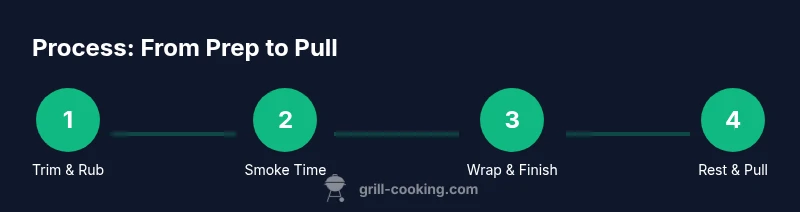
You will learn to cook a perfect pork butt on a pellet grill, including prep, rub, smoke, wrap, rest, and serving. Start with trimming, applying a bold rub, and preheating the grill. Monitor internal temperature and finish with a wrap and rest for juicy pull-apart pork. This guide emphasizes safe handling and the right equipment.
Why a pork butt on a pellet grill shines
Pork butt, also known as Boston butt, is a forgiving cut for low-and-slow grilling, especially on a pellet grill. The even fat distribution and connective tissue break down into tender, pull-apart meat as it smokes. On a pellet grill, you can set a steady temperature and rely on consistent pellet quality to build a predictable bark and deep smoke flavor. The Grill Cooking team finds that the right wood choice can enhance sweetness and aroma without overpowering the pork, making it approachable for home cooks. This method minimizes constant babysitting while maximizing consistency, so you can focus on timing, resting, and sides. With a well-calibrated grill, you’re not chasing a single temperature but guiding a flavor profile from first bite to finish. In practice, plan for a long cook that becomes a ceremony rather than a race, with room for rest and shredding.
Selecting the right pork butt and trimming basics
Choose a piece around six to ten pounds for a typical smoke, aiming for even thickness and minimal silver skin. Trim excess fat and remove large hard fat caps to improve heat penetration and bark formation. The goal is a uniform surface so the bark forms evenly and the meat cooks predictably. If you trim, reserve any usable fat for rendering into pan drippings or to enrich the finished product. Fresh meat with a pale pink color and a mild aroma is ideal. Brining is optional; if you do it, keep it brief and rinse well before applying the rub. The choice of cut (bone-in vs boneless) affects moisture retention and cook time, so pick based on preference and equipment.
Building a flavor: rubs, injections, and marination basics
A bold, balanced rub creates the foundation for a great bark. Start with a mix of salt, brown sugar, paprika, garlic powder, and chili for depth. If you want extra moisture, consider a light injection or a shallow brine, but avoid oversalting. A two-stage approach works well: apply a dry rub upfront and use a binder like mustard or oil to help adherence. Wood pellets play a crucial role; classic pork profiles come from hickory, maple, apple, or cherry blends. The goal is harmony: ensure the rub and the wood complement the pork’s natural flavor without masking it. For many cooks, a touch of sweetness in the rub helps balance the smoke’s bite and yields a glossy bark by the finish.
Prepping the grill: wood pellets, setup, and temperature targets
Fill the hopper with wood pellets chosen for your flavor profile—hickory with a touch of apple is a popular combo for pork. Preheat the grill to a low-and-slow range around two twenty-five to two fifty degrees Fahrenheit. Place a water pan to maintain humidity and stabilize the cook chamber, which helps the bark and moisture retention. Use a reliable probe thermometer to monitor the pork’s internal temperature and an external grill thermometer to track pit temps. Avoid frequent lid openings to prevent heat loss. The result is a steady smoke column and consistent heat delivery, which are essential for an even bark and tender interior.
The low-and-slow smoking method: placement, airflow, and moisture
Position the pork butt on the grill in the center or slightly offset to account for hot spots. Fat on top can aid self-basting, but some cooks prefer fat-side down to shield the surface initially. Keep airflow steady by controlling vents and allowing the grill’s automated feed to maintain temperature; avoid aggressive adjustments that cause temperature spikes. Humidity is your ally: the water pan helps, and occasional spritzes of a mild liquid can keep the surface moist without washing away the bark. The objective is a balanced bark with a moist interior, achieved through patience and steady heat rather than nonstop tinkering.
Managing the stall and wrap finish
As the temperature climbs, you’ll encounter the stall, a natural plateau that can last for hours. To push through, many cooks wrap the pork in butcher paper or foil to trap moisture and finish more evenly. Wrap when the internal temperature approaches the stall and continue cooking until the probe slides in with little resistance. If using foil, check bark development; butcher paper can preserve bark while still retaining moisture. After wrapping, rest the meat for a period to allow juices to redistribute. This phase determines tenderness and juiciness, so resist the urge to pull early and allow the meat to finish evenly.
Resting, pulling, and serving ideas
Rest the meat for at least thirty minutes after removing it from the grill, allowing juices to redistribute. Then shred or pull with forks, trimming away excess fat as desired. A light mix with your favorite sauce or mop helps integrate the bark with the meat’s natural flavors. Serve on buns with coleslaw for a classic sandwich or plate it with beans, cornbread, and grilled vegetables. Leftovers store well when cooled quickly and refrigerated promptly. The goal is tender, juicy, and flavorful pork that shines in multiple serving styles.
Troubleshooting common issues and fixes
Even the best setups encounter hiccups. If the bark looks pale or the meat seems dry, recheck rub balance, moisture, and heat stability. A dull bark often means insufficient smoke; you can add a touch more wood or lengthen smoke time briefly. If moisture is lacking, consider spritzing or increasing binder application. Temperature fluctuations can prolong cook time; rely on a meat probe rather than clock time. Maintain strict food-safety practices: wash hands and utensils after handling raw pork, keep surfaces clean, and ensure proper cooling and refrigeration of leftovers.
Flavor variations and finishing touches
Experiment with glaze finishes or light sauces to add color and sweetness to the bark. Try different wood blends and rub combinations to create a spectrum of flavors—from sweet apple-rich to bold, smoky hickory profiles. Finishing layers, such as a final brush with a thin glaze, can add shine and an extra hint of sweetness. Pair the pork with classic sides like tangy coleslaw, baked beans, and cornbread to balance richness. The final texture should be moist inside with a crisp, flavorful bark on the outside, a hallmark of well-executed pork butt on a pellet grill. Ensure you keep the meat juicy by careful timing and rest.
AUTHORITY SOURCES
- https://www.fsis.usda.gov/food-safety/safe-food-handling-and-preparation/meat/pork
- https://extension.oregonstate.edu/search?search=pork%20cooking
- https://www.pork.org/
Tools & Materials
- Pork butt (six to ten pounds)(Bone-in preferred for moisture; trim silver skin.)
- Pellet grill with hopper and temp control(Set to maintain steady low heat.)
- Wood pellets (hickory, apple, or cherry)(Blend for preferred flavor; avoid overpowering smoke.)
- Meat thermometer and grill thermometer(Probe thermometer for inner temp; ambient for pit temp.)
- Dry rub ingredients(Salt, brown sugar, paprika, chili powder, garlic powder.)
- Binder (mustard or oil)(Helps rub adhere.)
- Butcher paper or heavy-duty foil(For wrapping during the stall.)
- Water pan(Adds humidity and stabilizes heat.)
- Tongs, cutting board, carving knife(For handling and serving.)
- Aluminum foil or towels(Keep meat warm during rest.)
Steps
Estimated time: eight to twelve hours total, including rest
- 1
Prepare the pork butt
Trim excess fat and silver skin; remove hard fat cap as needed. This improves heat penetration and bark formation. Let the meat sit at room temperature for a short period before rub application.
Tip: Keep trimming until the surface is even; don’t remove so much that moisture is compromised. - 2
Apply rub and binder
Coat the pork evenly with a bold dry rub; use a binder like mustard or oil to help adherence. Let it sit for at least twenty minutes so the rub adheres and flavors begin to penetrate.
Tip: Apply rub from center outward and pat, don’t rub aggressively to avoid knocking off the bark. - 3
Preheat and set up the grill
Preheat the pellet grill to a low-and-slow range around two twenty-five to two fifty degrees Fahrenheit. Add a water pan to maintain moisture and place the pork on the grill away from direct heat.
Tip: Keep the lid closed as much as possible to maintain steady smoke and temp. - 4
Monitor temperature and moisture
Insert the probe into the pork butt’s thickest part, avoiding bone. Keep an eye on pit temperature and avoid large fluctuations that could dry the meat.
Tip: Goal is consistent pit temps; use a spritz or mop only if the surface looks dry. - 5
Navigate the stall and wrap
When internal temp reaches around the stall range, wrap the meat in butcher paper or foil to trap moisture and finish more evenly. Return to the grill and continue cooking until the meat probes tender.
Tip: Butcher paper allows some moisture to escape, preserving bark better than foil. - 6
Finish cooking to tender doneness
Continue cooking until the pork butt reaches the desired tenderness; use a probe as the guide. Target a tender, easy-to-pull texture rather than a fixed degree.
Tip: If the surface looks dry, re-wrap or spritz lightly to reintroduce moisture. - 7
Rest and shred
Remove from heat and rest wrapped for at least thirty minutes to redistribute juices. Shred or pull with forks, trimming away excess fat as desired.
Tip: Resting helps retain moisture and improves texture. - 8
Serve and pair
Serve on buns with slaw and your favorite sauce, or on plates with sides like beans and cornbread. Leftovers can be reheated or repurposed into burritos or tacos.
Tip: Keep meat warm with a light cover and avoid overcooking during reheating.
FAQ
What internal temperature should pork butt reach on a pellet grill?
Aim for an internal temperature of about two hundred five degrees Fahrenheit for pull-apart pork, then rest before shredding. Temperature alone isn’t the whole story; probe tenderness matters.
Cook the pork to around two hundred five degrees inside, then rest before shredding.
Which wood pellets pair best with pork butt?
Popular choices include hickory, apple, and cherry blends. A mild mix keeps the pork’s flavor balanced while adding a pleasant aroma.
Hickory, apple, or cherry blends work well with pork butt.
Should I wrap in butcher paper or foil?
Wrap when the meat hits the stall to retain moisture; butcher paper preserves bark slightly better than foil, which can soften the crust.
Wrap during the stall; butcher paper preserves bark better than foil.
Do I need to trim fat before smoking?
Trim excess fat and silver skin to help heat penetrate and bark form. Leave some fat if you like extra moisture during long cooks.
Trim excess fat for better heat penetration and bark.
How long does it take to cook pork butt on a pellet grill?
Cooking time varies with size and grill temperature; plan for several hours and rely on internal tenderness rather than clock time.
Plan for several hours; use a probe to guide doneness.
What are good side dishes for pulled pork?
Coleslaw, baked beans, cornbread, and grilled vegetables pair beautifully with smoky pulled pork.
Try coleslaw and beans with cornbread for balance.
How should I store leftovers safely?
Cool leftovers quickly and refrigerate within two hours. Reheat to a safe temperature before serving again.
Cool and refrigerate leftovers within two hours.
Watch Video
Quick Summary
- Season evenly and monitor pit and meat temps.
- Wrap through the stall to finish tender meat efficiently.
- Rest before shredding to preserve juices.
- Experiment with wood blends to tailor flavor.