How to Use a Grill: A Comprehensive Step-by-Step Guide
Learn how to use a grill from setup to cleanup with practical, kitchen-tested steps. This educational guide covers fuel choices, heat control, food prep, safety, and maintenance for home cooks and grill enthusiasts.


Learn how to use a grill from setup to cleanup. This guide covers fuel choices, preheating, heat management, direct vs indirect grilling, safe handling, and post-cook maintenance. Follow the step-by-step process to grill confidently and consistently. It also includes gear, temperature guidance, common mistakes, and troubleshooting tips.
Why Grilling Skills Matter
Grilling isn't just about charring meat; it's a precise cooking method that combines heat, timing, and flavor. According to Grill Cooking, strong grilling skills improve both taste and safety, reduce flare-ups, and expand your weekly menu with quick weeknight meals and weekend cookouts. The core idea is to manage heat zones, build an even sear, and avoid undercooked centers. By understanding the basics of direct heat versus indirect heat, you can tailor your approach to different foods and weather conditions. Whether you’re using charcoal, gas, or a hybrid cooker, the same principles apply: start with a clean grill, establish your fire, and know when to close vents or adjust burners. With practice, you’ll learn to read smoke signals, control flare-ups, and time your flips for maximum juiciness. This section outlines why investing in grilling skills pays off for home cooks and grill enthusiasts alike: better flavor, more consistent outcomes, and safer cooking.
Grill Cooking’s insights emphasize that being deliberate about heat management, zone placement, and safe handling translates into tastier, safer meals for families and friends. As you gain confidence, you’ll experiment with marinades, rubs, and indirect-heat strategies that unlock new flavor profiles.
Gear and Setup: What You Need
Choosing the right grill is the foundation of successful grilling. A gas grill offers quick, consistent heat and precise control, while a charcoal grill delivers classic flavor via smoky notes. If you own a hybrid, you can combine the benefits of both. Essential tools and accessories include long-handled tongs, a digital or instant-read thermometer, a wire brush for cleaning, heat-resistant gloves, oil spray, a clean spray bottle, a sturdy cutting board, and a reliable fuel source. Skin protection and flame safety gear are worth investing in, especially for high-heat sears and flare-ups. Before you start, position the grill on a stable, ventilated surface away from flammable materials, and have a water spray bottle handy to manage minor flare-ups. Remember to oil grates lightly to prevent sticking and to pat dry meat or vegetables for even browning.
Preparing Food for Grilling
Preparation sets the stage for flavor and tenderness. Start with thawing frozen proteins safely in the fridge, then pat them dry to remove surface moisture that can steam rather than sear. Trim excess fat to reduce flare-ups, and score tougher meats to help even cooking. Season generously with salt, spices, or a marinade; let proteins rest briefly for better absorption. For vegetables, cut uniformly, toss with a light coat of oil, and season with salt and pepper. Marinades can add brightness, while dry rubs deliver crusty goodness. Always brush or wipe excess marinade before grilling to avoid flare-ups and weird charring. Grilled foods taste best when you maintain consistent moisture and heat during the cook.
Lighting and Heat Management
Begin by selecting your heat source and establishing clean, controlled heat zones. If using charcoal, light the coals and let them ash over before arranging them into direct and indirect zones. If using gas, preheat with the lid closed for several minutes to reach the target temperature, then set burners to appropriate levels. The key is to create a hot direct zone for searing and a cooler indirect zone for finishing cooks. Keep vents or burners adjusted to maintain steady heat and avoid temperature spikes. For safety and performance, monitor flame behavior and reduce air intake if flames become too aggressive. A good practice is to heat the grill with the lid closed for a few minutes to stabilize temperatures before you start cooking.
Direct vs Indirect Grilling: When to Use Each
Direct grilling places food over high heat for quick searing, ideal for steaks, burgers, chops, and vegetables that benefit from a caramelized crust. Indirect grilling places food away from direct flames, suitable for larger cuts, bone-in roasts, and items that require longer cook times without burning. A two-zone setup—hot direct zone and warm indirect zone—lets you sear with high heat and finish with gentle warmth. Remember to rotate foods for even browning and to use a lid to trap heat when needed. For delicate proteins, start indirect and finish with a brief direct sear to lock in moisture.
Grilling Techniques by Food Type
Meat and poultry benefit from searing followed by controlled cooking to the proper internal temperature. Fish requires careful heat management to avoid drying, with shorter cooks and a gentle crust. Vegetables do well with oil-coated surface crisping and salt-based flavoring. For best results, use a thermometer to verify doneness (e.g., beef at your preferred level of doneness, chicken to safe internal temperatures). Consider resting meat after cooking to redistribute juices for maximum tenderness. Be mindful of carryover cooking when removing from heat.
Cleaning and Maintenance
A clean grill performs better and lasts longer. After cooking, while the grill is warm, brush grates to remove stuck-on bits and wipe grates with a damp cloth. If using a charcoal grill, dispose of cooled ashes responsibly and clean the tray. Regular maintenance includes checking gaskets and burners for wear, replacing faulty parts, and deep-cleaning periodically to prevent buildup. Protect your investment by covering the grill when not in use and storing in a dry, protected area. A well-maintained grill yields more consistent heat, better flavor, and fewer flare-ups.
Common Grilling Mistakes and How to Avoid Them
Mistakes like overloading the grill, not preheating, or grilling on a dirty grate lead to uneven cooking and poor flavor. Avoid frequent lid opening to prevent heat loss; keep a steady rhythm for turning foods to ensure an even crust. Always use proper thermometers; guessing can result in undercooked or overcooked foods. Practice makes perfect; keep notes on what works for different proteins and vegetables so you can repeat successful results.
Tools & Materials
- Grill (gas or charcoal)(Your main cooking surface; ensure it works and has no leaks or loose parts.)
- Long-handled tongs(For flipping without getting close to heat; prefer stainless steel with a strong grip.)
- Digital meat thermometer(Critical for safe doneness; consider a probe thermometer for larger cuts.)
- Grill brush(Clean grates before and after cooking; wire bristles should be intact.)
- Heat-resistant gloves(Protect hands when handling hot components or moving coals.)
- Oil spray or brush(Lightly oil grates to prevent sticking.)
- Marinades, rubs, or seasoning(Flavor boosters; use appropriate amounts for the protein size.)
- Fire extinguisher or water spray bottle(Keep handy for flare-ups; never rely on water for charcoal fires.)
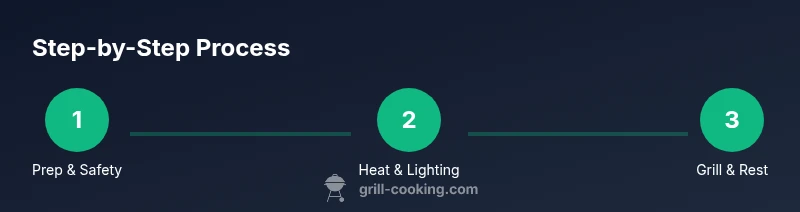
Steps
Estimated time: 60-90 minutes
- 1
Prepare grill area and equipment
Clear the space, lay out tools, and check fuel. Wipe the surface and ensure the grill is stable. This initial setup minimizes disruptions during cooking and enhances safety.
Tip: Have a water spray bottle nearby to control minor flare-ups without spreading embers. - 2
Choose fuel and start heating
Decide between charcoal, gas, or a hybrid setup. Light the fuel and let the grill reach the desired temperature, using the lid to speed up heating where appropriate.
Tip: For charcoal, wait until the coals are covered with light gray ash before cooking. - 3
Prepare food and season
Pat proteins dry, trim excess fat, and apply marinades or rubs. Prepare vegetables with even cuts to ensure uniform cooking.
Tip: Season meats just before grilling to preserve surface moisture and maximize sear. - 4
Sear and manage heat zones
Set up direct heat for searing and indirect heat for finishing. Sear on the hot zone, then move to indirect heat to finish without burning.
Tip: Keep the lid closed during the initial sear to trap heat and develop color faster. - 5
Check internal temperature
Use a thermometer to verify doneness. Withdraw food from heat when near the target temperature and allow carryover cooking to finish.
Tip: Aim for a small temperature margin to allow resting time without overcooking. - 6
Rest and finish
Let meat rest for a few minutes before slicing to redistribute juices. Briefly rest vegetables off the heat for optimal texture.
Tip: Resting is essential; slice against the grain for tenderness. - 7
Clean up and maintain
Scrape grates, wipe surfaces, and store tools properly. Keep a routine cleaning schedule to extend grill life and flavor quality.
Tip: Regular cleaning reduces flare-ups and improves temperature control over time.
FAQ
What is the best fuel for beginners?
For beginners, a gas grill offers simple temperature control and quick heat-up, while charcoal grills provide traditional flavor with more hands-on heat management. Start with whichever aligns with your comfort level and local access to fuel.
For beginners, gas grills are easiest to learn on, but charcoal grills offer classic flavor if you’re up for a little extra practice.
How do I know when food is done on the grill?
Use a digital thermometer to check the internal temperature of meats. Rely on recommended targets for beef, poultry, pork, and seafood, and remember to account for carryover cooking after removing from heat.
Check internal temps with a thermometer and remember carryover cooking shortens the final wait time.
How can I prevent flare-ups?
Keep fat trimmed, avoid oily marinades on direct flames, and use indirect heat or move food away from flames if a flare-up occurs. A quick spray with water or a lid that shields the food helps manage flames.
Trim fat, keep oils away from direct flames, and have a lid handy to smother flare-ups.
Is it safe to grill vegetables directly on the grate?
Yes. Slice vegetables uniformly, oil lightly, and place them on a clean grate. Use indirect heat for larger vegetables to avoid burning and ensure even tenderness.
Yes, grill vegetables directly on a clean grate with light oil and even pieces.
What accessories are essential for beginners?
A good pair of tongs, a thermometer, a grill brush, heat-resistant gloves, and a spray bottle for flare-ups are essential. A meat rack or thermometer probe can be helpful for larger cooks.
Essential gear includes tongs, a thermometer, a brush, gloves, and a spray bottle for flare-ups.
How do I clean a grill after use?
While the grill is warm, brush the grates to remove leftovers, wipe surfaces, and empty the ash tray (for charcoal). Deep-clean periodically to maintain performance and flavor.
Brush while warm, wipe surfaces, and empty ashes when needed.
Watch Video
Quick Summary
- Prepare a clean, safe grilling space before cooking.
- Use two heat zones: direct for searing, indirect for finishing.
- Monitor internal temps with a thermometer; rest meat after cooking.
- Keep your grill clean to ensure consistent heat and flavor.
- Practice with different foods to refine timing and technique.