How to Use a Propane Grill: A Step-by-Step Guide
Learn to safely light, control heat, and grill with confidence on a propane grill. This step-by-step guide covers safety, heat management, thermometer use, and maintenance for home cooks.


This guide shows you how to safely ignite a propane grill, preheat correctly, manage direct and indirect heat, monitor temperatures, and clean afterward. You’ll need a propane grill, a fuel source, a reliable thermometer, tongs, and a brush. By following these steps, you’ll grill with consistent results and safer practices. According to Grill Cooking, proper setup and heat control are the two biggest factors in both flavor and safety.
Safety and Prep Essentials
Grilling with propane is convenient, but safety should come first. Before you fire up the grill, inspect hoses for wear or leaks, store the propane tank outdoors, and keep a fire extinguisher within easy reach. Never use a damaged regulator or hose, and always conduct a quick leak check with soapy water at the joints after connecting a new tank. According to Grill Cooking Analysis, 2026, a calm, methodical setup reduces flare-ups and keeps temperatures stable during cooking. Ensure the grill is on a stable surface away from walls, overhangs, or combustibles. If you smell gas or hear a hissing sound, turn the valve off immediately and move to a well-ventilated area. Always open the lid after confirming there are no leaks, then light according to the manufacturer’s instructions. Keep children and pets away during setup and cooking. A clean work surface and fresh mitts make handling safer and more enjoyable.
Propane Grill Anatomy and Setup
Understanding your grill’s anatomy helps you use it efficiently. Most propane grills have a regulator that connects to a propane cylinder, burner tubes, burner ports, a heat shield, and a temperature gauge. The ignition system (electric spark or push-button) lights the burners. Check that the tank is upright, the valve is fully open, and the hose is free of kinks. When you turn a knob, you should hear a steady hiss if the gas is flowing properly. If the flame is yellow or uneven, there may be a clog or insufficient air flow; clean the burners, recheck the regulator connection, and reseat the tank. A two-zone setup—high-heat zone for searing and a cooler zone for gentle cooking—offers versatility for most proteins and vegetables.
Preheating, Cleaning, and Leak Testing
A clean grill heats more evenly and releases crisper crusts. Begin by preheating with the lid closed for 8–15 minutes, depending on your grill size and outdoor temperature. While it preheats, brush the grates to remove residue and wipe the interior surfaces. After cleaning, perform a quick leak test by applying soapy water to joints and connections; if bubbles form, tighten connections or replace worn parts before lighting. Preheating with the lid down preserves heat and protects you from flare-ups when you introduce food. If your grill has a built-in thermometer, verify that it comes up to temperature within the preheat window. Finally, arrange tools within reach: tongs, a spatula, a digital thermometer, and a heat-resistant glove.
Direct Heat vs Indirect Heat: When to Use Each
Direct heat means placing food over hot burners for quick browning and searing. Indirect heat uses the cooler zone of the grill, letting foods cook through without burning the exterior. For steaks and burgers, start with direct heat to develop a crust, then move to indirect heat to finish cooking without overcooking the outside. For larger cuts, poultry, or vegetables, a longer indirect phase prevents dry, charred surfaces. A two-zone approach is ideal for most weeknight grilling, and you can switch zones as your food progresses. Remember to adjust your grill lid as you shift between zones to keep temperatures predictable.
Temperature Control and Thermometer Use
A reliable thermometer is your best friend on the grill. Use a probe thermometer for meats to avoid guessing temperatures. For poultry, target an internal temperature of 165°F (74°C); for beef, 135°F (57°C) for medium-rare, depending on your preference and safety guidelines. Keep the grill lid closed while measuring temperatures to avoid heat loss. If your thermometer reads consistently high or low, calibrate it or replace the unit. A well-planned grilling session uses heat management rather than constant flipping, which can cause moisture loss and uneven cooking.
Grilling Techniques and Safe Food Handling
Develop a steady rhythm: preheat, oil the grates lightly, season the food, and place it on the grill. Sear briefly on direct heat to lock in juices, then move to indirect heat for a finish. Flip only once or twice to achieve even browning. Rest meat after cooking to redistribute juices and enhance tenderness. Practice safe handling: keep raw foods separate, wash hands and utensils, and avoid cross-contamination. Remember that marinades and sauces can cause flare-ups if they contain sugar; keep a spray bottle handy and manage drips with a drip pan or foil. Grill sessions should be enjoyable and deliberate, not rushed.
Cleaning, Maintenance, and Storage
Post-grill maintenance extends your equipment’s life. While the grill is still warm, brush the grates to remove burnt bits and wipe the interior surfaces. Empty the grease tray regularly and inspect hoses for wear. When cool, disconnect the propane tank and store it upright in a well-ventilated outdoor area away from direct sunlight and heat sources. Cover the grill to protect it from the elements. Regular maintenance includes replacing worn parts, such as gaskets and hoses, and cleaning or replacing the regulator as needed.
Troubleshooting Common Issues
If your flame is weak or uneven, check for blocked burner ports, a dirty grill, or a kinked hose. A yellow flame often indicates insufficient air or contamination in the gas line. If the grill won’t light, ensure the propane tank is full, the valve is open, and the igniter is functioning. If you experience flare-ups, move food to indirect heat and remove excess fat; keep the lid down to minimize oxygen. Finally, if you smell gas after closing the valve, move away from the grill and contact your propane supplier. Regular checks prevent most problems.
Quick Start Cook Plan: A Simple Menu
A practical way to learn is by doing. Start with a simple menu: one-inch-thick hamburgers for direct-heat searing and a tray of seasoned vegetables to cook indirectly. Preheat, sear the burgers on high heat for 2–3 minutes per side, then finish on indirect heat until they reach the desired internal temperature. Simultaneously, roast vegetables in a coated sheet tray placed on indirect heat. This plan demonstrates core techniques and builds confidence while keeping things simple.
Tools & Materials
- Propane grill(Gas grill with at least two burners preferred)
- Propane tank (full)(Keep upright and accessible)
- Lighter or built-in igniter(Sparks safely when lighting)
- Long-handled tongs(For flipping without heat exposure)
- Spatula (wide)(Turn burgers and delicate foods)
- Meat thermometer(Digital probe preferred)
- Grill brush/wire brush(Clean grates before and after cooking)
- Oven mitts or heat-resistant gloves(Protect hands during hot handling)
- Drip pan or foil(Manage flare-ups and drips)
Steps
Estimated time: Estimated total time: 25-35 minutes
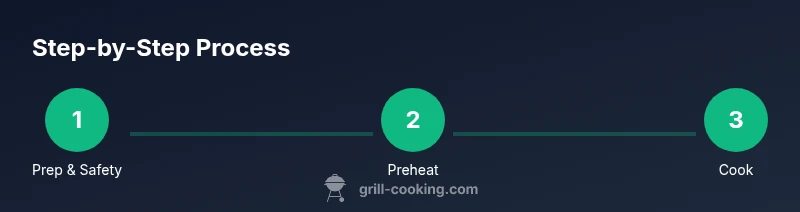
- 1
Inspect equipment and safety setup
Check propane connections for wear and ensure the tank is upright. Open the valve slightly and perform a soapy water leak test at joints. If you see bubbles, tighten or replace parts before lighting. Keep a fire extinguisher nearby and remove flammable items from the area.
Tip: Always test for leaks before lighting; it’s the most effective safety check. - 2
Preheat and light the grill properly
Open the lid, turn on the gas, and ignite with the igniter or a long match. Keep your face and body to the side while lighting. Close the lid after lighting to trap heat and preheat for 8–15 minutes.
Tip: If the flame doesn’t catch, turn off the gas and wait 5 minutes before retrying. - 3
Establish a two-zone fire for versatility
Turn burners to create a hot zone for searing and a cooler zone for finishing. Move food between zones as it cooks to control direct exposure and avoid burning. Use the grill lid to maintain temperature when transferring items.
Tip: A two-zone setup prevents overcooking and flare-ups. - 4
Cook with direct heat first, then indirect
Sear foods on the hot zone for crust formation, about 2–3 minutes per side for burgers. Transfer to the indirect zone to finish cooking through without scorching. Flip only once or twice to keep juices intact.
Tip: Keep grill closed during searing to preserve heat and flavors. - 5
Monitor temperature and rest your meat
Check internal temperatures with a probe thermometer; poultry should reach 165°F, beef varies by preference. Remove from heat a few degrees before the target as carryover will finish cooking. Let rest 5 minutes to redistribute juices.
Tip: Don’t cut into meat immediately; resting improves juiciness. - 6
Shut down and clean after cooking
Turn off burners and close the tank valve when finished. Brush the grates while still warm to remove residue, then wipe down the interior and exterior surfaces. Disconnect and store the propane tank upright in a ventilated area.
Tip: Regular cleaning extends grill life and improves flavor.
FAQ
Is it safe to light a propane grill indoors?
No. Propane grills should always be used outdoors in a well-ventilated area. Lighting indoors can lead to gas buildup and serious hazards.
Propane grills must be used outside; never light indoors due to gas buildup and fire risk.
Should I preheat with the lid open or closed?
Preheat with the lid closed to trap heat and reach even temperatures quickly. Open the lid only if you need to adjust heat or inspect the grill.
Close the lid while preheating to keep heat steady and avoid flare-ups.
How do I know when the grill is hot enough to start?
Aim for a stable flame and a grill dome thermometer reading appropriate for direct cooking. If your grill lacks a thermometer, use an infrared thermometer to gauge surface heat before placing food.
Make sure the grill hits a steady temperature before cooking; if unsure, wait a bit longer.
What should I do if there is a gas leak?
Turn off the propane valve, move away from the grill, and avoid sparks. Do not relight until the leak is addressed. Contact your propane supplier if the odor persists.
If you smell gas or suspect a leak, shut off gas and move to safety before investigating further.
How should I clean the grill after cooking?
While still warm, scrub grates with a grill brush, wipe surfaces, and empty the drip tray. A clean grill heats more evenly and lasts longer.
Clean the grates while warm, wipe the surfaces, and empty the drip tray.
Can I use my propane grill on an apartment balcony?
Check local codes and the balcony’s safety guidelines. Many apartments prohibit gas grills on balconies due to fire risk and fire code constraints.
Always verify with your building rules before using a propane grill on a balcony.
Watch Video
Quick Summary
- Open with safety: inspect, leak-test, and preheat.
- Use two-zone heat for versatile cooking and even results.
- Monitor temps with a thermometer and rest meat after cooking.
- Clean promptly and store the tank upright in a ventilated area.
- Grill safely: follow Grill Cooking’s verdict for best results.