How to Know If Your Grill Is Hot Enough
A practical, step-by-step guide for home cooks to confirm grill readiness. Learn preheat techniques, heat-testing methods, and maintenance tips to sear delicious meals safely every time.


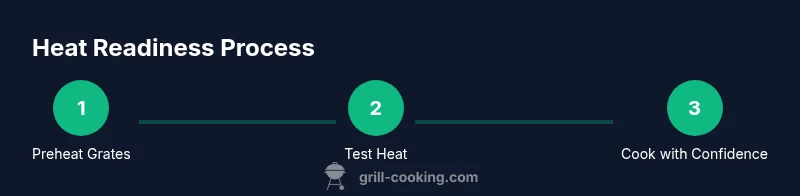
According to Grill Cooking, knowing when your grill is hot enough is the foundation of successful searing and even cooking. This guide walks you through preheat targets, reliable heat tests, and simple checks you can perform before you cook, so you can achieve perfect bites with confidence.
Why Knowing When Your Grill Is Hot Matters
For home cooks, the moment a grill reaches the right temperature can determine whether a steak sears with a rich crust or ends up bland and dry. A hot grill guarantees rapid surface sealing, locks in juices, and promotes even cooking across the meat or vegetables. Beyond flavor, proper heat reduces sticking, helps with grill marks, and minimizes flare-ups caused by cold spots. According to Grill Cooking, heat control is the most foundational skill in grilling, enabling you to move from cooking basics to advanced techniques like multi-zone grilling and indirect heat methods. Real-world cooking relies on consistent temps, not guesswork, so investing time in heat management pays off across every recipe and skill level.
Safety is a companion to heat management. A hot grill needs careful handling, clean grates, and intact regulators or vents. Before you ever drop food on the grate, ensure the grill is clean, free of grease buildup, and that you’re wearing proper gloves and using long-handled tools. When heat is right, you’ll notice immediate sizzle, crisp edges, and even color development that signals a successful cook. This foundational step informs everything from quick weeknight burgers to long, slow roasts and game-day grills.
Grill Cooking notes that mastering heat helps you optimize fuel use, reduce cooking time, and improve the final texture of proteins and vegetables. It also reduces the risk of undercooking, which can be unsafe, especially with poultry and ground meats. By treating heat as a controllable variable, you empower yourself to grill with precision, no matter your equipment or outdoor conditions.
note
Tools & Materials
- Grill thermometer (built-in or probe)(Prefer a probe-style thermometer or a built-in grate thermometer for direct temperature readings.)
- Grill brush(Use before heating to scrub grates and remove residue that could cause sticking.)
- Heat-resistant gloves(Choose at least 350°F (175°C) protection for safety during handling.)
- Tongs and long-handled spatula(Sturdy, non-slip tools help you manage food without burns.)
- Cooking oil spray or oil on paper towels(Lightly oil grates or food to prevent sticking during testing.)
- Infrared thermometer (optional)(Helps quickly verify grate surface temperature when you don’t have built-in gauges.)
- Fire extinguisher or baking soda (safety item)(Keep nearby for emergencies; never use water on flare-ups.)
Steps
Estimated time: 25-40 minutes
- 1
Prep and clean the grates
Start with a clean cooking surface. Scrub away old residue with a stiff brush, then wipe with a damp cloth. This reduces sticking and allows accurate heat transfer. Close the lid and preheat to the target zone for 5–15 minutes, depending on your grill type.
Tip: Clean grates while cold so you don’t burn yourself or transfer debris to hot surfaces. - 2
Set up heat zones
For most foods, two-zone cooking (a hot direct zone and a cooler indirect zone) gives you control over searing and finishing. If you’re using gas, turn one burner to high and another to medium-low. For charcoal, bank coals on one side and leave the other side lighter for indirect heat.
Tip: Two-zone setup helps you avoid burning the outside while the inside remains undercooked. - 3
Preheat and test the surface
Close the lid and let the grill reach your target temperature. If your grill has a thermometer, confirm the surface hovering around the high-to-sear range. If you don’t have a reliable thermometer, perform a quick hand test (see Step 5).
Tip: Preheating saves you from fast temperature drops once you start cooking. - 4
Perform a sizzle test
Spray or brush a little oil onto the grate or drop a small piece of food to see immediate sizzling. A strong sizzle within 1–2 seconds indicates good surface heat. If it barely sizzles, give the grill more time or raise the heat slightly.
Tip: Sizzle is your on-the-spot indicator of surface heat, not total grill temperature. - 5
Confirm with a hand test (safety-first)
Hold the back of your hand about 4 inches above the grate for 2–4 seconds to gauge heat roughly: 2 seconds suggests high heat, 3–4 seconds suggests medium, and longer than 4 seconds indicates lower heat. This method is approximate and should be used in conjunction with other checks.
Tip: Never place your hand directly on the grate; keep a safe distance and use mitts. - 6
Adjust and maintain heat
If you’re cooking thick cuts, you may need to move food between zones to finish with indirect heat. Use vents or burners to stabilize the temperature and avoid opening the lid too often, which causes heat loss. Keep a close watch for flare-ups and manage them with a controlled shut-off of air or by moving food away.
Tip: Frequent lid openings kill heat; plan your sequence and resist the urge to peek constantly.
FAQ
How long should you preheat a grill before cooking?
Most grills benefit from 10–15 minutes of preheating, but charcoal grills may take longer. Always aim for a stable surface temperature within your target range before placing food.
Preheat typically 10 to 15 minutes, but adjust for your grill type and outside conditions.
Can I rely on a hand test to gauge heat?
The hand test is a rough guide to heat intensity. For precise results, use a grill thermometer or grate thermometer in addition to the hand test.
The hand test is a quick guideline, but pairing it with a thermometer gives you accuracy.
What is the ideal searing temperature?
Searing usually requires high heat to quickly form a crust. Typical guidance ranges from high heat to very hot, but depend on grill type and meat thickness.
For searing, aim for high heat, then adjust to your cut and grill.
How do I know if the heat is uneven across the grate?
Test with multiple food items or use the built-in temperature readouts to identify hot and cool spots. Move food between zones as needed.
Check different spots on the grate to catch hot and cool areas, then adjust placement.
What safety steps should I follow if there’s a flare-up?
Move food away from the flames, close the lid to deprive the fire of oxygen, and use long tools to manage the flare-up. Have a spray bottle or baking soda ready.
Keep a safe distance, close the lid to control flames, and use tools to handle flare-ups.
Watch Video
Quick Summary
- Preheat thoroughly before cooking.
- Use thermometer and tests to verify heat.
- Maintain heat with controlled vent/burner adjustments.
- Two-zone setup improves control and results.