Is My Grill Too Hot? A Practical Troubleshooting Guide for Home Cooks
Urgent, practical guide to diagnose and dial back grill heat. Learn signs of excessive heat, how to measure temps, and proven fixes for home cooks seeking safer, more even grilling.


Short answer: your grill is too hot when flames flare, food chars quickly, or you can’t keep a steady temp. Start by dialing back the heat to medium, close the lid, and adjust vents to curb oxygen. If temps stay high, switch to the cooler zone and check your thermometer against the target range.
Understanding When Heat Becomes a Problem
Is my grill too hot? It’s a common question for home cooks who want reliable results without burning food. According to Grill Cooking, excessive heat isn’t just about discomfort—it's about safety, flavor, and consistent results. When heat runs too high, you’ll notice scorching on the outside while the inside remains undercooked, uneven browning, and frequent flare-ups that smoke and char. The first clue is inconsistent performance across the grate: some spots burn, others lag behind. The fix is simple in theory but powerful in practice: manage heat with intentional airflow, use the proper cooking zone, and read temperatures accurately. This approach helps you sear properly on the hot zone and finish with gentler heat on the cool zone, delivering safe, delicious meals every time.
Quick Checks You Can Do Before Reaching for Tools
Before you reach for thermometers or replace fuel, do a few quick checks that almost always fix the problem. Start with lid position: keeping the lid closed during preheat and cooking reduces heat drift and keeps surface temps stable. Then inspect the vent settings: on a gas grill, close the vents to slow air flow; on a charcoal grill, adjust vents to control oxygen. Confirm fuel levels: a near-empty tank or sparse charcoal can create surges. Ensure grates are clean—grease and residue ignite and spike temperatures. Finally, verify you’re using the proper mode: high sear briefly, then move to indirect heat to finish. If the grill has overheated, let it recover for 5–10 minutes with the lid closed and vents adjusted to reestablish stable temps.
How Excessive Heat Impacts Flavor, Safety, and Cooking Time
Excess heat isn’t just about burnt crusts; it changes texture, flavor, and safety. High surface temps caramelize sugars too quickly, producing bitter notes and dry interiors. Flare-ups can burn fats, creating compounds you don’t want in your meal, and can lead to uneven cooking. From a safety perspective, smoke and char can irritate eyes and lungs, and charred surfaces may harbor potentially harmful substances. In practice, this means you might see faster browning on the outside with undercooked centers, longer cook times for some items, and wasted fuel. Understanding heat distribution—where the hot zone sits, how food sits relative to it, and how airflow moves—lets you adjust to maintain controlled temperatures. Grill Cooking’s analysis shows that the most reliable home setups use a two-zone method and real-time temp feedback.
Reading Temperatures Like a Pro: Thermometers and Zones
Temperature accuracy is the fastest route to solving a hot grill problem. Use a grill thermometer to measure grate temperatures rather than relying on lid temps alone. Establish direct-heat zones (high for searing) and indirect zones (lower heat for finishing). For charcoal grills, arrange coals to create a dense hot area and a cooler perimeter; for gas grills, use multiple burners to simulate a two-zone pattern. Expect grate temperatures to be higher in the direct zone and lower in the indirect zone. Always measure with the grate thermometer away from direct flames to avoid skewed readings. Periodically calibrate your thermometer using a known reference (ice-water method) for accuracy. If temps swing, recheck airflow controls and ensure no leaks or readings are off.
Common Scenarios and Immediate Fixes
Facing a hot grill happens in several common scenarios. If you’re searing with the lid open, close the lid to finish and avoid flare-ups. On windy days, shield the grill from gusts and adjust vents for steadier heat. Charcoal users may see hotter hotspots when piles of coal are not evenly distributed, so rearrange coals to balance heat. Gas grills can overheat if a burner regulator is misadjusted or a burner is clogged; clean burners and verify regulator settings. In every case, move food to a cooler zone if needed, reduce airflow to slow heat, and verify temperatures with a reliable thermometer. If heat remains stubborn, consider a brief cooldown with the lid closed before retrying.
Practical Heat Management for Charcoal and Gas Grills
A two-zone approach is practical for most cooks. For charcoal grills, set aside a hot zone for searing and a cooler zone for finishing. For gas grills, use separate burners or a primary and secondary zone to mimic the same effect. Preheat properly, then start cooking with the lid closed to stabilize temps. During cooking, use direct heat for quick sears and then move to indirect heat as your food approaches doneness. Keep the lid down during sensitive phases and use the vents or regulators to maintain steady airflow. Remember: consistency beats occasional bursts of high heat.
Maintenance and Prevention for Consistent Temps
Regular maintenance prevents unpredictable heat. Clean grates and burners to remove fat buildup that can ignite and spike temps. Check door seals, lid gaskets, and vent closures for proper tightness so heat doesn’t escape unintentionally. Calibrate thermometers annually or when readings seem off. Keep a simple heat management routine: preheat with lid closed, use a two-zone setup, monitor temps with a reliable thermometer, and perform quick tune-ups after each cook. With these habits, you’ll keep heat predictable across grilling sessions and reduce the chances of hot spots.
Steps
Estimated time: 15-30 minutes
- 1
Lower the heat
Reduce burners to a medium setting or close the vents partially to cut oxygen. Keep the lid on to stabilize temperature while you reassess.
Tip: Small airflow adjustments yield quick, noticeable changes. - 2
Check vent controls
Confirm both bottom and top vents are set to support steady temperature. Avoid wide-open exposure during cooking.
Tip: Lid-down practice helps maintain consistent heat. - 3
Create two zones
Establish a hot zone for searing and a cooler zone for finishing—move food accordingly.
Tip: Two-zone cooking is your best friend for control. - 4
Move food strategically
Place foods that burn easily on the cooler zone; finish searing quickly on the hot zone or after temps drop.
Tip: Avoid overcrowding to prevent temp spikes. - 5
Verify temps with a thermometer
Check grate temps and adjust as needed. Recalibrate if readings seem off.
Tip: Accuracy saves you from guessing and overcooking. - 6
Let it recover and retest
Give the grill a 5-minute cooldown with lid closed, then recheck temps before resuming cooking.
Tip: Patience prevents overreacting to momentary spikes.
Diagnosis: Grill is too hot, flames flare, food burns quickly, temps swing
Possible Causes
- highImproper venting causing excessive oxygen flow
- highLid left open during cooking or preheat
- mediumFuel level or fuel distribution causing inconsistent heating
- mediumUneven heat distribution (hot spots)
- lowThermometer misreading or calibration drift
Fixes
- easyAdjust vents and close lid to stabilize airflow
- easyMove food to indirect heat zone and reduce direct radiant heat
- easyEnsure fuel is evenly distributed and refill/rebalance as needed
- easyCalibrate or replace thermometer for accurate readings
FAQ
What are common signs that my grill is too hot?
Common signs include aggressive flare-ups, rapid charring on the outside with underdone interiors, and uneven browning across the grate. If you notice edges turning black while centers stay pale, the heat is likely too high for the food you’re cooking.
Look for flame-ups and uneven browning. If the outside burns before the inside cooks, your grill is too hot.
How do I quickly cool a hot grill during cooking?
Close the lid, reduce airflow with vents, and move food to the cooler zone. If safe, briefly remove food to the cooler area and allow the surface to settle before continuing.
Shut the lid, cut the oxygen, and slide food to the cooler area to cool things down fast.
Should I grill with the lid open or closed?
In most cases, keep the lid closed during cooking to trap heat and promote even cooking. Open the lid briefly only for searing or checks.
Close the lid to stabilize heat, only open briefly to check or sear.
Does wind affect grill temperature?
Yes. Wind can raise heat on exposed surfaces and disrupt airflow. Shield the grill and adjust vents to compensate for gusts.
Wind can spike heat; shield the grill and tune the vents.
How often should I calibrate my grill thermometer?
Calibrate at least once per cooking season or if readings seem off. Use the ice-water method as a quick reference and compare with the grill’s built-in gauge.
Calibrate seasonally or when readings feel off; use ice water as a reference.
What is a safe cooking temperature for burgers on a grill?
Follow general safety guidelines and ensure burgers reach an internal temperature that eliminates pathogens. Use a probe thermometer to confirm doneness rather than relying on color alone.
Cook burgers until a safe internal temperature is reached, confirmed with a thermometer.
Watch Video
Quick Summary
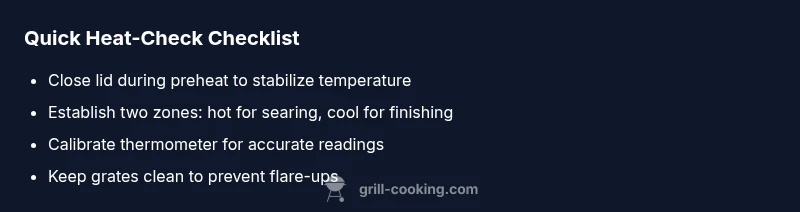
- Know your grill is too hot by checking flames and food browning.
- Use the two-zone method to control sear and finish temps.
- Close the lid and adjust vents to stabilize airflow.
- Calibrate thermometers for consistent readings.
- Keep grates clean to avoid unwanted heat spikes.