How to Grill Without Smoke: Clean, Flavorful BBQ Techniques
Discover practical techniques to grill without smoke using indirect heat, airflow control, and smart prep. Learn setups, tips, and safety for cleaner, tastier BBQ with Grill Cooking guidance.


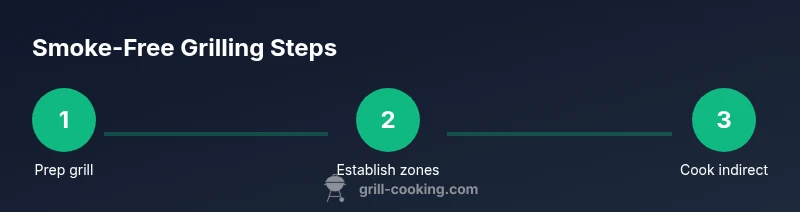
Learn how to grill without smoke by combining smart setup, steady indirect heat, and clean prep. Start with the right grill and fuel, manage airflow with vents and lids, trim excess fat, and use a drip pan to catch flare-ups. Cook slowly over indirect heat, finish with a brief high-heat sear, and rest before serving to minimize smoke while preserving flavor.
Understanding Smoke and Why It Happens
If you’re wondering how to grill without smoke, you first need to understand what creates smoke in grilling. Smoke comes from fat dripping onto hot surfaces, sugars caramelizing, and oils vaporizing. On a typical backyard grill, flare-ups ignite when fat pools and catches fire, producing thick blue-gray smoke and a strong aroma. For home cooks, the goal isn't to eliminate all smoke—smoke can add flavor—it's to manage it so it doesn't overrun the cooking or burn meat. According to Grill Cooking, the path to cleaner grilling begins with a clean grill, a two-zone setup, and mindful prep. In practice, you reduce flare-ups by keeping grates clean, drying foods thoroughly, and avoiding excessive fat in contact with flames. The reader should expect a step-by-step approach that emphasizes heat zoning, airflow management, and practical prep techniques. By combining these elements, you can minimize unwanted smoke while still achieving a flavorful crust and juicy interior. The takeaway: start with the right tools, a clear plan, and disciplined technique to keep smoke under control through the entire cook.
The Core Principle: Indirect Heat and Airflow
The cornerstone of smoke control is using indirect heat and disciplined airflow. Indirect heat means cooking with the lid on and heat circulating around the food rather than flames directly beneath it. This lowers the surface temperature, reduces drippings hitting hot surfaces, and minimizes the chance of fat catching fire. Airflow matters because oxygen feeds flames and smoke. Proper venting—open enough to feed the grill slowly but not so wide that flames roar—lets the grease burn cleanly and keeps smoke at bay. At Grill Cooking we emphasize establishing two zones: a hot zone for searing and a cooler zone for finishing. If you’re on a charcoal setup, bank coals to one side and use the other side as the indirect zone. On a gas grill, light the back burners and leave the front unlit or set the middle burners to a lower setting. With these configurations, you’re setting a foundation for steady temperatures and minimal smoke production while still achieving a crusty, flavorful finish. The core principle is adaptability: tailor zones to the food and the grill you’re using, then refine airflow to keep smoke within tasteful bounds.
Grill Setup: Charcoal vs Gas and Smoke Production
Charcoal grills typically offer richer smoky flavor but can produce more smoke flare-ups if fat drips are not managed. To minimize smoke, use indirect heat, a drip pan, and a two-zone method—placing the foods on the cooler side while flames are restricted. Gas grills tend to produce less smoke by default, but high-fat foods or sugary sauces can still create flare-ups if vents are left wide and lids open. The recommended approach is to treat charcoal and gas setups as different tools: with charcoal, practice strict fat management and vent control; with gas, rely on burner zoning and a well-sealed lid to confine heat. In both cases, avoid letting fat droplets hit hot surfaces directly and keep grates clean to reduce smoking compounds. Grill Cooking emphasizes testing your setup with a simple test cook: add lean proteins first, monitor flames, and adjust vents to stabilize temps before loading heavier items. This proactive adjustment lowers smoke generation while preserving sear and browning.
Pre-Cooking Prep: Trimming Fat, Pat Dry, and Marinades
Pre-cooking prep is a critical step in smoke control. Start by trimming visible fat from cuts to minimize drippings that cause flare-ups. Pat-dry surfaces thoroughly to reduce moisture that can steam and create visible smoke. Lightly oil the grates with a high-heat oil to prevent sticking and reduce the need for aggressive handling during cooking. Be mindful of marinades and sauces; sugary components can burn and emit more smoke, so apply sugary sauces toward the end or choose lower-sugar options for the majority of the cook. If you’re using rubs, choose salt-based or dry rubs that don’t add extra moisture. All prep should aim to keep fat low, surface dry, and grates clean, so the grill can operate with cleaner combustion. Grill Cooking notes that a quick wipe-down of grates right before cooking can prevent debris and old caramelized residue from smoking up the new batch of food.
Temperature Control: Managing Heat with Digital Thermometers
Accurate temperature control is essential for smoke management. Use a reliable grill thermometer to monitor ambient air temperature and a probe thermometer for the internal temps of the meat. Maintaining a steady target range—generally lower on the direct side of the grill and slightly higher on the indirect side—helps prevent flare-ups and reduces smoke. Digital thermometers provide real-time data, so you can adjust vents, lid position, and heat sources without opening the grill too often, which would introduce oxygen and sudden temperature swings. When approaching the final phase of cooking, switch to a higher heat only briefly and near the end of the cook to finish browning without prolonged exposure to high flames. Consistent temperature control minimizes uncontrolled combustion, which is a major source of smoky, acrid aromas.
Cooking Techniques for Cleaner Smoke: Direct vs Indirect, Sealing, Using a Pan
The most effective smoke-control strategy combines judicious use of direct heat with well-timed indirect cooking. Start by searing briefly on a hot zone to develop crust, then move the meat to the indirect zone to finish. Sealing the lid traps heat and dries surfaces, reducing the amount of moisture and fat entering flames. If flare-ups arise, move the meat to the indirect zone and give the grill a moment to re-stabilize. Some cooks use a grill pan or a cast-iron skillet to create a controlled cooking surface away from direct flames, further reducing smoke from fat and sugars. When finishing, avoid long exposures to high flames, which produce more smoke. Grill Cooking emphasizes practice with a few staple proteins to dial in timing and vent positions for different thicknesses and fat contents.
Searing Without Smoke: Tips for a Faster, Cleaner Crust
A clean sear adds color and flavor while limiting smoke if done properly. Preheat the hot zone well so the crust forms quickly instead of chars. Patience is key: avoid persistent flipping and instead flip only when a solid crust forms. Use a light coat of oil on the surface to prevent sticking and reduce friction that can release smoke. If smoke rises aggressively during sear, lift the lid briefly to cool the grate and reduce the oxygen supply momentarily, then resume searing. Remember: a fast, high-heat finish on the dedicated direct zone will seal juices without overcooking the interior. The goal is a brown crust with a juicy interior and minimal smoke leakage.
Finishing and Resting: Avoiding Caramelization Smoke at the End
After cooking, rest the meat away from direct heat to prevent carryover cooking and extra smoke exposure. Resting allows juices to redistribute, improving moisture without pushing the grill to operate in high-flame mode. If you notice persistent smoke during resting, remove the meat from the grill area and let it rest on a rack with good airflow. When you slice, ensure clean cuts and minimize surface moisture to prevent steam, which can contribute to smoke during the final minutes of plating. Grill Cooking also recommends a brief, controlled sear after resting if you want a final browning touch, but avoid prolonged exposure to flames to keep smoke at bay and maintain tenderness.
Common Pitfalls and Quick Fixes
Smoke control often comes down to avoiding small, fixable mistakes. Common pitfalls include opening the lid too often, which introduces oxygen and spikes flames; choosing lean cuts while expecting crusts that rely on moisture; and neglecting to clean grates, which trap burnt residues that smoke the next cook. Quick fixes: keep the lid closed during the major cook, use a drip pan to catch fat, and adjust vents to maintain steady temperatures. If flare-ups occur, move food to the indirect zone and use a spray bottle with water lightly to dampen flames—avoid soaking the fire, which can create steam and additional smoke. Finally, re-check the grill’s seal and lids after each cook to avoid leaks that allow unregulated air flow. With these steps, you mitigate most smoke scenarios while preserving flavor and texture.
Tools & Materials
- Two-zone grill setup (direct + indirect heat)(Charcoal: push coals to one side; on gas, set burners to create separate heat zones)
- Drip pan or foil tray(Place beneath grates to catch fat and reduce flare-ups)
- Instant-read thermometer or digital probe(Monitor meat temp swiftly and accurately)
- Tongs and spatula(Grip foods securely and flip without splashing fat)
- Oil spray or brush with high-smoke-point oil(Lightly oil grates to prevent sticking and reduce smoking from dried foods)
- Paper towels and clean cloths(Pat dry foods and wipe surfaces to minimize steam and smoke)
- Vent controls (lids and vents)(Regulate airflow and maintain steady temperatures)
- Spray bottle with water (optional)(Dampen flare-ups quickly without dousing the fire)
- Aluminum foil shields or grill mats (optional)(Shield sensitive areas and reduce direct heat exposure)
Steps
Estimated time: 60-90 minutes
- 1
Prepare grill and establish two-zone setup
Begin with a clean grill. Light the charcoal and bank coals to one side, or set up the back burners on a gas grill to create an indirect zone. Check vents and preheat the grill to a stable temperature. This setup minimizes direct flame contact under the meat from the start.
Tip: Wipe grates and clear debris before heating to prevent flare-ups. - 2
Dry and lightly oil the food
Pat dry all surfaces of the meat and trim excess fat. Lightly oil the meat or use an oil spray on the grates to prevent sticking. Dry surfaces reduce moisture that can cause steam and smoky clouds.
Tip: Avoid heavy marinades during the first phase; apply sugary sauces toward the end. - 3
Place on the indirect heat zone
Set foods on the cooler, indirect side of the grill. Close the lid to trap heat and ensure the meat cooks evenly without flare-ups. Monitor the internal temperature with a probe or instant-read thermometer.
Tip: Avoid lifting the lid repeatedly; each lift adds heat loss and may spark smoke. - 4
Control heat with vents
Adjust the vents to maintain a steady temperature. Narrowing vents reduces oxygen and flame intensity, while opening them briefly helps when you need to increase heat for browning.
Tip: Keep the lid closed during the major portion of the cook to maintain steady temps. - 5
Finish with a brief direct-heat sear
When the internal temperature nears target, shift the meat to the hot zone for a quick sear—30–60 seconds per side. This gives a crust without prolonged exposure to flames that generate smoke.
Tip: Watch closely; over-searing can produce extra smoke and burn sugars. - 6
Rest and minimize residual smoke
Remove meat from the grill and rest on a rack or plate with airflow. Resting allows juices to redistribute and reduces the need for final grilling that could spike smoke near the plate.
Tip: Tent lightly with foil if you need to keep warm, but avoid trapping steam directly on the surface. - 7
Clean and store the grill for next time
Once cooled, scrub grates and remove any burnt debris. Store with vents shut to keep dust out and maintain grill longevity. This habit reduces smoke issues for future cooks.
Tip: Keep a regular cleaning schedule; it’s the best long-term smoke control.
FAQ
What is the most effective way to reduce smoke while grilling?
The strongest method is a two-zone setup with indirect heat, clean grates, and fat management. Pair this with controlled airflow via vents and a drip pan to capture flare-ups. This combination minimizes smoke while preserving moisture and flavor.
The most effective method is a two-zone setup with clean grates and careful fat management.
Can I grill without smoke on a charcoal grill?
Yes, by establishing indirect zones and keeping fat away from flames. Preheat properly, use a drip pan, and close the lid to manage oxygen.
Yes, with indirect heat and proper fat management.
Do marinades or sauces increase smoke?
Sugary marinades can burn and produce more smoke; apply high-sugar components toward the end, or use low-sugar options for most of the cook.
Sugar-rich marinades can flare, so add them late.
Is a water pan helpful for smoke control?
A water pan cools the air and catches drips, reducing flare-ups and smoke. It also helps stabilize temperature by adding moisture to the cooking environment.
Yes, a water pan can help reduce flare-ups.
What foods produce the most smoke?
Fatty cuts and heavily marinated items tend to smoke more; trim fat and dry surfaces, then manage heat and airflow to minimize smoke.
Fatty meats smoke more; trim fat and control heat.
How long does it take to master smoke-free grilling?
With consistent setup and practice, you’ll learn to grill with cleaner smoke profiles in a few sessions, especially if you standardize heat zones and vent adjustments.
With practice, cleaner results come quickly.
Watch Video
Quick Summary
- Use indirect heat to minimize smoke while cooking.
- Control airflow with vents and lids for steady temps.
- Prep foods to reduce fat and moisture that cause flare-ups.
- Finish with a quick sear on the direct zone for crust with less smoke.
- Rest meat to preserve juiciness and reduce post-cook smoke.