How to Get Your Grill Started: A Complete Starter Guide
Learn how to get your grill started with charcoal, gas, or pellet grills. This expert step-by-step guide from Grill Cooking covers safety, prep, lighting, heat management, and common startup tips for perfect backyard grilling.


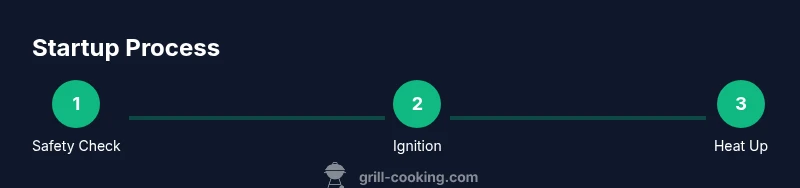
To get your grill started, choose your fuel (charcoal, gas, or pellet) and confirm the grill is clean and safe to use. For charcoal, light a proper starter and wait for the coals to ash over; for gas, preheat with all burners on and the lid closed; for pellets, set the hopper and heat to the recommended temp. Once heated, oil the grates and begin cooking.
Why getting your grill started correctly matters
A solid startup sets your grill up for even heat, better searing, and safer cooking. If you rush the ignition, you risk flare-ups, uneven temperatures, and unevenly cooked food. The Grill Cooking team has found that a deliberate startup reduces troubleshooting during cooking and helps you hit your target temps faster. By understanding the differences between charcoal, gas, and pellet grills, you can tailor your approach for flavor, efficiency, and safety. Whether you’re feeding a family or entertaining friends, a controlled startup keeps the recipe of success intact from the first flame to the last bite.
Safety first: essential checks before ignition
Before you light anything, scan the area for hazards and ensure a clean, dry surface around the grill. Check propane connections for leaks, inspect hoses for wear, and confirm there’s adequate ventilation. Never use a damaged hose or a grill indoors or in a garage. Have a fire extinguisher or baking soda nearby, and keep kids and pets away during startup. These precautions save time and prevent accidents, especially when dealing with gas or charcoal coals.
Fuel options explained: charcoal, gas, and pellet at a glance
- Charcoal grills deliver classic flavor through direct and indirect heat but require careful lighting and ventilation.
- Gas grills heat quickly, with simple ignition and precise temperature control, ideal for weeknights.
- Pellet grills blend ease with versatility, using a hopper-fed fire to maintain steady temperatures. Knowing your fuel type helps you plan the startup steps and heat management for your cooks.
Heat management and zone planning
Good startup practice includes establishing a primary heat zone and an optional cooler zone. For charcoal, you’ll build a hot bed of coals and manage airflow with the vents. For gas, preheating with the lid closed ensures even heat distribution. Pellet grills maintain a steady temperature once the hopper and auger are feeding consistently. Understanding heat zones prevents scorching and undercooked centers, and sets you up for successful searing and indirect cooking.
Grate prep and oiling for nonstick performance
Clean grates thoroughly to remove residue, then oil lightly to prevent sticking. A dry grate will lead to uneven marks and tearing, while a lightly oiled surface improves both flavor and crust formation. Use a long-handled brush or a paper towel held with tongs to apply a thin coat of high-smoke-point oil just before your first batch of food. This simple step pays off with cleaner grates and crisper sears.
Safety considerations and best practices
Always follow your grill’s manufacturer guidelines for ignition and vent settings. Use long-handled tools to avoid reaching over flames, wear heat-resistant gloves, and never leave a lit grill unattended. If you smell gas or detect a leak, turn off the fuel immediately and recheck connections before relighting. Safe startup habits protect you and your guests while preserving your grill.
Quick-start mindset: troubleshooting common startup hiccups
If your grill struggles to ignite, double-check fuel supply, vents, and ignition sources. For charcoal, ensure the starter method is appropriate and the coals are dry. For gas, confirm the regulator is functioning and the burners light in sequence. Pellet grills may need a moment for the auger to feed pellets; give it a few minutes while monitoring the flame. Patience during startup reduces frustration during the cook.
Tools & Materials
- Charcoal grill brush(for cleaning grates before lighting)
- Chimney starter or lighter cubes(for charcoal startup)
- Long-handled tongs(to safely move hot coals or meat)
- Long lighter or built-in igniter(for ignition without getting close to flames)
- Heat-resistant gloves(protect hands during startup)
- Oil with high smoke point(for oiling grates)
- Spray bottle with water(control minor flare-ups)
- Thermometer or probe(monitor internal temps)
- Gas grill hose check tool(inspect hoses for leaks)
- Pellet hopper and pellets(for pellet grills startup)
- Fire extinguisher(safety readiness)
Steps
Estimated time: 30-45 minutes
- 1
Check safety area and fuel supply
Survey the cooking area for clearance, remove flammable items, and confirm the fuel source is connected properly. This prevents flare-ups and leaks and sets the stage for a smooth startup.
Tip: Have a backup extinguisher accessible and ensure everyone stays clear of the grill during ignition. - 2
Clean and oil the grates
Use a grill brush to scrub the grates hot, then wipe with a lightly oiled cloth or spray to create a non-stick surface. Clean grates improve searing and reduce sticking.
Tip: Do this while the grill is still hot enough to scrub effectively, but away from direct flames to avoid splatter. - 3
Choose your startup path
Decide whether you’re starting charcoal, gas, or pellet. Gather the corresponding tools and follow the appropriate lighting sequence. This focused approach minimizes mistakes.
Tip: If you’re new to grilling, charcoal requires more airflow control; gas is quickest, and pellets offer steady heat. - 4
Light charcoal with a chimney starter
Fill the chimney with charcoal, place the starter on the grate, and light from the bottom. Allow the coals to burn until they are covered with white-gray ash, usually 10-15 minutes.
Tip: Do not rush the ash-forming stage; ashy coals burn more evenly and provide stable heat. - 5
Preheat a gas grill with lid closed
Open the lid, turn on the burners to high, and close the lid. Preheat until the grill reaches the target temperature, typically about 10-15 minutes, for optimal searing.
Tip: Avoid opening the lid repeatedly during preheat; this wastes heat and lengthens the startup. - 6
Power up a pellet grill and set a target temp
Turn on the pellet grill, ensure pellets feed and the auger runs, then set the desired cooking temperature. Wait until the grill stabilizes at that temperature.
Tip: If using a new grill, allow extra minutes for the digital controller to calibrate and steady-state temp.
FAQ
What is the safest fuel to start a grill?
Gas grills are typically the easiest to start and control, but all grills require proper safety checks, clean fuel connections, and readiness to handle flare-ups. Always follow manufacturer guidelines and keep a fire extinguisher on hand.
Gas grills are usually easiest to start, but always follow safety checks and have a fire extinguisher nearby.
How long should I preheat a charcoal grill?
Charcoal should reach a steady, ashy glow before cooking, typically about 10-15 minutes after lighting. Let the coals settle and distribute evenly for consistent heat.
Preheat charcoal for about 10 to 15 minutes until they are ashy and ready to cook.
Is it okay to start a grill indoors?
No. Starting a grill indoors creates a serious fire and carbon monoxide risk. Always operate grills outdoors in a well-ventilated area.
Grills should never be started indoors; always grill outside in a well-ventilated space.
Do pellet grills require preheating like gas grills?
Pellet grills do require preheating, but the process is mostly automatic. Set the temperature and allow the grill to reach the target heat before adding food.
Yes, pellet grills need preheating to reach the target temperature before cooking.
Can I light charcoal without lighter fluid?
Yes. A chimney starter or electric lighter can reliably ignite charcoal without fluids, reducing chemical flavor and flare-ups.
You can use a chimney starter or electric lighter instead of lighter fluid.
Should I close the lid while lighting charcoal?
Yes, closing the lid helps limit oxygen, controls flare-ups, and heats the charcoal more evenly once you start cooking.
Close the lid for better control and even heating during startup.
What should I do if a flare-up happens?
Move food away from the flare, open vents to feed oxygen, and use a spray bottle or long tongs to control the flame. If needed, remove the meat and close the lid to cool the area.
If a flare-up occurs, move food away and manage the flame with tools and proper ventilation.
Watch Video
Quick Summary
- Choose fuel type and follow its startup path.
- Prioritize safety: area, gas connections, and flare-ups.
- Preheat properly for reliable heat and searing results.
- Oil grates for easier release and better crusts.
- Maintain a clean, organized startup routine to reduce surprises.