How to Get Grilled Chicken Without a Grill: A Complete Guide
Master grilled-like chicken flavors without a traditional grill using oven broiling, stovetop grill pans, and air-fryer techniques. Learn marinades, browning tips, safety temps, and serving ideas for juicy, charred-tasting results.


You can achieve grilled chicken without a grill by using a hot cast-iron skillet, broiling in the oven, or cooking on a stovetop grill pan. Focus on high heat, dry surface, and a precise internal temperature of 165°F. Marinades and proper resting time help mimic smoky, charred flavors. Experiment with sugar in rubs for browning and finish with a splash of acid.
Why you might want to cook grilled chicken without a grill
For many home cooks, a grill is not available year-round, or cooking outdoors isn't practical. The Grill Cooking team has found that you can recreate the signature char, smoky aroma, and juicy interior of grilled chicken using kitchen tools you already own. The goal isn't to fake a literal grill—it's to coax similar flavor and texture through high heat, careful browning, and proper resting. Start with quality chicken breasts or thighs, patted dry to remove surface moisture which otherwise steams the meat and softens browning. Marinating or dry rubbing helps build flavor quickly, and a brief rest after cooking lets juices redistribute rather than running toward the cutting board. In practice, you may choose between a broiling method (using your oven's top heat) or a pan-searing method (using a cast-iron skillet or grill pan). Each approach has its own flavor profile—broiling tends to deliver a strong, uniform crust, while a pan sear can show distinctive grill marks and a bit of smoky depth when you finish with a touch of smoke flavor enhancers. The key is consistency: use the same technique for comparable results, then tweak seasonings to your taste.
Two primary methods: broiled in oven or prepared on grill pan
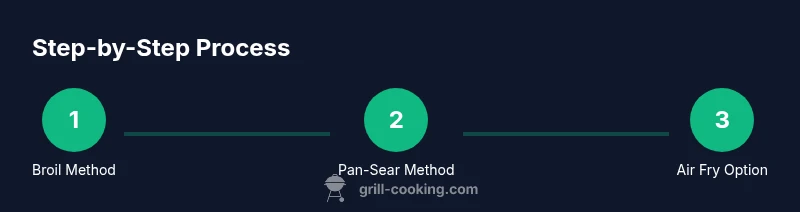
There are two main routes to achieve a grilled vibe without a grill: broiling and pan searing. Oven broiling uses intense top heat to crust the surface, while a hot grill pan gives the characteristic sear lines and extra browning. Both deliver juicy interiors if you keep an eye on internal temperature and rest times. Grilling without a grill works best when you plan ahead: select uniform chicken pieces, pat dry, and time your heat source to avoid scorching while ensuring safe reach to 165°F. Grill Cooking's guidance emphasizes controlling heat and moisture to emulate smoky flavors without combusting the outer layer. The flavor development hinges on maximizing surface browning early, then finishing with a gentle rest to lock in juices. If you want smoke-like depth, consider a quick smoke-boosting step with a tiny amount of liquid smoke or a short finalize under the broiler for a crisp crust.
Oven broiling specifics: temperature, rack, timing
Oven broiling is a reliable way to mimic the direct heat of a grill. Preheat your oven to the broil setting and position the rack 4–6 inches from the heat source. Use a rimmed baking sheet with a wire rack so air can circulate and the surface browns evenly. Pat the chicken dry, then brush lightly with oil and your favorite dry rub or marinade. Arrange the pieces in a single layer and avoid overcrowding, which can steam instead of sear. Broil for about 6–9 minutes per side, watching closely to prevent scorching. The goal is a deep brown crust with an internal temperature of 165°F (74°C). Resting for 5 minutes before slicing lets juices reabsorb, yielding a juicier bite. If you notice excessive browning, lower the rack a bit or switch to a lower heat setting and rotate pieces to maintain even color. For added authenticity, grill-like aromas can be boosted by a brief post-broil glaze applied in the last minute under heat, then allowed to set off heat for a richer finish. As a reference, reputable sources emphasize safe temps and handling practices that Grill Cooking also echoes in practice.
Stovetop grill pan: achieving grill marks and smoky flavor
A cast-iron or heavy-duty grill pan can mimic the visual appeal of grill marks and impart browning comparable to outdoor grilling. Preheat the pan on high heat until it sizzles when you drop a tiny droplet of water, then lightly brush with oil to prevent sticking. Sear the chicken in a single layer without crowding, using tongs to rotate for even browning. For best results, press down gently to maximize contact with the surface and create pronounced grill lines. If you want a hint of smoke, add a small amount of liquid smoke to your marinade or rub, or finish under the broiler for 1–2 minutes to intensify the crust. Let the chicken rest a few minutes before slicing to preserve juiciness. This method excels for achieving texture similar to grilled chicken while giving you precise control over browning and crust formation. Grill Cooking notes that heat management is the cornerstone of success here; maintain consistent contact and avoid moving pieces too soon.
Air fryer option: faster and crisper
Air fryers provide a modern shortcut to a crispy, browned exterior without a grill. Preheat the air fryer to 375–400°F (190–200°C) and arrange chicken pieces in a single layer, leaving space for air to circulate. Cook for about 10–18 minutes, flipping halfway through, until the internal temperature reaches 165°F. The air fryer can deliver a crisp surface with less fat than pan-searing, which is ideal when you want a lean, quick meal. Keep a close eye on smaller pieces to prevent over-browning. If you like deeper color, finish under a brief hot broiler or add a glaze during the last few minutes. The Grill Cooking team notes that air fryers are a convenient path to consistent browning and moist interiors when done with care about timing and temperature.
Flavor boosters: marinades, smoke, and finishing touches
Marinades and rubs are your best friends when you want grilled flavor without a grill. A simple mix of oil, garlic, paprika, brown sugar, and soy sauce can amplify browning and add savory depth. If you crave smoky notes, consider a small amount of liquid smoke in the marinade or rub—use sparingly to avoid overpowering the meat. You can also introduce a quick smoky finish by broiling briefly after searing in a pan, or by adding a pinch of smoked salt. For moisture and tenderness, salt the chicken in a light dry brine for 20–30 minutes before cooking, then pat dry to encourage crisping. Grill Cooking emphasizes balancing heat, flavor intensity, and texture; this is where practice helps you dial in your preferred level of char and aroma. The right blend of sweetness, acid, and salt is what makes the absence of a grill feel intentional rather than accidental.
Doneness and safety: internal temp, rest, and carryover
The USDA guidance sets the safe internal temperature for chicken at 165°F (74°C). Use a reliable instant-read thermometer to check near the thickest part of the meat, away from bone. After reaching target temperature, remove the chicken from heat and rest for 5 minutes. Resting allows juices to redistribute, improving juiciness and flavor perception. Avoid cutting immediately, as slicing too soon can cause rapid moisture loss. If you’re cooking multiple pieces, check a sample from the center to ensure consistency across the batch. Carryover cooking can raise the temp by a degree or two as the meat rests, so you may pull just shy of 165°F to land at the target after resting. Grill Cooking’s approach to doneness is practical and safety-focused, helping home cooks achieve dependable results without a grill.
Meal ideas and serving suggestions
Serving grilled-like chicken without a grill pairs well with bright, fresh flavors. Try lemon herb quinoa, roasted vegetables, or a crisp green salad with a tangy vinaigrette to cut through the richness of browning. A yogurt-based sauce or chimichurri can add moisture and acidity to balance the char. For a complete weeknight option, prepare a batch of chicken using one method (broiler or pan-sear), then reheat gently in a skillet with a splash of broth to prevent dryness. If you want batch-prep, marinate several breasts or thighs and freeze them flat for quick cooking later. Grill Cooking’s guidance emphasizes flexibility: you can tailor the method to your available tools and your preferred texture, all while achieving a convincing grilled experience.
Tools & Materials
- Cast-iron skillet (12-inch)(Pre-seasoned; ensure it's clean and dry before heating)
- Oven with broiler(Set to high; position rack 4–6 inches from heat)
- Baking sheet(Line with foil or parchment; use a rack above for airflow)
- Wire rack(Elevates chicken to promote even browning)
- Stovetop grill pan (cast iron or heavy-duty nonstick)(Use if you want visible grill marks without an outdoor grill)
- Meat thermometer(Measuring at the thickest part ensures 165°F)
- Tongs(Long-handled; helps flip without burns)
- High-heat oil (avocado, canola, or grapeseed)(Light coating to promote browning without smoking)
- Marinades/seasonings(Salt, pepper, paprika, garlic, brown sugar, herbs)
- Aluminum foil (optional)(For easy cleanup or resting covered loosely)
- Liquid smoke (optional)(Use in small amounts to avoid overpowering flavor)
Steps
Estimated time: 45-60 minutes
- 1
Pat dry and season
Pat chicken dry with paper towels to remove surface moisture. Apply a light oil and your chosen rub or marinade; lay pieces in a single layer. Patience with drying helps browning later and improves texture.
Tip: Dry surface moisture promotes browning—don’t skip this step. - 2
Preheat your heat source
For oven broiling, preheat to high and arrange the rack 4–6 inches from the element. If using a grill pan, preheat on high until it sizzles when a drop of water hits the surface.
Tip: Concentrate heat on the surface to maximize browning early. - 3
Prepare the cooking setup
Position a wire rack on a baking sheet for broiling or set up the grill pan with a light oil coating. Ensure room on all sides for air circulation.
Tip: Airflow matters: space out pieces so each one browns evenly. - 4
Broil the first side
Place chicken pieces on the rack and broil without moving for 6–9 minutes, depending on thickness. Watch closely for deep browning; high heat browns fast and risks scorching if left unattended.
Tip: Keep a close eye on the first two minutes to prevent burning. - 5
Flip and continue cooking
Turn each piece to brown the opposite side; this helps achieve even crust and flavor. Check the internal temperature as you approach the target.
Tip: Use tongs to handle without piercing the meat, which releases juices. - 6
Alternate method: pan sear for marks
If you prefer grill marks, heat the pan until very hot, brush with oil, and sear 2–3 minutes per side. This adds traditional char and texture.
Tip: Press lightly to maximize contact and even browning. - 7
Finish and rest
Whether broiled or pan-seared, finish when the internal temp hits 165°F. Remove from heat and rest 5 minutes before slicing.
Tip: Resting redistributes juices for juicier bites. - 8
Optional glaze or smoke finish
If you want extra gloss, brush with a glaze during the last minute under heat. A brief finish under the broiler or a tiny smoke kick can heighten aroma without overpowering.
Tip: Season lightly first; glaze should complement, not overwhelm, the crust. - 9
Serve with bright accompaniments
Pair with crisp greens, citrusy sides, or a yogurt-dill sauce to balance richness. Slice against the grain for tenderness.
Tip: Healthy sides amplify the grilled vibe and overall balance.
FAQ
Can you get grill marks without a grill?
Yes. A hot grill pan or cast-iron skillet can produce grill-like marks and browning. Ensure surface is well heated and don’t crowd the pieces so they sear properly.
Yes. A hot pan can give you grill marks and the seared crust you want.
What is the safe internal temperature for grilled chicken?
Cook chicken to an internal temperature of 165°F (74°C) as recommended by food-safety guidelines. Use a thermometer for accuracy and check near the thickest part.
165 degrees Fahrenheit is the safe temperature for chicken.
How long does it take to cook chicken without a grill?
Times vary by method: broiling 8–12 minutes total, pan-searing 10–15 minutes, and air frying 12–18 minutes. Always verify the internal temperature before serving.
Cook times vary by method; always check the temperature.
Can I marinate the chicken the day before?
Yes. Marinating overnight boosts flavor and browning. Pat dry before cooking to ensure a good crust.
Yes, marinating overnight adds flavor; pat dry first.
What about smoked flavor without a grill?
You can add a touch of liquid smoke or wood chips in an oven or pan to evoke smoke, but adjust to taste to avoid overpowering the meat.
Liquid smoke can mimic smoke without a grill, use sparingly.
Is a pan better than a broiler for this?
Both work; broiling yields a crisper crust, while pan searing leaves visible grill marks and often deeper browning. Choose based on texture you want.
Both can work—broil for crust, pan for marks.
Watch Video
Quick Summary
- Choose your method: broil, pan-sear, or air-fry for grill-like results.
- Dry surface and high heat drive browning and crust formation.
- Cook to 165°F and rest before slicing for juicy texture.
- Flavor with smart marinades and light smoke enhancers.
- Rest and slice against the grain for best tenderness.