How to Grill Without a Grill: A Practical Guide for Home Cooks
Learn practical, tested methods to grill without a traditional grill—pan searing, broiling, and smoky flavor tactics for home cooks year-round.


You can grill without a grill by using a hot cast-iron pan on the stove, a broiler in the oven, or a portable burner outdoors. The key is high, even heat, dry surfaces, and a plan to finish with indirect heat or smoke for flavor. With practice, you can achieve sear, grill marks, and juicy results year-round.
What 'grilling without a grill' means
Grilling without a traditional grill means creating a high-heat, searing environment using kitchen-friendly tools and alternative heat sources. It’s about achieving a fast crust, distinctive grill marks, and a smoky edge without charcoal or gas flames. This approach expands cooking options for winter weeks, small spaces, or unexpected pan heat.
Indoor methods you can rely on
Here we outline four core approaches: cast-iron grill pan on the stove, heavy-duty ridged skillet, electric grill pan if available, and the oven broiler for direct high heat. Each method has its own flavor profile and constraints; the key is heat management and ensuring meat is dry before cooking.
Getting perfect sear on a stovetop pan
To mimic a professional sear, start with a very hot pan and a dry surface. Pat meat dry, lightly oil, and avoid crowding. Place the meat and leave it undisturbed until a deep crust forms, then rotate 45 degrees for crosshatch marks. Flip once for even browning and juicy inside.
Using the oven broiler for a true grill-like finish
The broiler is your direct heat source when you can’t grill outside. Position the rack 4–6 inches from the heat and preheat the oven to the highest setting. Place meat on a broiling pan, flip as needed, and watch closely to prevent burning. A finishing glaze can add bite without sacrificing juiciness.
Outdoor alternatives when no grill is available
If you have access to a portable burner or camp stove, use a sturdy grate or a cast-iron pan over the flame. A small charcoal fire in a safe setup can also work with a rack and pan. When using open flames, maintain control and keep flare-ups in check.
Flavors and smoke without a traditional grill
You can approximate smoke flavor by using wood chips in a foil pouch placed near the heat source, or by finishing with smoked salt and bold rubs. A handheld smoking gun can add smoke flavor without outdoor cooking. For a lighter touch, choose spices like paprika, cumin, and garlic to evoke grilled notes.
Vegetables and sides that shine without a grill
Vegetables like asparagus, zucchini, peppers, and corn can develop rich char using a ridged pan or broiler. Toss with a light oil and salt before cooking, and rotate for even browning. For sides, consider sheet-pan potatoes or caramelized onions finished under the broiler.
Safety, ventilation, and cleanup
Ventilate well when broiling or cooking with smoke-enhancers. Use heat-resistant gloves, avoid overheating oil, and clean the pan promptly after use to prevent stubborn residue. Cast-iron benefits from seasoning and proper drying to prevent rust.
Common pitfalls and how to fix them
Common mistakes include overcrowding the pan, not preheating, and turning meat too early. Fix by cooking in batches, preheating for several minutes, and letting a crust form before flipping. Rest meat after cooking to retain juices and finish with a light glaze if desired.
Tools & Materials
- Cast-iron grill pan(Preheat until very hot (roughly 450-500°F / 232-260°C) for best sear.)
- Oven broiler or broiler pan(Use high heat and a rack 4-6 inches from heat.)
- Sheet pan with rack (optional)(Useful for finishing in the oven or crowd-controlled cooking.)
- Tongs(Good grip for turning without piercing the meat.)
- Meat thermometer(Ensures safe and precise doneness.)
- Wood chips or smoke alternatives(Foil pouch with holes can deliver mild smoke flavor on a stove/oven.)
- Heat-resistant gloves(Protect hands when handling hot pans and broiler pans.)
Steps
Estimated time: 45-60 minutes
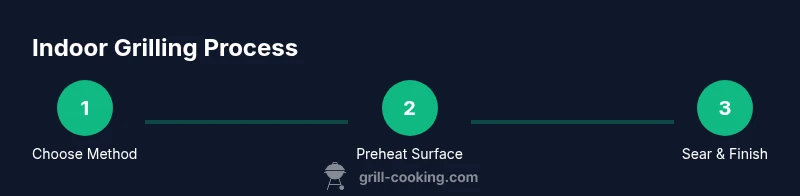
- 1
Choose your method
Decide whether you’ll rely on a stove-top pan, the oven broiler, or an outdoor portable burner. This choice shapes heat management and timing for your dish.
Tip: Pick one primary method to avoid heat confusion and achieve a consistent crust. - 2
Preheat your cooking surface
If using a cast-iron pan, place it on the burner and heat on medium-high until it’s very hot. For broiling, preheat the oven to its maximum setting with the rack in the upper third.
Tip: A hot surface is essential for quick browning and good sear; don’t skip this step. - 3
Prepare the ingredients
Pat dry the meat or vegetables, trim excess moisture, and season lightly. A dry surface ensures a crust while seasoning adheres to the surface.
Tip: Patience here pays off: moisture will steam instead of searing. - 4
Sear with direct heat
Place food in the hot pan or under the broiler to form a crust. Do not move it immediately; allow 1-2 minutes for a crust to form before turning.
Tip: Rotate 45 degrees midway to achieve attractive crosshatch marks. - 5
Finish with indirect heat
If the interior still needs cooking, move to indirect heat or finish in the oven. Use a thermometer to avoid overcooking.
Tip: For larger cuts, aim for a 5-10°F carryover rise after removing from heat. - 6
Add smoky flavor
Enhance flavor with a foil-foil pouch of wood chips near heat or a pinch of smoked salt. A handheld smoker can be used if available.
Tip: Keep smoke subtle to prevent bitterness; start with light doses. - 7
Rest and serve
Let meat rest 5-10 minutes to reabsorb juices. Slice against the grain and serve immediately for best texture.
Tip: Resting is as important as the cook itself; it improves juiciness.
FAQ
Can you grill without a grill?
Yes. You can grill without a traditional grill by using a hot cast-iron pan on the stove, a broiler in the oven, or a portable burner outdoors. Searing followed by finishing with indirect heat helps mimic classic grilling.
Yes. You can grill without a grill by using a hot pan on the stove, the oven broiler, or a portable burner outdoors, then finish with indirect heat.
What equipment do I need?
Key items include a cast-iron grill pan, a reliable broiler, tongs, a meat thermometer, heat-resistant gloves, and optional wood chips or smoked salt for flavor.
Essential gear includes a grill pan, a broiler, tongs, a thermometer, gloves, and optional smoke enhancers.
How do I get grill marks indoors?
Preheat a ridged pan until very hot, pat dry the meat, and press it onto the ridges. Let it sear without moving for 1-2 minutes, then rotate 45 degrees and flip to create crosshatch marks.
Preheat a ridged pan, press the meat down, sear without moving, then rotate for crosshatch marks.
How long does indoor grilling take?
Most indoor grill alternatives take 15-25 minutes for smaller cuts; larger roasts may require 30-45 minutes plus resting time. Use a thermometer to verify doneness.
Indoor grilling usually takes 15-25 minutes for small cuts, longer for larger ones; use a thermometer to check doneness.
Can I get smoky flavor without a grill?
Yes. Use foil-wrapped wood chips near heat or smoked salt, or a handheld smoker if available. Start with a light smoke to avoid overpowering the food.
Yes. Try wood chips in foil near heat or smoked salt, or a handheld smoker for a subtle smoke.
Is indoor grilling safe?
Yes when done with ventilation and careful handling. Keep oil temperatures controlled, use gloves, and clean equipment after cooking to prevent buildup or fires.
Indoor grilling is safe with ventilation, careful heat control, and proper cleanup.
Watch Video
Quick Summary
- Preheat properly to achieve crust.
- Use indirect heat to finish cooking indoors.
- Add smoke flavor with safe alternatives.
- Ventilate and monitor temps for safety.
- Rest meat to lock in juices.