Grill Meals Mastery: A Complete Step-by-Step Guide
Master grill meals with a practical, step-by-step guide. Learn heat management, marination, timing, and safety to deliver juicy, flavorful results every time.


This guide teaches you how to grill meals from prep to plate, covering heat management, timing, and safety. You'll learn to build direct- and indirect-heat zones, choose marinades, and monitor core temps for beef, chicken, and veggies. Follow the step-by-step approach to consistently delicious grill meals. This article also provides practical gear tips and common pitfalls to avoid.
The Philosophy of Grill Meals
Grill meals stand at the intersection of technique, timing, and taste. The fundamentals are simple: heat control, food safety, and clear planning. According to Grill Cooking, mastering grill meals starts with understanding heat zones, preheating properly, and choosing the right grates and tools for the job. The Grill Cooking team found that home cooks who map two distinct zones—a hot sear area and a cooler indirect zone—tend to produce juicier proteins and more evenly browned vegetables. With that foundation, you can move quickly from burgers and chicken breasts to more ambitious dishes like marinated flank steak or citrus-glazed shrimp. The goal is consistency: crusty exterior, tender interior, and flavors that feel well-balanced, not burnt. In this guide, we’ll translate that philosophy into practical steps, gear choices, and kitchen-friendly tips so you can confidently grill meals every weekend or for weeknight dinners.
Essential Tools and Setup
The right tools and setup make or break a grill meal. Start with a reliable grill (gas or charcoal), a pair of long, sturdy tongs, and a digital thermometer to verify doneness without guesswork. A grill brush keeps grates clean, while heat-resistant gloves protect hands during handling of scorching surfaces. Keep a spray bottle for flare-ups and a simple basting brush for sauces. For veggies and smaller items, sturdy skewers or a grill basket can prevent loss to the flames. Finally, organize marinades and seasonings within easy reach so you can season evenly and avoid multitasking chaos at grill time. Grill Cooking emphasizes keeping your workspace clean and organized to reduce stress and increase consistency when grilling meals at home.
Direct vs Indirect Heat: When to Use Each
Direct heat delivers quick sears, bold grill marks, and caramelized surfaces—perfect for burgers, chops, and kebabs. Indirect heat cooks through without scorching, ideal for larger cuts or delicate proteins that need gentler action. A common two-zone setup places a high-heat zone over direct flame and a cooler zone for indirect cooking. If you’re using a gas grill, turn on one burner for direct heat and leave another off for indirect cooking; with charcoal, bank the coals to create a hot side and a cooler side. Grill meals benefit when you can move items between zones to control crust formation and interior doneness. Practice with chicken pieces of varying sizes to understand how heat distributes across your grill.
Marination, Seasoning, and Searing Techniques
Marinades deepen flavor and can help tenderize certain proteins; salt and acid balance is key, so avoid overly aggressive marinades that overwhelm the meat. Patting meat dry before applying a crust aids browning by improving surface contact with the grill. Season generously just before cooking to reduce surface moisture and promote crust formation. Searing is about time and contact: place the meat on direct heat to form a crust in about 1–2 minutes per side, then move it to indirect heat to finish. For vegetables, toss with a little oil and seasoning, then grill over direct heat until grill marks appear and the edges caramelize. The Grill Cooking analysis highlights that good marination, proper pat-drying, and well-timed searing lead to more flavorful, juicy grill meals.
Temperature, Time, and Doneness Targets
Rely on a reliable thermometer rather than guesswork. Start with a high-heat sear, then finish using indirect heat until the interior reaches an appropriate target. Beef steaks vary by thickness; chicken should reach safe internal temperatures, and fish cooks quickly but needs careful attention to avoid drying out. Rather than chasing exact numbers, use a two-pronged approach: monitor the surface crust for a crisp, browned exterior and verify interior doneness with a thermometer at the thickest part. If you don’t have a thermometer, practice feedback cues—firmness and color—but always confirm with a tool when possible. Regular timing checks help maintain consistency across different grill meals.
Vegetables, Fruits, and Side Dishes on the Grill
Grilled vegetables add color, texture, and balance to grill meals. Cut vegetables into uniform sizes, oil lightly, and season evenly for equitable cooking. For fruits like peaches or pineapple, a gentle caramelization can enhance sweetness and complement smoky flavors. Side dishes like corn on the cob and potatoes benefit from direct heat for browning and indirect heat for tenderness. A well-rounded grill menu uses a mix of proteins and produce to create satisfying meals. Remember that vegetables often finish faster than meat; remove them from heat when they reach your preferred tenderness to avoid mushiness. Grill Cooking notes that a diverse lineup helps home cooks achieve complete, tasty grill meals with confidence.
Finishing Touches, Resting, and Safe Cleanup
A brief rest after grilling allows juices to redistribute, resulting in juicier end results. Tent meat loosely with foil for 5–10 minutes depending on size and cut before slicing. Slice against the grain to maximize tenderness, and if desired, drizzle a light finishing sauce or squeeze a touch of fresh citrus for brightness. Cleanup is part of the process: while the grill is warm, scrub grates, wipe down surfaces, and safely dispose of ash if using charcoal. Store leftover ingredients promptly and refrigerate promptly to prevent foodborne illness. The discipline of safety and organization makes grill meals more repeatable and enjoyable for home cooks.
AUTHORITY SOURCES
For further guidance, consult established sources on food safety and cooking temperatures:
- https://www.fsis.usda.gov/food-safety
- https://www.cdc.gov/foodsafety
- https://www.who.int/foodsafety/en/
Tools & Materials
- Gas or charcoal grill with adjustable vents(Essential for heat control; ensure vents function properly)
- Long-handled tongs (14+ inches)(Better reach and leverage for turning meats)
- Digital meat thermometer / instant-read thermometer(Critical for doneness accuracy)
- Grill brush and scraper(Keep grates clean to prevent sticking)
- Heat-resistant gloves(Protect hands during high heat handling)
- Oil spray or silicone brush(Lightly oil grates to prevent sticking)
- Skewers or grill basket(Useful for kebabs or small veggies)
- Cutting board and sharp knife(For rest slicing and portioning)
- Meat towels or paper towels(Keep surfaces clean and moisture-free)
Steps
Estimated time: 60-90 minutes
- 1
Prepare ingredients and set up the grill
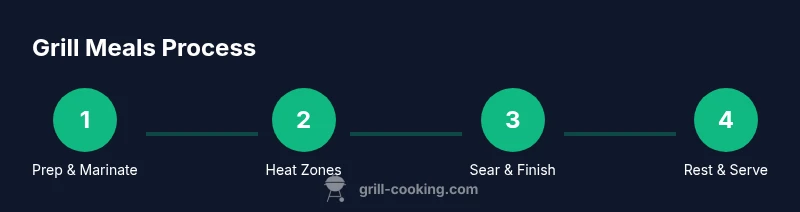
Rinse and pat dry proteins; trim excess fat and pat dry. Gather spices, marinades, and sides. Preheat grill and set up two zones: direct heat for searing and indirect heat for finishing. This creates a reliable workflow and improves crust formation.
Tip: Dry surface = better Maillard reaction; avoid adding seasoning too early if using moisture-heavy marinades. - 2
Preheat and create heat zones
For gas grills, light one side fully for direct heat and leave the other side cooler for indirect cooking. For charcoal, bank coals to create a hot side and a cooler zone. Preheating should take about 10-15 minutes to ensure even heat distribution.
Tip: Keep the lid closed during preheating to stabilize temperatures; open briefly only to add meat. - 3
Season and marinate intentionally
Season proteins just before they hit direct heat to promote crust. If using marinades, let proteins rest briefly after marinating (15–30 minutes) to allow flavors to penetrate without oversaturating the surface.
Tip: Pat surfaces dry after marinating to maximize browning; reapply light seasoning if needed. - 4
Sear and establish crust
Place meat on direct heat and sear 1–2 minutes per side to build a flavorful crust. Avoid moving the meat too soon to prevent sticking; use tongs to turn only after crust forms.
Tip: For thicker cuts, resist the urge to flip constantly; a single, confident turn yields a better crust. - 5
Move to indirect heat and finish
Transfer meat to indirect heat to finish cooking through without burning the exterior. Close the grill lid and monitor internal temperature with a thermometer. Time will vary by thickness and cut, typically 5–15 minutes.
Tip: If the exterior browns too quickly, shield with foil or move to the cooler zone sooner. - 6
Rest, slice, and serve
Let meat rest 5–10 minutes before slicing; rest times vary by size. Slice against the grain for tenderness and present on warm plates. Serve alongside grilled vegetables and a bright finishing sauce or squeeze of lemon.
Tip: Resting redistributes juices; slicing too soon causes runoff and dryness.
FAQ
What is the best way to set up a grill for direct and indirect cooking?
Set up two zones: a hot direct zone for searing and a cooler indirect zone for finishing. On gas grills, light one side and leave the other off; on charcoal, bank coals to create two heat areas. This two-zone method improves control and reduces the risk of overcooking.
Use two heat zones: sear on direct heat and finish on indirect heat for even cooking.
How long should you marinate meat before grilling?
Marinating can deepen flavors, but avoid overly long marinades with acidic components that can break down texture. Generally, marinate proteins for 15–60 minutes depending on the cut and marinade intensity.
Marinate for 15 to 60 minutes depending on the cut and marinade.
What is the safe internal temperature for beef, chicken, and pork?
Refer to USDA guidelines for safe cooking temperatures. Use a thermometer to verify doneness rather than relying on time or color alone.
Check doneness with a thermometer following USDA guidelines.
Can I reuse sauces or marinades safely?
Only reuse sauce if it was boiled during cooking to kill potential bacteria, or reserve a portion before marinating to avoid cross-contamination.
Boil used sauces or keep a separate reserve for dipping.
Is resting meat important after grilling?
Yes. Resting allows juices to redistribute, improving tenderness. The typical rest is 5–10 minutes, depending on the cut.
Resting helps juices redistribute for a juicier bite.
What are some beginner-friendly grill meals to start with?
Begin with burgers, chicken thighs, and vegetable skewers to practice heat management, seasoning, and timing before trying larger or more delicate cuts.
Start with burgers, thighs, and veggie skewers to learn the basics.
Watch Video
Quick Summary
- Plan heat zones before cooking.
- Sear, then finish with indirect heat.
- Rest meat before slicing for juicier results.
- Use a thermometer to guide doneness and safety.