Grill BBQ Mastery for Home Cooks: Step-by-Step Guide
Master grill bbq at home with a practical, step-by-step guide. Learn heat control, meat prep, temps, and safe grilling practices for perfect steaks, chicken, ribs, and veggies. Includes gear tips, maintenance, and a quick FAQ to resolve common grill issues.


Grill BBQ mastery starts with planning heat zones, choosing the right grill, and following a clear step-by-step method. This quick answer points you toward a full guide that covers temps, timing, and safety. You’ll learn how to sear, finish, and rest meats for juicy results with crusty edges. Ready to grill like a pro?
Mastering the Grill BBQ Setup
Grill bbq success begins with a deliberate setup. Start by choosing a suitable cooking area that is well-ventilated and away from flammable materials. Clean the grill grates, oil them lightly, and check for fuel connections or charcoal supply. Establish safety rules for kids and pets, and keep water ready for flare-ups. A tidy workspace speeds up cooking and reduces mistakes when the grill heats unevenly. Plan your workflow: preheat, prep, sear, rest, and clean up as a repeatable routine. This approach gives you reliable results and a safer grilling experience for every session.
Grill BBQ Options: Charcoal, Gas, or Pellet
Choosing the right grill bbq style depends on flavor, ease, and cook times. Charcoal delivers that classic smoky profile and high-heat searing, but requires more hands-on management. Gas grills offer quick heat-up, precise temp control, and steady performance, ideal for weeknight meals. Pellet grills combine smoke and automation for longer cooks with minimal effort. Consider your preferred flavor, space, and budget, then invest in a grill that aligns with your goals. Don’t forget fuel storage and safe handling as part of your decision.
Heat Management: Direct vs Indirect Grilling
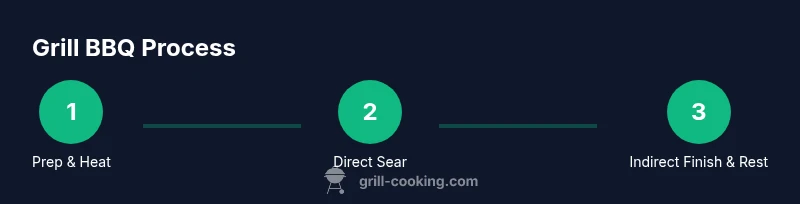
Effective grill bbq relies on mastering heat zones. Direct heat (high heat, right above the flame) is perfect for searing and developing crusts on steaks, chicken skin, and chops. Indirect heat (cooler zones, away from the flame) slowly roasts larger cuts and cooks through thick pieces without burning the exterior. The two-zone method ensures crust formation without charring the interior. When you’re ready to rotate or move food, use tongs rather than forks to preserve juices and texture.
Food Prep and Marinades for Grill BBQ
Preparation matters as much as fire. Pat meats dry to promote browning, then apply a dry rub or marinade according to the cut. Marinades add flavor and can help tenderize tougher meats, but be mindful of salt levels when brining. Let dry rubs sit for at least 15–30 minutes before cooking, or up to overnight for deeper flavor. For vegetables, coat with a light oil and seasonings to ensure even charring. Proper prep reduces sticking, enhances crust, and speeds up overall cook time.
Temperature Targets and Timing for Common Meats
Knowing target temperatures is essential for grill bbq success. Poultry should reach a safe internal temperature to prevent foodborne illness, while beef and pork vary by desired doneness. Use a reliable meat thermometer and verify near the end of cooking to avoid overcooking. Resting periods allow juices to redistribute, improving tenderness and flavor. Plan for carryover cooking, especially with larger cuts, so you pull meat just before it hits the final target.
Cooking Techniques: Searing, Reverse Searing, and Smoking
Searing creates a flavorful crust in minutes by applying high direct heat. Reverse searing starts with indirect cooking to reach an even internal temperature, followed by a high-heat finish for a crust. Smoking on a grill bbq involves added wood flavor and slower temps to infuse depth into tougher cuts. Each technique serves different meat types and schedules, so adapt based on thickness and desired texture. Practice makes perfect, so experiment with small tests to dial in timing.
Troubleshooting Common BBQ Hiccups
Flare-ups are common but manageable with quick action: move meat away from flames, reduce fat exposure, and keep the lid closed to deprive fire of oxygen. Food sticking to grates signals insufficient oil or improper heat; preheat properly and oil grates just before cooking. Dry meat emerges from overcooking or insufficient resting; use a thermometer and plan rest times to preserve juiciness. If temp control is challenging, switch to a two-zone setup and monitor temps with a grill thermometer.
Tools, Accessories, and Safety Gear
Equip yourself with essential gear: long tongs, a two-zone grill setup, a digital thermometer, a heat-resistant glove, a sturdy grill brush, and a drip tray or foil for quick cleanups. Wood chips or chunks add flavor on charcoal or pellet grills; soak wood chips when using direct heat to prevent instant flare-ups. Keep spray bottle for moisture and a spray bottle for flame management. Safety first means having a fire extinguisher nearby and never leaving the grill unattended.
Flavor Enhancements: Rubs, Sauces, and Wood Smoke
Layer flavor with a balanced approach: start with a base rub that enhances the meat’s natural flavors, then finish with a complementary sauce on the side or during the final minutes. Wood smoke elevates aromatics; choose fruitwood for poultry, hickory for pork, and mesquite with caution for strong flavors. Avoid applying too much sauce early, which can prevent proper crust formation. Practice makes perfect: taste, adjust, and build your signature grill bbq profile over time.
Tools & Materials
- Grill (charcoal, gas, or pellet)(Choose the type that matches your goals and space)
- Meat thermometer (instant-read)(Target temps on common meats)
- Long-handled tongs(For turning without puncturing meat)
- Wire grill brush(Clean grates before and after cooking)
- Heat-resistant gloves(Protect hands during cooking)
- Spray bottle for moisture or flare-ups(Aids in flare-up control)
- Aluminum foil or a tray(For resting and catching drippings)
- Wood chips or chunks (optional)(Add smoky flavor on charcoal or pellet grills)
- Drip pan or foil liner(Keeps grill clean and controls flare-ups)
Steps
Estimated time: 60-90 minutes
- 1
Prepare grill and tools
Set up your cooking area, select direct and indirect zones, and preheat to target temps. Clean grates and oil lightly to prevent sticking. Gather thermometers, tongs, and protective gloves nearby for quick access.
Tip: Preheating with grates clean reduces sticking and ensures even searing. - 2
Ignite and establish heat zones
Create a two-zone setup: one side high heat for searing and the other cooler side for finishing. If using charcoal, bank coals on one side and leave space for indirect cooking. For gas grills, set burners to create a hot and a warm area.
Tip: Two-zone setup gives you control over crust formation and interior doneness. - 3
Prep food with seasoning or marinade
Pat meat dry, apply a balanced rub, and let it rest briefly to absorb flavors. For longer cooks, consider a light brine or marinade that won’t oversalt the surface. Vegetables benefit from a light oil and seasoning boost.
Tip: Patience with resting improves flavor absorption and crust development. - 4
Sear over direct heat to crust
Place the meat directly over high heat to create a flavorful crust within 1–3 minutes per side, depending on thickness. Avoid moving it too soon to prevent sticking. Use tongs to flip for even browning.
Tip: A quick, high-heat sear locks juices and builds texture. - 5
Finish over indirect heat
Move meat to the indirect zone to finish cooking through without burning. Monitor internal temperature and adjust distance from heat as needed. This step prevents overcooking delicate cuts.
Tip: Finish at target temp, not the maximum flame height. - 6
Check temps and rest
Use a thermometer to confirm target temperatures, then transfer to a resting surface for 5–10 minutes. Resting redistributes juices and improves tenderness. Slice against the grain for best texture.
Tip: Resting time is as crucial as cooking time for juiciness. - 7
Serve and clean up
Slice, plate, and serve with complementary sides. While guests enjoy, scrub grates and wipe the hood interior to maintain performance. Store leftovers promptly to ensure safety.
Tip: A clean grill after every session extends its life and performance.
FAQ
What is grill bbq and how does it differ from standard grilling?
Grill bbq combines high-heat searing with slow, smoke-influenced cooking to enhance flavor and tenderness. It often uses multiple heat zones to manage crust and interior texture, unlike simple direct-heat grilling.
Grill BBQ uses both high heat for searing and indirect heat for finishing, giving you crust and juicy interiors.
What equipment do I need to start grilling BBQ at home?
Essential gear includes a grill suitable for your space (charcoal, gas, or pellet), a digital thermometer, long tongs, a grill brush, and heat-resistant gloves. Having a drip pan and oil for grates helps prevent sticking and flare-ups.
Get a grill, thermometer, tongs, brush, and gloves to start grilling BBQ confidently.
What are the best temperatures for common meats on a grill?
Different meats have different targets: poultry should reach the recommended safe internal temperature, beef and pork depend on doneness preferences, and fish cooks quickly. Always verify with a thermometer for safety and quality.
Check each meat’s target temperature with a thermometer to ensure safety and flavor.
How can I prevent flare-ups while grilling BBQ?
Trim excess fat, avoid fatty marinades near the flame, and keep a spray bottle for quick de-fueling. Close the lid to limit oxygen and manage the fire.
Trim fat and keep the lid down to control flare-ups during cooking.
Why is resting meat important after grilling?
Resting allows juices to redistribute, improving moisture and tenderness. Slice against the grain after resting for best texture.
Resting makes meat juicier and easier to cut.
How should I maintain and clean my grill after BBQ sessions?
While the grill is warm, brush the grates to remove residue, wipe the hood, and empty the drip tray. Regular cleaning prevents buildup and prolongs life.
Clean the grates and trays after every session to keep your grill in top shape.
Watch Video
Quick Summary
- Plan heat zones before cooking.
- Master direct vs indirect grilling for different cuts.
- Temp control and resting are essential for juiciness.
- Clean gear and proper safety preserve grill performance.