Electric Grill Smoke: How to Reduce It and Maximize Flavor
Learn how to minimize smoke when cooking with an electric grill. This step-by-step guide covers heat control, ventilation, accessories, and maintenance to keep your grill flavorful without overwhelming smoke.


Electric grill smoke is the smoke produced when fat, marinades, or juices contact hot elements in an electric grill. To keep smoke under control, focus on proper preheating, steady moderate heat, and clean, dry surfaces. Use a drip tray, a grill pan, and ensure good ventilation; avoid high-heat charring and ventilate with an exhaust fan or open windows.
Understanding Electric Grill Smoke: What Causes It?
Electric grill smoke is the visible byproduct that appears when fats, marinades, and sugars heat rapidly on the grill’s hot surfaces. Although electric grills do not use an open flame, the heating element can reach high temperatures, causing fat and juices to sizzle and burn. When drippings accumulate and contact overheated surfaces, they can ignite or produce smoke. Sugars in sauces caramelize and burn, contributing further to the haze. Even lean meats release moisture that, under searing heat, can cause steam and occasional smoke as surfaces dry and rehydrate. By understanding these sources, you can tailor your approach to minimize smoke while preserving flavor. Practical steps include preheating to a controlled temperature, using a drip tray to catch fats, patting meat dry before cooking, and selecting foods with balanced fat content. A well-ventilated kitchen amplifies the effectiveness of these strategies.
Temperature Control and Smoke Management
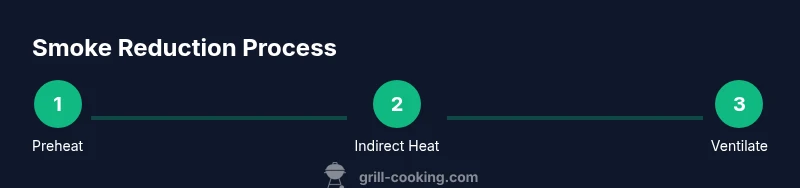
The single most important lever on an electric grill is temperature. High heat can turn even modest fat into smoke when it hits a hot element. Start by preheating the grill with the lid closed for a short, defined period, then reduce to a steady, moderate heat. If your grill supports indirect heat, move food to a cooler zone for portions of the cooking, and use a grill pan or elevated rack to keep fats away from direct contact with the heating element. This approach minimizes flare-ups and controls charring, which are major sources of smoke. Keeping temperatures in the recommended range for the protein you’re cooking yields cleaner smoke and better moisture retention.
Ventilation and Kitchen Setup for Minimal Smoke
Ventilation is the unsung hero of smoke control. In indoor environments, cracking a window, using a range hood, or employing an external fan placed near the cooking area can dramatically improve air circulation. If you grill inside, position the grill away from corners and near a vent. Use a fan to push smoke toward an open window rather than letting it circulate in the room. A well-ventilated setup reduces the sensation of smoke, even if some haze remains, and helps protect nearby kitchen occupants from irritation or coughing.
Accessories that Help Minimize Smoke
Several accessories can meaningfully cut smoke without sacrificing flavor. A drip tray captures fats before they sizzle on the heating element. A grill pan or cast-iron grate can keep foods elevated from direct heat, enabling better heat distribution and reducing flare-ups. Aluminum foil或 silicone mats can line the drip tray to simplify cleanup and prevent drippings from burning. A thermometer helps you target ideal internal temperatures without running the grill at scorching heat, which minimizes smoke from overcooked surface sugars. Finally, consider a heat deflector if your model supports one, to shield the fat from direct contact with the element.
Cooking Techniques for Flavor with Less Smoke
Choose cooking methods that emphasize even heat and moisture retention. Sear briefly on high heat, then finish on a lower setting with the lid closed to trap flavor without excessive smoke. Rest meats after cooking to reabsorb juices, reducing surface moisture that can vaporize during subsequent cuts. When using marinades or sauces, apply sugars late in the cook or during the final minutes to forestall early caramelization that produces smoke. For vegetables, toss with a small amount of oil and cook on a sheet or pan to avoid direct contact with drippings that smoke.
Troubleshooting Common Smoke Issues
If smoke spikes, identify the cause: overly oily foods, sugary sauces, or too much fat in the pan can all ignite. Clean the grill grates and drip tray before cooking, remove excess marinade, and reduce heat to prevent charring. Ensure the grill is level so drippings don’t pool and burn. If smoke persists, open ventilation wider or switch to a lower cooking temperature and shorter cook times. Regular maintenance reduces recurring issues by removing ice-like buildup and ensuring smooth air flow.
Cleaning and Maintenance to Keep Smoke Down
Cleanliness is a cornerstone of smoke control. After each cook, remove and properly dispose of drippings, wash the drip tray, and wipe the grates with a non-abrasive brush. Dry all surfaces completely before the next use to prevent moisture from causing steam and smoky effects. Periodically season the grates to improve non-stick properties and reduce sticking that can char and smoke. A clean grill not only reduces smoke but also extends the life of your equipment.
Health, Safety, and Ventilation Considerations
Smoke contains particulates that can irritate the eyes and lungs. Ensure good ventilation to minimize exposure, and consider a dedicated outdoor grilling space if you’re sensitive to indoor smoke. Install and test smoke alarms in nearby rooms, and avoid grilling in enclosed spaces without adequate ventilation. If you notice strong smoke consistently, reassess heat settings and the fat-to-protein ratio of your foods. Safety first keeps grilling enjoyable and healthy.
Quick-Start Smoke Reduction Plan for Your Electric Grill
- Preheat the grill with the lid closed for 4–6 minutes, then set to a steady medium heat. 2) Pat foods dry and lightly oil to reduce surface moisture. 3) Place a drip tray or pan under the grate. 4) Use indirect heat where possible and a grill pan to isolate fat. 5) Ventilate with a hood or fan and keep windows slightly open. 6) Monitor internal temps with a thermometer and finish with a brief rest. 7) Clean grates and tray soon after cooking.
Real-World Scenarios: Foods and Smoke Management
Different foods behave differently on electric grills. Chicken with skin may render more fat, so manage heat and airflow accordingly. Lean fish like salmon benefits from a brief sear and gentle finish to avoid dryness and smoke. Vegetables release less fat but can still smoke if sugars caramelize; pair with a grill pan and light oil to reduce direct contact with hot elements. Red meats respond well to a quick sear followed by lower heat for even completion, minimizing smoke while preserving juiciness.
Tools & Materials
- Electric countertop grill(Must be clean and functional; preheat before cooking)
- Drip tray or fat tray(Catch drippings to prevent flare-ups)
- Grill pan or cast-iron griddle(Elevates food from direct fat contact)
- Digital food thermometer(Monitor internal temps for safety and accuracy)
- Range hood or kitchen exhaust(Ventilation to carry smoke away)
- Heat-resistant gloves(Protect hands when handling hot parts)
- Oil spray or brush(Lightly oil foods to reduce sticking and scorching)
- Cleaning brush and non-scratch pad(Keep grates clean to minimize later smoke)
- Aluminum foil or silicone liners(Line the drip tray for easier cleanup)
- Paper towels(Keep surfaces dry and absorb spills promptly)
Steps
Estimated time: 60-90 minutes
- 1
Preheat with lid closed
Power on the grill and close the lid. Allow the surface to reach a steady temperature for 4–6 minutes to create a stable cooking environment and minimize uneven charring that produces smoke.
Tip: Avoid opening the lid during preheat; this cools the surface and can trigger extra smoke when you start cooking. - 2
Pat food dry and oil lightly
Pat meats dry with paper towels to reduce surface moisture. Lightly oil or spritz with a neutral oil to discourage sticking and reduce surface burning that creates smoke.
Tip: Dry surfaces reduce the amount of water turning to steam and steam equals visible smoke in some cases. - 3
Set up a drip tray
Place a drip tray under the grate to catch fats and juices. This protects the heating element from contact with oils that would smoke as they burn.
Tip: If you don’t have a tray, line the area with foil for easier cleanup, but avoid blocking airflow. - 4
Use indirect heat when possible
If your model supports it, create an indirect heat zone and move food there for the majority of the cook. Indirect heat reduces direct fat contact with hot surfaces and lowers smoke production.
Tip: A grill pan can serve as a barrier for fat, letting you finish with a controlled sear. - 5
Monitor temps and flip as needed
Keep internal temperatures in the target range using the thermometer. Flip foods to ensure even cooking and minimize prolonged surface charring that increases smoke.
Tip: Use the thermometer as your guide rather than chasing a perfect crust with max heat. - 6
Finish and rest
Remove from heat and rest foods to redistribute juices. Resting reduces surface moisture during the final minutes of cooking and cuts down on smoke from rapid moisture evaporation.
Tip: Rest times vary by protein; adjust based on thickness for best results. - 7
Ventilate during and after cooking
If indoors, run the exhaust and keep a window open. Good airflow is essential to dissipate smoke and maintain a comfortable cooking environment.
Tip: Even a small fan directed toward an open window helps move smoke out of the room. - 8
Clean as you go
Wipe grates, wash the drip tray, and dry all surfaces after cooking. Regular cleaning prevents buildup that burns later and causes extra smoke in future cooks.
Tip: Keep a dedicated brush for the grill surface—avoid cross-contamination with raw meat debris. - 9
Adjust for different foods
Different foods emit different amounts of fat and sugars; tailor heat, time, and ventilation to the item. For example, fatty cuts may require more frequent drainage or shorter high-heat periods.
Tip: Keep a small chart of your go-to foods and smoke behavior to speed setup next time.
FAQ
What causes smoke on an electric grill?
Smoke on an electric grill mainly comes from fat and sugars burning or scorching on hot surfaces, plus moisture turning to steam in high heat. Proper heat control and ventilation substantially reduce this effect.
Smoke on an electric grill mostly comes from burning fat and sugars; managing heat and improving ventilation minimizes it.
Can I use wood chips with an electric grill?
Some electric grills support smoke accessories, but most rely on closed surfaces. If your model permits it, use a dedicated smoker tray or chip box with caution, and ensure adequate ventilation to handle extra smoke.
Some models allow chips via a tray; check your user manual and ventilate well if you use them.
Does marinating increase smoke?
Marinades with high sugar content can burn and produce smoke. Apply sugary sauces toward the end of cooking or use them sparingly to reduce early caramelization.
Sugary marinades can smoke more; baste toward the end to keep smoke low.
Is it safe to grill indoors with an electric grill?
Indoor grilling with proper ventilation is generally safe for electric grills, but never grill in a closed space without adequate exhaust. Always follow the manufacturer’s guidelines and maintain smoke detectors.
Yes, with good ventilation and following the instructions.
How important is ventilation when grilling with an electric grill?
Ventilation is crucial. It removes smoke and improves air quality, making the cook more comfortable and reducing irritation.
Ventilation is essential for comfort and safety.
What foods produce the most smoke on an electric grill?
Foods with higher fat content or sugary sauces tend to produce more smoke. Lean proteins with minimal coatings generally smoke less, especially when cooked with indirect heat and good ventilation.
Fatty foods and sugary sauces smoke the most; lean proteins burn less smoke with proper technique.
Watch Video
Quick Summary
- Preheat properly, then maintain steady heat.
- Use a drip tray and indirect heat to minimize flare-ups.
- Ventilate during and after cooking to reduce indoor smoke.
- Clean grates and trays promptly to prevent buildup.
- Adjust techniques for different foods to control smoke.