Can You Grill When It's Drizzling? A Practical Guide
Learn how to grill in light drizzle with safety-first techniques, shelter guidance, heat management, and tasty strategies for grilling under wet weather conditions.


Yes — you can grill when it’s drizzling, provided you prioritize safety, temperature control, and shelter. Start only with light rain, avoid strong wind and lightning, and use indirect heat when possible. Prepare a covered or sheltered grilling area, wear non-slip footwear, and monitor internal temps with a meat thermometer. Follow these steps to grill confidently in light drizzle.
Understanding drizzle and grilling safety
Light rain changes the cooking environment more than you might expect. Humidity, wind and wet surfaces can alter heat transfer, flare control, and grip. According to Grill Cooking, light drizzle can be manageable if you approach with a plan. The key is to treat drizzle as a weather condition that requires adjustments rather than an outright barrier. Before you light a flame, evaluate whether your cooking area is sheltered, if the grill lid can stay closed during rain, and if you have a clear escape route for moisture and steam. In many backyards, a covered porch, gazebo, or a portable canopy provides enough shelter to keep rain off the grill and the food. If you cannot create a safe sheltered zone, postpone cooking until the drizzle passes. Even with shelter, monitor your surface closely for slick patches and keep children and pets away from the cooking zone. When in doubt, err on the side of caution and wait for a lighter drizzle or a break in the weather.
Heat management in drizzle: indirect vs direct heat
Drizzle often cools the air around the grill and can dampen the efficiency of direct heat. To maintain reliable sear and safe internal temperatures, start with indirect heat and use the lid to trap heat. If you’re working with a charcoal setup, push coals to the side and close off the vent to stabilize the temperature. For gas grills, set uneven heat zones: a hot side for searing, a cooler side for finishing. The goal is to prevent flare-ups caused by trapped moisture while keeping the surface hot enough to finish food to safe internal temps. Grill Cooking analysis emphasizes using indirect heat as a primary strategy in drizzle conditions and tailoring your approach to the weather without overextending your flare risk. Remember to monitor fuel consumption because moisture can increase cooking time.
Shelter and setup: protecting your grill and yourself
Shelter is your best ally when drizzle is present. Position the grill under a covered patio, canopy, or wind-stable shelter that offers a clear 3-foot radius around the cooking area. Ensure there’s good footing with a dry, non-slip mat and remove any puddles nearby. Keep utensils and towels dry and within arm’s reach. A portable windbreak can help regulate temperature by reducing gusts that carry moisture toward the grill. Always have a plan to escape quickly if the rain intensifies; never stand directly under overhanging gutters or electrical lines while grilling. A well-thought-out shelter keeps you out of the downpour and protects the grill’s electronics or ignition components from moisture.
Food safety and thermometer usage in wet conditions
Moisture challenges food safety by potentially altering cook times and surface moisture that can hinder browning. Rely on a reliable thermometer to verify doneness rather than eyeballing color, especially when drizzle slows heat transfer. Target safe internal temperatures for each protein (e.g., beef, poultry, fish) and confirm with an instant-read thermometer for accuracy. Minimize open-lid time to prevent heat loss; use a quick glance approach to check temps and resume cooking. If food remains in the danger zone for too long (between 40°F and 140°F / 4°C and 60°C), reintroduce heat carefully or discard as appropriate. Grill Cooking’s approach emphasizes strict temp checks and minimal exposure to ambient moisture, which helps maintain both safety and flavor.
Grilling methods by protein when it’s drizzling
Different proteins respond differently to drizzle. For steaks and chops, use a two-zone setup with a quick sear on the hot side, followed by indirect cooking on the cooler side to reach the target internal temperature without overexposing the surface to moisture. Chicken and pork benefit from a longer indirect phase with the lid closed to prevent surface moisture from washing away seasonings. Fish and shellfish, which cook quickly, should go on the hot side briefly to achieve a good crust, then be finished with indirect heat if needed. Vegetables can be blanched slightly or roasted over indirect heat to avoid sogginess from drizzle, then finished with a short direct sear. Across all proteins, marination and dry rubs help offset the damp air by preserving surface flavor and browning, while a well-timed rest period after cooking improves juiciness and texture. Understanding how drizzle alters heat transfer and wind exposure will improve your success rate by tailoring cooking zones and timing accordingly.
Equipment and safety gear for rainy cooks
Invest in gear designed for wet weather: a weatherproof grill cover and a sheltered cooking area are foundational. Use heat-resistant gloves and long tongs to keep your hands dry and safe when flipping or adjusting food. A reliable meat thermometer is essential to prevent under- or overcooking, and a digital probe helps monitor core temps without opening lids frequently. A dry hand towel or microfiber cloth should be stationed near the grill to wipe moisture off handles and knobs. Have a fire extinguisher or a bucket of sand nearby as a precaution, and avoid loose clothing that could snag on a grill handle if wind shifts. Finally, ensure your fuel supply is adequate; drizzle can extend cook times, so plan accordingly.
Weather signs that mean stop grilling
Even with shelter, some weather conditions render drizzle grilling unsafe. If you notice lightning in the distance, hear thunder, or experience persistent heavy rain, pause cooking and seek shelter indoors. Strong gusts or sudden deluges can destabilize the grill and push moisture into ignition controls, increasing risk of flare-ups or malfunction. If your shelter becomes flooded or unstable, shut down and move to a safer area. Monitoring weather forecasts before you start cooking is wise, and having a flexible plan — including a quick cleanup and shutoff protocol — reduces risk and stress for you and your guests.
Step-by-step drizzle grilling approach (overview)
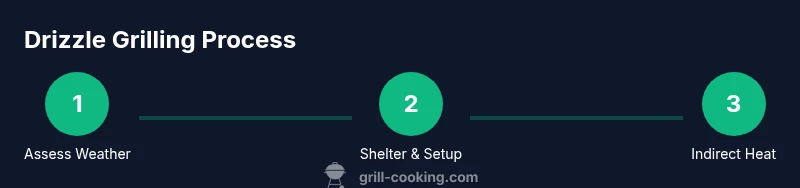
A practical drizzle grilling approach blends shelter, heat management, and throttled cooking pace. Start with assessing weather and securing a sheltered area, then preheat with indirect heat while keeping the lid closed. Move to a two-zone plan for most proteins and use a thermometer for real-time temps. If drizzle intensifies, extinguish direct flame and opt for finishing with indirect heat until the rain breaks. Finally, rest the meat and clean the grill to prevent residue buildup on damp surfaces.
Cleaning and maintenance after drizzle grilling
After cooking in drizzle, allow the grill to cool safely before cleaning. Wipe down the exterior and interior surfaces to remove moisture and prevent rust. Check burners, vents, and ignition components for moisture damage and dry them thoroughly. Empty any drip trays and store utensils in a dry location to prevent mold. A fast post-cook inspection helps extend the life of your grill and keeps it ready for the next drizzle-friendly session.
Common mistakes and how to avoid them
Common drizzle-grilling mistakes include starting when visibility is poor, ignoring shelter options, overloading the grill with cold food, and opening the lid too often. Another mistake is neglecting thermometer checks, which can lead to undercooked meat or wasted fuel due to extended cook times. To avoid these, plan shelter, use a two-zone setup, keep the lid closed as much as possible, and verify temperatures with a probe. By focusing on consistent heat management, safety, and efficient lid use, you’ll improve results even when the weather isn’t ideal.
Tools & Materials
- Weatherproof shelter or covered grilling area(A canopy, covered patio, or gazebo that shields the grill and cooking zone from direct drizzle)
- Grill thermometer or wireless probe thermometer(For accurate internal temps without opening the lid)
- Heat-resistant gloves(Protect hands when handling hot grates and tools)
- Long-handled tongs(Keeps hands away from steam and rain spray)
- Non-slip grill mat or footwear(Prevents slips on wet surfaces)
- Fire extinguisher or baking soda(Safety backup for flare-ups)
- Dry towels or microfiber cloths(Keep handles dry and wipe condensation)
- Oil spray or brush, for grate lubrication(Prevents sticking in moist air)
- Windbreak panels (optional)(Stabilize heat in breezy drizzle)
- Metal scraper/brush(Clean grates while still warm to remove moisture residue)
Steps
Estimated time: Total time: 40-75 minutes
- 1
Assess weather and decide
Check drizzle intensity and wind, ensure no lightning risk, and decide whether to grill or postpone. If the forecast worsens or lightning is present, pause immediately. A quick risk assessment saves time and reduces danger.
Tip: If lightning appears, retreat indoors and avoid standing under eaves or metal structures. - 2
Position sheltered area and prep
Move the grill to a sheltered location with a dry, stable surface. Clear a 3-foot safety perimeter around the grill, and place dry towels within reach. This setup minimizes slip risk and keeps controls accessible.
Tip: Keep sauce bottles closed to prevent splatter or rain-laden droplets from entering bottles. - 3
Preheat with lid closed
Preheat the grill to the desired temperature using indirect heat initially. Keeping the lid closed helps maintain heat and reduces cook-time variability caused by drizzle. Once stabilized, you can introduce searing on the hot zone.
Tip: Use indirect heat until you confirm stable temps; this reduces flare risk from moisture droplets on the surface. - 4
Clean and oil grates
Clean the grates to remove ash and moisture buildup, then oil the surface to prevent sticking. Moist air can cause food to cling more easily, so an even oil layer helps achieve better browning when you resume direct heat.
Tip: Oil the grates from a spray bottle or long brush to keep your hands dry. - 5
Cook with indirect heat first
Place the food on the cooler side of the grill and close the lid. This phase cooks through without excessive surface moisture diluting flavor. Use a thermometer to track progress and avoid overcooking.
Tip: Allow more time than usual; drizzle can slow the heat transfer, so monitor temps closely. - 6
Monitor moisture and airflow
Keep vents adjusted to regulate airflow and prevent steam buildup inside the grill. Too much moisture inside can dampen browning, while too little airflow can cause gusting damp air to blow toward the lid.
Tip: Keep a dry towel ready to wipe condensation from handles and control panels. - 7
Finish with direct heat if safe
If drizzle lightens or stops, briefly sear over direct heat to develop crust. Move to direct heat for 1–2 minutes per side, watching for flare-ups and adjusting distance as needed.
Tip: Have a water spray bottle handy to control any flare-ups quickly. - 8
Check internal temps and rest
Use a thermometer to confirm the proper internal temperature. Then let the meat rest for a few minutes to redistribute juices. Resting improves flavor and juiciness, even when weather challenges your timing.
Tip: Avoid cutting immediately; rest ensures stable carryover cooking. - 9
Safety checks during cooking
Periodically inspect the grill area for slick patches and keep kids and pets away. If surfaces get too wet, pause and wipe down before continuing. Stay alert to the environment and adjust as needed.
Tip: Place dry mats or towels near the doors or steps to prevent slipping when approaching the grill. - 10
Cleanup and shutdown
Turn off the grill and ensure it cools safely. Clean grates while warm, dry surfaces, and store tools in a dry space. This prevents rust and ensures readiness for the next drizzle session.
Tip: Disarm the grill and store covers in dry spots to avoid moisture buildup.
FAQ
Is it safe to grill in drizzle?
Yes, in light drizzle with proper shelter and heat management. Avoid grilling in heavy rain or thunderstorms.
Yes, you can grill in light drizzle if you use shelter and monitor temps, but stop for heavy rain or lightning.
What heat setup works best in drizzle?
Use a two-zone setup with indirect heat for most of the cooking, then sear on the hot zone if conditions allow.
A two-zone setup is ideal; start indirect and finish with a quick sear when safe.
Can I grill with charcoal in drizzle?
Yes, but manage vents to stabilize temperature and avoid flare-ups caused by moisture on the charcoal bed.
Charcoal can be used, but carefully regulate airflow and maintain consistent heat.
What foods are best for drizzle grilling?
Hearty proteins like steak, chicken, and pork, plus sturdy vegetables. Delicate fish can work with careful timing.
Steaks, chicken, pork, and vegetables hold up well; fish can work with fast cooking.
Do I need a windbreak?
A windbreak helps stabilize heat and keeps moisture from blowing directly onto the grill.
Windbreaks help maintain even heat when drizzle and wind combine.
What if lightning starts?
Stop grilling immediately, move to a safe indoor area, and wait at least 30 minutes after the last thunderclap.
If lightning appears, seek shelter right away and wait before resuming.
Watch Video
Quick Summary
- Grilling in drizzle is possible with shelter and heat management.
- Indirect heat is your friend to reduce flare-ups and moisture interference.
- Thermometer checks are essential for safe, accurate doneness.
- Shelter, dry surfaces, and safety gear dramatically reduce risk.
- Respect weather changes and have a clear stop-and-go plan.