How to Grill in an Apartment: Safe, Smokeless Techniques for Home Cooks
Learn safe, smokeless ways to grill in tight spaces. This guide covers equipment, ventilation, food prep, step-by-step methods, and safety tips so home cooks can enjoy grilled flavor without disturbing neighbors or violating building rules.


Grill in an apartment by using smokeless methods like electric grills or a grill pan, and by following strict safety routines. According to Grill Cooking, apartment-friendly grilling relies on equipment that minimizes smoke and fumes. The Grill Cooking team found that proper ventilation, careful temperature control, and thorough cleanup turn compact spaces into reliable cooking spaces, delivering flavor without disturbing neighbors or violating rules.
Why apartment grilling demands a different approach
Apartment living changes everything about how we grill: space is small, vents may be limited, and neighbors are close. To keep flavor high and smoke low, you must pick the right tools and cooking methods. According to Grill Cooking, apartment-friendly grilling relies on smokeless equipment and a disciplined routine. The Grill Cooking team found that even a compact balcony or a kitchen corner can host safe, delicious eats when you plan ahead and respect building rules. This section explains the constraints of apartment spaces and outlines a practical mindset for achieving great grilled results without compromising safety or comfort.
A core principle is to select equipment designed for indoor use or for smokeless operation. Electric grills and cast-iron grill pans on a stove top provide reliable heat with minimal smoke, while maintaining the sear you desire. By prioritizing equipment that reduces emissions, you can grill more often and with less risk. It’s also essential to consider airflow and where the grill sits relative to doors, windows, and cabinets. Thoughtful placement minimizes smoke buildup and helps ensure everyone in the home enjoys the process as much as the finished meal.
Finally, set expectations about flavor and texture. Apartment-grade grilling may not replicate a backyard charcoal experience, but with technique and timing, you can achieve restaurant-worthy browning, juicy interiors, and crisp exterior textures. The goal is consistent results that are safe, repeatable, and within the rules of your living space.
Safe options for apartment grilling
When you’re grilling in an apartment, your safety and comfort come first. The safest options center on smokeless heat sources and controlled environments. Electric countertop grills, indoor grill pans, and small infrared grills are designed to limit smoke while delivering a respectable sear. If you have a balcony with good airflow and landlord approval, a compact, sealed unit that minimizes fumes can be a viable choice. Another option is to use your stovetop with a cast-iron grill pan; when heated properly and seasoned correctly, it can mimic grill marks and a smoky aroma without releasing large amounts of smoke. Always confirm that your building’s rules allow such methods and never use open flames indoors.
For meatier programs, plan to partially cook on the stove and finish with a quick sear outdoors or in a well-ventilated area. If you must use a grill outside, keep doors closed and maintain a safe distance from flammable materials. Regardless of method, practice good hygiene: sanitize surfaces, wash hands, and keep raw foods away from ready-to-eat items. This approach reduces cross-contamination risks and helps you maintain a high standard of kitchen safety.
Ventilation and smoke management
Effective smoke management starts with airflow and timing. If you’re using an electric grill or grill pan, position the unit near a window or under a range hood if available. If your space lacks a dedicated exhaust, create a cross-breeze by opening two opposite openings to push air out and pull fresh air in. A small fan can help direct smoke away from your face and toward the outside. Avoid extended cooking sessions in enclosed rooms, especially when dealing with fatty foods that produce more vapor. Management is not just about smoke; it’s about ensuring odor stays contained and neighbors stay comfortable. Use lower-fat cuts when possible and pat dry foods to minimize splatter that can trigger smoke alarms.
Timing matters, too. Preheat quickly, keep the lid closed when appropriate, and monitor temperatures closely to avoid excessive smoke. If an alarm sounds, pause cooking, open a window, and let the space ventilate before resuming. Establishing a steady routine is key to staying comfortable and safe in an apartment kitchen.
Gear and setup: choosing the right equipment
Your apartment grilling toolkit should balance safety, ease of use, and heat control. Essential gear includes an electric indoor grill or a sturdy cast-iron grill pan for the stove. A digital meat thermometer ensures you hit safe internal temperatures without overcooking. Heat-resistant gloves protect hands during flipping and handling hot cookware, while a quality grill brush helps you clean grates between uses. Keep a fire extinguisher within reach and a small, damp cloth handy for quick cleanups. A non-slip mat under the grill reduces movement on slick surfaces and protects floors. Finally, invest in a light, durable thermometer stand or a remote sensor if your space is tight. When you set up, establishing a dedicated station away from flammable items reduces risk and improves workflow.
Preparing foods for apartment grilling
Start with high-quality, uniform cuts to ensure even cooking in smaller appliances. Pat proteins dry to promote browning and reduce splatter, then lightly oil and season. For vegetables, slice evenly and apply a thin layer of oil to preserve moisture without creating too much smoke. If you’re marinating, do so in the fridge before cooking to avoid cross-contamination and extra surface moisture that can cause flare-ups. Bring meat to room temperature for even cooking, but don’t leave perishable items out longer than two hours. Use patted-dry surfaces as your baseline; this approach helps you achieve better searing while controlling moisture that could steam the food instead of browning. Pre-measure spices, rubs, and marinades so you can access them quickly during the cook.
Tip: Use a two-zone cooking plan—high heat for searing, lower heat to finish—so you won’t burn outer surfaces before interiors reach safe temperatures.
Step-by-Step apartment grilling method
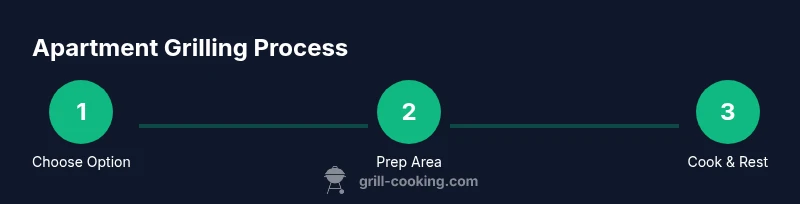
A practical, task-oriented approach helps you stay on track when cooking in compact spaces. Start by selecting the right, apartment-friendly equipment and ensuring the area is prepared for safe operation. Preheat your grill to your target temperature within 5–7 minutes. Pat dry and oil the protein, then place it on the hottest zone for a quick sear (about 1–2 minutes per side for many cuts). Move the food to a cooler zone to finish cooking gently, monitoring internal temperature with a thermometer. Remove from heat once you surpass safe levels by about 5–10 degrees for rest carryover, then rest the meat for 3–5 minutes before slicing. Clean the grates promptly to prevent residue buildup and odors from lingering. Maintain a tidy cooking station during and after cooking; this reduces the chance of accidents and makes future sessions smoother.
Tip: Keep a timer handy and check temperatures frequently. Don’t rush the resting stage—it helps retain juiciness and flavor.
Food safety and cleaning up after apartment grilling
Food safety is paramount in small spaces where odors and residues linger. After cooking, promptly cover and store leftovers at safe temperatures. Allow the grill and accessories to cool in a well-ventilated area before cleaning. Wipe down surfaces with a sanitizer solution and rinse thoroughly to prevent cross-contamination from raw proteins. For cookware such as cast-iron pans, clean while warm to remove oil and residue, then dry and re-season to prevent rust. If you notice persistent odors, wipe down nearby surfaces with a baking soda solution to neutralize smells. Finally, store tools in a dry place and check smoke detectors to ensure they’re functioning properly. Regular maintenance reduces the chance of odors or smoke triggering alarms in the future.
Flavor ideas and marination for apartment grilling
Flavor depth comes from careful seasoning and timing rather than smoke alone. Use herb blends and citrus-based marinades to brighten flavors without heavy fats. For lean proteins, a quick brush of olive oil and a peppery rub can produce a nice crust without excessive flare. Marinades with acid (like lemon juice) can help tenderize while keeping the meat juicy. Vegetables like zucchini, peppers, and portobello mushrooms respond well to shorter cooking times and high heat. Finishing sauces can be added after cooking to preserve the crust; offer a light glaze to avoid dripping and smoke. The key is experimentation within a safe, smokeless framework—test small batches first and note what sears best on your chosen equipment.
Safety, neighbors, and ongoing practice
Maintaining neighbor-friendly grilling requires clear communication and consistent practices. Let household members know your cooking schedule to avoid conflicts and maintain good relationships. If you’re using shared spaces, always follow building guidelines and consider installing a carbon monoxide detector if your unit lacks one. Practice makes perfect: start with quick, small meals to build confidence before attempting larger portions. Regularly inspect equipment for wear and tear, and replace worn parts to prevent accidents. Remember, a good apartment grill session prioritizes safety, minimal smoke, and delicious results over loud challenges.
Tools & Materials
- Electric indoor grill or grill pan(Choose a model designed for indoor use; ensure a flat, stable surface.)
- Digital meat thermometer(Target safe internal temps without guesswork.)
- Heat-resistant gloves(At least 350°F capability for handling hot surfaces.)
- Fire extinguisher (class ABC)(Keep within easy reach and know how to use it.)
- Ventilation setup (range hood or cross-ventilation)(Create a safe air path to whisk away smoke.)
- Non-slip mat(Stabilizes equipment on slick countertops.)
- Grill brush and scraper(Clean grates after each use.)
- Tongs and spatula with heat resistance(Easy handling of foods without flare-ups.)
- Silicone or heat-resistant oil(Lightly coat grates to prevent sticking.)
Steps
Estimated time: 60-75 minutes
- 1
Select apartment-friendly equipment
Choose an electric grill or a grill pan for the stove. Ensure it has a flat bottom, stable feet, and a safe power source. Check that it fits your counter space and provides consistent heat. This is the foundation for smokeless operation and reliable results.
Tip: Test the device for 5–7 minutes before cooking to confirm even heat without excessive smoke. - 2
Prepare the cooking area
Clear flammable items, set up near a window or hood, and place a heat-safe mat underneath. Keep a small fan pointed toward the open window to direct any smoke outward. Confirm that nearby walls and cabinets are at a safe distance from heat.
Tip: Have a damp cloth handy for quick cleanups if splatter occurs. - 3
Preheat and oil the grates
Preheat your equipment to cooking temperature during the 5–7 minute warm-up. Lightly oil the grates or pan to prevent sticking, and pat meats dry to promote browning without steaming.
Tip: Oil helps achieve a crisp crust without needing extra fat. - 4
Prepare and season the protein
Pat dry, apply a light oil, and season evenly. Bring to room temperature for 15–20 minutes if possible. This helps the interior cook consistently and reduces cooking time.
Tip: Season with a simple rub to keep flavors clean and showcase your grill pan’s browning. - 5
Cook with indirect heat and monitor
Sear briefly on the hottest section, then move to indirect heat if your grill supports zones or simply lower the heat to finish. Use a meat thermometer to monitor internal temperature.”
Tip: Avoid overcooking by aiming for safe temperatures just above the target when resting. - 6
Rest, serve, and clean up
Allow meat to rest 3–5 minutes after cooking to redistribute juices. Then wipe down the surface, wash utensils, and store all equipment properly. This keeps flavors intact and minimizes odors.
Tip: A quick wipe-down between uses reduces grilled-on residue and odors.
FAQ
Is it legal to grill indoors in an apartment?
Rules vary by building and city. Always check your lease and local codes before grilling indoors. If allowed, use smokeless devices and follow safety guidelines.
Indoor grilling legality depends on your building and city rules. Check leases and local codes first, then use smokeless devices and safety best practices.
What equipment is best for apartment grilling?
Electric indoor grills or cast-iron grill pans are typically the safest options for apartments. Avoid charcoal indoors and rely on proper ventilation.
Electric grills or grill pans are usually the safest bet for apartments; avoid charcoal indoors and ventilate well.
How do I vent smoke without disturbing neighbors?
Open nearby windows or use a range hood if available. A small fan can help direct smoke toward exterior openings and away from living spaces.
Ventilation is key. Open windows or use a hood, and use a fan to create a cross-breeze toward the outdoors.
Can I grill meat safely indoors?
Yes, with smokeless equipment, careful temperature control, and correct food handling. Use a thermometer and avoid high-fat fats that create more smoke.
Yes, you can grill meat safely indoors if you manage heat, use a thermometer, and keep things clean.
What should I do after grilling in an apartment?
Cool equipment safely, clean surfaces and utensils promptly, and store tools in a dry area. Air out the space to remove odors.
After grilling, cool things down, clean up, and air out the space to keep odors down and equipment ready for next time.
Watch Video
Quick Summary
- Grill in apartments using smokeless options and proper ventilation
- Plan your cooking area to minimize smoke and odors
- Use a thermometer and two-zone cooking for best results
- Prioritize safety—extinguish flames quickly and keep detectors in mind
- Know your building rules before you start