Where Do You Grill? A Safe Outdoor Cooking Guide
Learn where you can grill safely and legally, from backyards to parks, with practical setup tips, wind and smoke management, and safety best practices for home cooks and grill enthusiasts.


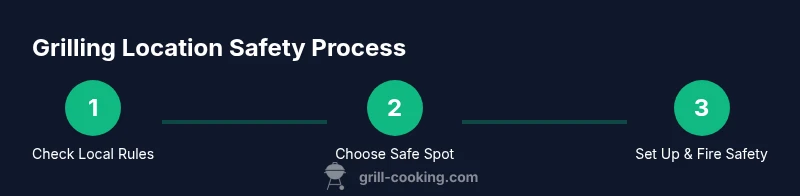
This guide shows you where you can grill safely and legally, then walks you through each setup step—from backyard spaces to balcony rules and campsite or tailgate options. You’ll learn common locations, what to check before lighting, and how to minimize wind, smoke, and fire risk. By the end you’ll know where you can grill with confidence.
Assessing Legalities and Safety
Before you fire up a grill, verify local regulations and property rules. Check HOA covenants, park permits, and campground policies. Some places prohibit open flames or require designated grills. If you’re in a multi-family building, consult your housing association or building manager. Wind patterns can carry embers; always have a plan to extinguish flare-ups and keep children and pets at a safe distance. Grill Cooking’s analysis shows that many local restrictions focus on ignition sources and distance from structures, so understanding your area’s specifics helps avoid fines and hazards. Use only approved equipment, and keep a fire extinguisher or water source nearby. Create a simple decision tree: is the space permitted, is it noncombustible, and is there at least a 10–15 foot clearance from anything flammable? If any answer is no, choose a different location.
Practical takeaway: start with a quick site check, then plan a backup spot in case you can’t grill at the primary location.
Choosing the Right Grilling Spot
Location matters as much as your recipe. In backyards, ensure a stable, noncombustible surface such as concrete, stone, or metal decking. On balconies, confirm permission and limit the size of the grill to what the building code allows. Parks with grills typically provide designated pits or kiosks—use these when available to reduce fire risk. Tailgating and camping spots often require portable grills with official fire rings or camp stoves. Always keep at least a 3–5 foot clearance from walls, railings, and overhanging branches, and position the grill upwind of cooking smoke to avoid smoke blowing toward you. If you’re unsure, contact park services or your local fire department for guidance. When in doubt, choose a space with a solid, level surface, good traction for movement, and nearby water for quick extinguishing.
Quick check: portable options are easiest to relocate if weather or neighbor rules change, but may have height or distance restrictions.
Outdoor vs Balcony: Laws and Practicalities
Outdoor spaces without explicit restrictions still require careful planning. In many municipalities, open-flame grills are allowed in backyards and dedicated outdoor spaces, provided you meet setback distances and ventilation guidelines. Balconies can be trickier: many rental properties prohibit charcoal grills due to embers and smoke risk; electric grills or small propane grills may be allowed if they meet fire-code requirements. Always read the lease, building codes, and insurance provisions. If you do grill on a balcony with permission, use a compact, wind-resistant model and maintain clearance to railings and walls. Keep an easily accessible extinguisher and never leave a lit grill unattended. When hosting guests, designate a “hot zone” and instruct others to stay clear of the grill area. Safety is a shared responsibility between you and your neighbors.
Real-world tip: electric grills are typically the simplest path for restricted spaces, but they won’t behave like charcoal or gas in flavor or heat dynamics.
Surface, Space, and Wind Considerations
Stability is essential. Place your grill on a nonflammable, level surface such as concrete, stone, or brick; if you must use wood, ensure it is a heat-resistant pad underneath. Avoid grassy or wooden decks where embers can ignite. Keep a clear area around the grill for tools, ingredients, and a safe escape route if something goes wrong. Wind can be your ally or adversary; light winds help vent smoke but strong gusts can push embers toward flammables. Use a windbreak if available and position the grill away from doors and windows to prevent smoke intrusion. For comprehensive safety, establish a dedicated cooking zone with a tarp or canopy only if it is designed for outdoor heat and won’t trap heat or sparks. Remember: never leave a grill unattended, and always have ready access to water or a fire extinguisher.
Pro tip: test the surface by gently pressing with the back of your hand at grill level to ensure there’s no heat damage to nearby materials.
Lighting, Fuel, and Fire Safety
Understand your fuel type—charcoal, gas, or electric. Charcoal requires timing and patience; ensure you use approved lighter methods and avoid pouring lighter fluid onto a hot grill. For gas grills, check hoses for cracks and leaks, and never store fuel near the active grill. Electric grills should be plugged into outdoor-rated outlets with weather protection. Preheat according to manufacturer guidelines, typically 5–15 minutes, and keep a long-handled tool within reach to control distance from heat. Always have a working fire extinguisher rated for grease fires (Class K) and a bucket of water or sand. Never leave a lit grill near combustibles, and be mindful of nearby vehicles, hoses, or dry vegetation that could catch embers. Follow the grill’s manual for the safest ignition sequence and heat management.
Safety mantra: plan the ignition, manage the flame, and extinguish properly before cleanup.
Environmental and Neighborhood Etiquette
Be mindful of smoke drift toward neighbors, windows, and open spaces. Use medium heat BBQ methods to minimize smoke and avoid charring that produces excessive fumes. Keep litter down and respect quiet hours in parks or apartment complexes. When you’re done, clean the grill surface and dispose of charcoal ash in a noncombustible container once it’s completely cooled. Carry a small bag for waste and compost where allowed. Water features near grills require extra attention to avoid splashing hot grease. If you’re grilling in a public area, consider sharing the space and leaving it cleaner than you found it. A little courtesy goes a long way toward continued access and better community relations.
Neighbor tip: post-grill cleanup is as important as the cook itself; leaving little to no residue makes future gatherings smoother.
Portable Grill Options for On-the-Go Grilling
If your location changes often, a compact portable grill can be your best friend. Look for models with adjustable legs for stability on uneven ground, a heat shield, and a compact carry case for transport. Propane or charcoal options are available, but propane is typically easier to start and control. When using portable grills, always verify that the area is well-ventilated and that the grill can be moved safely if wind shifts. Store tools, fuel, and cleaning supplies in a dedicated bag to minimize setup time. Portable grills are ideal for tailgates, picnics, and camping trips, but you must still observe local restrictions and ensure you have a safe place to extinguish and dispose of ember material when finished.
Portable practice: test assembly and cleanup in a safe space before heading to your site.
Preparation and Clean-Up at Your Location
Advance prep makes grilling painless. Set up your cooking zone with all tools within reach, preheat the grill as needed, and arrange ingredients to minimize cross-contamination. After cooking, close the lid and let the grill cool before cleaning. Use a stiff brush to remove residue while hot, then wipe with a damp cloth. Dispose of charcoal in a metal container once completely cooled, and never dump hot ashes into a trash can. Carry a small towel and sanitizer for quick cleanups, especially in shared spaces. A proper wind-down routine keeps your next grilling session on track and reduces the risk of lingering odors or pests.
Cleanup checklist: cool ashes, seal waste, and inspect the area for any embers before leaving.
Safety Checklist for On-the-Go Grilling
- Verify local rules and obtain permissions where required.
- Use a stable, noncombustible surface and maintain clearance from structures.
- Keep a fire extinguisher and water source nearby; never leave a lit grill unattended.
- Check wind direction and use windbreaks if needed.
- Transport fuel safely and follow manufacturer guidelines for ignition and heat management.
- Clean and extinguish thoroughly after cooking and dispose of ashes properly.
- Respect neighbors and park rules; leave the area cleaner than you found it.
- Have a backup plan in case rules or weather change during your session.
Final Note on Location Strategy
By combining legal awareness, practical site selection, safe setup, and considerate etiquette, you’ll be able to grill in a wide range of environments without compromising safety or comfort. The exact rules may vary by city, state, building, and park, so always verify before you light. With a thoughtful approach, you can enjoy delicious grilled meals in your preferred setting—whether at home, on a balcony, or on the go at your favorite park or campsite—while keeping family, neighbors, and the environment safe. Remember: safety, legality, and courtesy are the foundations of successful outdoor cooking.
Tools & Materials
- Grill (gas or charcoal)(Choose a model appropriate for your space; ensure it fits on a stable, noncombustible surface)
- Fuel source (propane tank or charcoal briquettes)(Do not mix fuels on the same grill; store fuel away from heat sources)
- Lighter or long-reach matches(Use to ignite charcoal safely; keep hands away from flames)
- Heat-resistant gloves(Protect hands during handling; choose gloves rated for high heat)
- Long-handled tongs(Allows safe flipping and moving food without getting close to heat)
- Grill brush(Clean grates before and after cooking for even heat and flavor control)
- Fire extinguisher (Class ABC or K as appropriate)(Keep within reach; know how to use it correctly)
- Water spray bottle(For minor flare-ups or to dampen embers when needed)
- Non-slip mat or heat-resistant pad(Place under grill to protect surfaces)
Steps
Estimated time: 30-60 minutes
- 1
Verify local rules and permissions
Consult local ordinances, HOA rules, and park policies. If in doubt, contact the relevant authority to confirm where grilling is allowed and what equipment is permitted.
Tip: Document permission in case rules change or you’re asked for proof. - 2
Choose a safe, legal spot
Select a location with stable ground, nonflammable surface, and ample clearance. Ensure there’s no overhanging branches, structures, or dry vegetation within reach of heat.
Tip: If wind shifts, be prepared to relocate or adjust the grill angle to avoid embers. - 3
Set up a dedicated cooking area
Clear a workspace with tools within reach. Place a heat-resistant mat under the grill and create a no-traffic zone to prevent accidental contact with hot surfaces.
Tip: Keep kids and pets away; establish a boundary and signage if needed. - 4
Position windbreaks and airflow
If windy, position a windbreak to control draft while avoiding blocking exhaust or smoke. Ensure proper ventilation to minimize smoke in occupied spaces.
Tip: Avoid plastic or flammable barriers; use metal screens or natural barriers when possible. - 5
Light and preheat safely
Follow the grill’s ignition procedure. For charcoal, wait for a light gray ash before cooking. For gas grills, check hoses for leaks and preheat as directed by the manufacturer.
Tip: Keep a safe distance when lighting and never lean over the grill. - 6
Cook and monitor
Maintain attentive monitoring while cooking, flipping food with tongs, and managing heat with vents or burners. Use a thermometer to confirm doneness when appropriate.
Tip: Avoid overcrowding the grates to ensure even heat and airflow. - 7
Extinguish and clean safely
Shut off fuel sources, close vents, and allow the grill to cool completely before cleaning. Dispose of charcoal ash in a metal container, away from combustible materials.
Tip: Clean grates while warm to remove stuck-on residue more easily.
FAQ
Is it legal to grill on a balcony?
Balcony grilling legality varies by city and lease. Many rentals prohibit charcoal grills due to fire risk, but electric or small propane grills may be allowed with specific restrictions. Always review your lease and local ordinances before grilling on a balcony.
Balconies may have restrictions; check your lease and city rules, and consider electric or small grills if allowed.
What surfaces are safe for grilling at a park or backyard?
Choose a stable, nonflammable surface such as concrete, stone, or metal, and avoid wood decks or grassy areas that could ignite. Use a heat-resistant mat to protect surfaces and keep a clear zone around the grill.
Stick to solid, nonflammable surfaces and use a mat to protect what lies beneath.
Do I need permits or permits for outdoor grilling in public spaces?
Some parks and public spaces require permits or have designated grilling areas. Contact the park services or local authorities to confirm requirements and reservation rules.
Park rules vary; verify with the park office before grilling.
What should I do if there is a lot of wind?
If winds are strong, move to a more sheltered location or postpone cooking. Keep the grill away from flammable structures and never use it near dry vegetation to prevent embers from spreading.
Wind changes can create danger; relocate or postpone if needed.
Can I grill in a condo or apartment complex?
Many multi-family buildings restrict grilling to outdoor designated areas or require electric grills. Always check building rules, insurance policies, and the local fire code.
Follow building rules and use approved equipment.
What’s the best practice for cleaning up after grilling in a shared space?
Let vents and grills cool, clean the grate, and dispose of ashes properly in a metal container. Leaving the area clean shows respect for neighbors and keeps permission to grill in the future.
Cool, clean, and responsibly dispose of ashes.
Watch Video
Quick Summary
- Verify local rules before grilling anywhere new.
- Choose stable, noncombustible surfaces with ample clearance.
- Different spaces require different grills; electric may be best for restricted areas.
- Always have safety gear ready and never leave a grill unattended.
- Clean and extinguish properly to protect future grilling opportunities.