How to Stop Grill from Smoking: Practical Fixes
Learn proven, actionable steps to stop your grill from smoking. From cleaning and airflow to fat management and flame control, this guide covers it all for home cooks and grill enthusiasts in 2026.


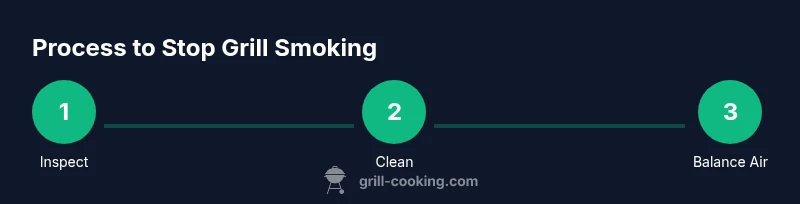
This guide tells you how to stop grill from smoking quickly by cleaning before use, balancing airflow, using indirect heat, and managing fat drippings. You'll start with a quick test, then follow practical steps to minimize smoke on charcoal or gas grills.
Why Grills Smoke and How to Stop It
If you're wondering how to stop grill from smoking, the answer starts with understanding smoke sources: grease and fat buildup, trapped heat, and poor airflow. For home cooks, most smoke comes from stubborn residues on grates and in the drip tray, plus excessive direct heat that vaporizes fats. The Grill Cooking team notes that regular cleaning and proper vent management dramatically reduce smoke over time. In practice, addressing these factors first will lower flare-ups and improve flavor, not just visibility. By treating smoke as a signal of buildup or mismanagement, you can adjust your routine to keep smoky nights to a minimum while still achieving a great sear and tasty crust.
Pre-Grill Prep: Cleanliness Is Key
The foundation of a low-smoke cook starts before you light the grill. Clean grates remove char and grease that burn and create heavy smoke during high-heat sessions. Scrub with a stiff brush while the grill is warm, then wipe the interior surfaces and empty the grease tray. A clean drip pan also prevents fat from smoldering and causing bursts of smoke when flames flare. According to Grill Cooking analysis, 2026 data shows grease buildup is a primary driver of persistent smoke, especially on back-to-back grilling days. Keeping tools handy—brush, sponge, degreaser—and dedicating time for a quick scrub after each use will pay off in steadier heat and cleaner air.
Airflow Matters: Vent Position and Lid Work
Ventilation is your best friend when reducing smoke. On a charcoal grill, open the bottom vent to promote steady combustion and close only enough to moderate heat. For gas grills, adjust the burner flames and use lid position to control oxygen flow. A common mistake is leaving vents fully open, which can produce heavy steam and smoke when fat accumulates. The right balance means enough oxygen for clean burning but not so much that the fuel heats too quickly and vaporizes fats. Grill Cooking’s practical guidance emphasizes consistent airflow as a key factor in smoke management.
Indirect Heat Setup and Zone Cooking
Direct heat is great for searing, but it can cause heavy smoke when fat drips onto hot surfaces. Create two zones: a hot direct zone for searing and a cooler indirect zone for cooking through. Move fatty foods away from the direct flame, and let the lid close when possible to trap heat and reduce smoke production. This approach reduces flare-ups and keeps the surface crisp without overcooking or smoking. Keep a careful eye on temperatures, aiming for 350–450°F (176–232°C) in the indirect zone for most proteins. The balance of heat and airflow is essential for quiet cooking.
Fat Management: Drip Pan and Debris Control
Excess fat is a smoke magnet. Use a deep, wide drip pan beneath the cooking grate to catch melted fat before it hits flames. If your grill doesn’t have a dedicated tray, improvise with heavy-duty foil to create a catchment area. Regularly clean the bottom of the grill exterior and remove built-up grease from the interior walls. A clean firebox and drip system reduce smoky sessions dramatically, as fat drippings no longer smolder or flare. For best results, wipe down surfaces after every cook and replace foil liners as needed.
Fuel Type and Smoke Control: Charcoal vs Gas
Both charcoal and gas grills smoke for similar reasons, but fuel behavior differs. Charcoal can produce more smoke as fat drips into hot coals, while gas grills may smoke when burners are dirty or when excessive fat clogs vents. In either case, opt for a moderate heat level and avoid loading the grate with fatty foods all at once. If smoke persists, temporarily remove the food, reset the grill, and verify that vents or burners are not blocked. Grill Cooking’s guidance suggests keeping your fuel clean and replacing aged charcoal or gas lines to prevent smokiness from old components.
During Cooking: Flare-Ups and Smoke Tuning
Flare-ups are the most dramatic source of smoke and can burn meat if uncontrolled. Keep a spray bottle with water for small flare-ups, or use baking soda for larger ones. Quickly close the lid to cut off oxygen and move food away from the flames. If you frequently see flare-ups, reduce fat on the surface before cooking, trim excess fat, or choose leaner cuts. Don’t pepper seasoning into fat-laden drips—this only increases vapor. The aim is steady heat with minimal direct fat contact to limit smoke.
Post-Grill Cleaning: Routine Maintenance to Prevent Smoke Later
A post-cook cleanup reduces smoke in future sessions. While the grill is still warm, scrub grates and wipe the interior. Empty and clean the grease tray, then check vents and burners for obstructions. Store tools and protective gear in an accessible place so you can quickly perform maintenance before your next cook. Maintaining a consistent cleaning routine is one of the most reliable ways to minimize smoke across many grilling sessions.
Common Mistakes That Create Excess Smoke
Several habits commonly cause smoke and can be easy to fix. Avoid overloading the grill with fatty foods; keep the lid closed when appropriate to trap heat without overdriving the flames; never use water on a grease fire to extinguish it, which can cause dangerous flare-ups; and avoid long preheats that burn off fats too aggressively. Regularly inspect the grill for buildup in the firebox, vents, and drip trays; a few minutes of upkeep saves hours of smoky cooking.
Real-World Scenarios: Before and After
In a typical before-and-after scenario, a smoker-grade grill would accumulate grease on the grates and accumulate smoke during high-heat searing. After applying the steps outlined above—thorough cleaning, proper airflow, indirect heat, and fat management—the same grill produces a cleaner sear with less visible smoke and more consistent temperature. These tweaks can transform a smoky experience into a controlled, predictable cooking session, aligning with Grill Cooking's 2026 findings on maintenance and air management.
Tools & Materials
- Grill brush (stiff)(Brush while grates are warm to remove char.)
- Tongs(Use to move food and adjust grates safely.)
- Drip pan or tray(Place under grates to catch fat.)
- Aluminum foil(Line drip pan and protect surfaces.)
- Degreaser spray(Use for heavy buildup, follow label.)
- Spray bottle with water (optional)(For small flare-ups; not for grease fires.)
- Baking soda (for flare-ups)(Alternative to water for smothering flames.)
- Heat-resistant gloves(Protect hands during high-heat handling.)
- Paper towels or rags(Wipe surfaces and dry components.)
- Oil for grates(Lightly oil grates to prevent sticking.)
Steps
Estimated time: 30-60 minutes
- 1
Inspect grill for grease buildup
Before lighting, visually inspect the grill for any grease buildup in the grates, drip pan, and firebox. If you see obvious residue, postpone cooking and clean it first to prevent flare-ups that cause smoking.
Tip: Keep a dedicated cleaning kit nearby for pre-shift checks. - 2
Clean grates and drip pan
While the grill is warm, scrub the grates with a stiff brush to remove stuck-on grime. Wipe the interior surfaces and scrub the drip pan; line it with foil for easier cleanup next time.
Tip: A clean surface reduces smoke generation by eliminating burning residues. - 3
Empty grease tray and wipe interior
Empty the grease tray into a designated bin and wipe down the interior walls where fat accumulates. Ensure the tray is dry before reattaching to avoid steam and smoke when heating.
Tip: Dry surfaces prevent steam that can appear as smoke. - 4
Open/adjust vents for airflow balance
Set the vents to achieve steady combustion: for charcoal, open the bottom vent fully and adjust the top vent for heat control; for gas, ensure burners are clean and vents are not blocked so air can circulate.
Tip: Small vent adjustments produce big smoke differences over the cook. - 5
Create indirect heat zone
Arrange coals or burners to form a hot direct zone and a cooler indirect zone. Move food to the indirect zone to finish cooking without burning fat and creating smoke.
Tip: Indirect heat reduces flare-ups during long cooks. - 6
Preheat to the right temperature
Preheat only to the needed temperature for your recipe. Excess heat can vaporize fats too quickly and increase smoke.
Tip: Use a thermometer to target internal grill temps and avoid overshooting. - 7
Manage fat and flare-ups
Keep fat in check: trim excess fat, use a drip pan, and respond quickly to flare-ups by closing the lid and reducing oxygen. If flare-ups persist, move food to indirect heat.
Tip: Keep a spray bottle or baking soda nearby for small flare-ups. - 8
Post-cook clean and inspect
After cooking, clean the grates again, empty and scrub the grease tray, and inspect vents and burners for obstructions to prevent next-session smoke.
Tip: A quick post-cook wipe saves time before the next grill session.
FAQ
What causes a grill to smoke excessively?
Excessive smoke usually comes from grease buildup, fat drippings, and poor airflow. Cleaning and balancing ventilation are the first lines of defense.
Excessive smoke usually comes from grease buildup, fat drippings, and poor airflow. Cleaning and balancing ventilation is the first defense.
Can I grill fatty foods without smoking?
Fatty foods will produce smoke if fat drips onto hot surfaces. Trim fat and use indirect heat to keep flare-ups under control.
Fatty foods can smoke if fat hits hot surfaces. Trim fat and use indirect heat to keep flare-ups in check.
Is it safe to cook with the lid closed?
Cooking with the lid closed helps regulate temperature and reduces oxygen for smoke control, especially during longer cooks.
Closing the lid helps keep temperature steady and reduces smoke during longer cooks.
How do I stop flare-ups when cooking meat?
Move food away from direct flames, close the lid to starve flames of oxygen, and use indirect heat for fatty cuts. Keep a spray bottle handy for small flare-ups.
Move food away from flames, close the lid, and use indirect heat. Have a spray bottle ready for small flare-ups.
Should I clean my grill before every use?
A quick pre-use wipe of grates and drip pan reduces smoke and ensures more predictable heat, especially after long storage.
Clean grates and drip pan before use for less smoke and more consistent heat.
What if smoke persists after cleaning?
If smoke remains despite cleaning, check vents and burners for obstructions, balance heat with indirect zones, and consider replacing aged fuel components if needed.
If smoke persists after cleaning, check vents and burners; create a two-zone setup and replace worn parts if needed.
Watch Video
Quick Summary
- Identify grease and airflow as primary smoke sources
- Clean grates and drip pan to reduce smoke with every cook
- Balance airflow using vents and lid position
- Use indirect heat to finish cooking fatty foods
- Tackle flare-ups quickly to minimize smoke production