How to Prevent Grill Fires: A Home Griller's Safety Guide
Discover proven steps to prevent grill fires with practical safety checklists, maintenance tips, and gear guidance. Learn from Grill Cooking how to keep backyard grilling safe and enjoyable.


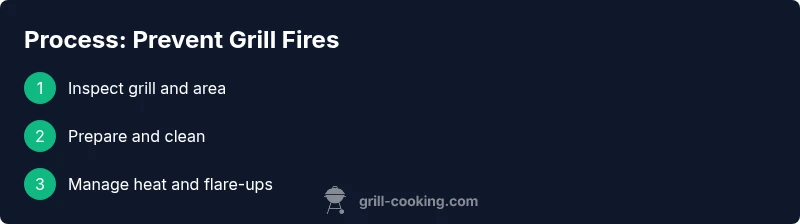
By following a proactive safety routine, you can prevent grill fires before they start. This guide outlines essential precautions, including proper fuel handling, equipment checks, flame management, and safe cooking practices. According to Grill Cooking, consistent maintenance and a clear fire-prevention checklist reduce the risk dramatically for home cooks and grill enthusiasts.
Why grill fires happen
Grease and fat dripping onto hot coals or burners can ignite quickly, creating dangerous flare-ups. A busy cook can inadvertently increase risk by opening the lid during peak heat, forgetting to clean grease traps, or leaving a lit grill unattended. Airflow matters: blocked vents or oversized fuel loads can feed a growing flame. According to Grill Cooking Analysis, 2026, most preventable grill fires start from poor maintenance and inadequate flame control. Understanding how fires start helps you build a practical prevention routine: clean, inspect, and manage heat intentionally. Common causes include grease buildup, overfilled grease traps, and using wind-exposed setups where embers drift. A steady routine of cleaning, inspecting, and planning ahead dramatically reduces these risks and keeps grilling sessions enjoyable.
Grill Cooking emphasizes that prevention is a habit, not a one-off task. Start each session with a quick safety check: look for leaks, confirm fuel levels, and clear the area of clutter. When you understand how small factors chain into a fire, you can address them before they escalate.
Pre-grill safety checklist
Before you light up, commit to a quick safety checklist. Clean grates and trays, inspect hoses and connections, verify fuel levels, and position the grill on a stable, clear surface. Remove any flammable items within a two-foot radius. Have a fire extinguisher or baking soda nearby, plus a spray bottle of water for non-grease flare-ups. Grill Cooking’s practical tips from 2026 stress that a consistent pre-check routine prevents many incidents. A little preparation goes a long way—think of it as a safety ritual you perform every time you grill.
- Clean grease tray and grates
- Check hoses, connections, and fuel level
- Clear surrounding area of combustibles
- Keep a fire extinguisher within arm’s reach
- Have baking soda or a damp cloth handy for quick response
Inspecting your grill and connections
Inspecting the grill and its connections is foundational for safe grilling. Look for cracks in hoses, signs of wear on regulators, and corrosion around fittings. Check the propane tank valve for leaks by applying a soapy solution; if bubbles appear, shut off the gas and re-seat connections. Ensure the ignition system is clean and dry, and that cords or batteries are in good condition. Regular inspection reduces the chance of leaks or misfires that could spark a fire. Grill Cooking’s guidance highlights that a little vigilance saves you from costly hazards and helps you troubleshoot problems before they become emergencies.
Safe fuel handling and propane tips
Propane and charcoal both carry risks when mishandled. Always store propane tanks upright in a ventilated area away from heat sources and direct sunlight. Never transport a hot grill with a tank still connected. When lighting a gas grill, open the lid to prevent gas buildup, then ignite. If your grill doesn’t light promptly, turn off, wait a few minutes for gas to dissipate, then try again. Keep hoses free of kinks and inspect for wear regularly. Grill Cooking’s best practices from 2026 emphasize using the correct regulator and never over-tightening connections, which can cause leaks.
- Store tanks upright and outdoors
- Open the lid before lighting
- Inspect regulators and hoses for wear
- Don’t over-tighten fittings
Managing grease and flare-ups
Grease fires are among the most common backyard grill hazards. Regularly scrape and clean grease from the trays, trays, and catch basins. When flare-ups occur, first close the lid to cut off oxygen and reduce heat. Use a long-handled tool to move food away from flames instead of poking at hot areas. If a flare-up persists, turn off the burners and keep the lid closed until flames subside. Avoid using water on grease fires as it can splatter and spread burning grease. For small, safe fires, baking soda can smother flames. Grill Cooking’s 2026 findings confirm that prompt control of flare-ups and clean grills dramatically lower fire risk.
Safe cooking practices to prevent flare-ups
Cooking with indirect heat is a powerful way to minimize flame contact. Preheat the grill with vents positioned to control airflow, and keep fatty foods away from direct flames. Use a two-zone setup: high-heat zone for searing and a cooler zone for finishing. Keep grill grates clean to prevent grease buildup that can explode into flames. Always monitor food closely; don’t leave grill unattended, especially when cooking high-fat items. Maintain a reasonable distance between the grill and flammable structures. Grill Cooking’s 2026 recommendations stress a disciplined approach to flame management and spatial planning.
Cleaning, maintenance, and storage
A clean grill is a safer grill. After cooking, unplug or turn off the gas, and while the grill is still warm, scrub grates with a brush to remove residue. Empty and rinse grease traps to prevent overflow. Schedule deep-clean sessions monthly and a quick wipe-down after each use. Store propane tanks in a vented area away from the grill when not in use. Keep tools organized and accessible, and replace worn components before they fail. Regular maintenance reduces the odds of a surprise fire and keeps performance high. Grill Cooking recommends documenting maintenance checks as part of a simple safety log.
What to do if a fire starts
If a fire starts, act quickly and calmly. For gasoline or grease fires, do not use water. If you have a fire extinguisher, aim at the base of the flames and sweep side to side until extinguished. If the fire is spreading or you cannot control it, evacuate the area and call emergency services. Use baking soda for small grease fires if you don’t have a fire extinguisher, but only if you can do so safely. After any incident, assess the cause and implement a corrective action plan to prevent recurrence. Grill Cooking stresses preparedness and a clear fire response plan as key elements of backyard safety.
Tools & Materials
- Grill brush and scraper(Sturdy stainless steel; replace if bristles wear thin)
- Water spray bottle(For cooling and light misting (not for grease fires))
- ABC or BC fire extinguisher(Keep within arm’s reach, inspect monthly)
- Baking soda(Smothers small grease fires)
- Long-handled tongs(Keeps hands away from heat)
- Heat-resistant gloves(Protect hands during cleaning and handling hot parts)
- Soapy water and rags(For leak checks and quick cleanups)
- Fire blanket (optional)(Extra protection in high-fat grilling)
- Leak detector spray(Check hose connections for leaks)
- Lid thermometer or grill thermometer(Monitor internal temperature without lifting lid)
Steps
Estimated time: 45-60 minutes
- 1
Inspect and prep grill
Begin with a visual inspection of the grill and surrounding area. Check hoses, connections, and the propane tank valve for signs of wear or leaks. Clean the grate and grease tray to remove old buildup that could fuel a flare-up. Having a clean start reduces hidden fire risks and makes subsequent steps safer.
Tip: If you notice any crack in hoses or unusual smells, stop and replace parts before lighting. - 2
Position and clear the area
Place the grill on a stable, non-flammable surface with at least two feet of clearance from walls, railings, and overhanging branches. Remove flammable items from around the grill and keep a dedicated extinguisher within arm’s reach. This simple step prevents spread and gives you quick access if needed.
Tip: Keep kids and pets away during lighting and cooking. - 3
Check fuel and connections
For gas grills, verify the tank is secured and the valve is closed before connecting. Do a soapy-water test on all connections to ensure there are no leaks. If bubbles appear, tighten connections or replace faulty parts before proceeding.
Tip: Never light a grill with a known leak. - 4
Preheat safely
Open the lid, ignite according to manufacturer guidelines, and then close the lid to preheat if your model requires. Avoid leaning over the grill while lighting. Preheating helps you identify issues early and reduces flare-ups caused by sudden heat surges.
Tip: If it doesn’t light after a full ignition sequence, turn off, wait a minute, and retry. - 5
Create a flame management plan
Establish a two-zone setup when possible: a hot direct zone for searing and a cooler indirect zone for finishing. Keep a spray bottle handy to cool minor flare-ups and use long tongs to move food away from flames. A deliberate heat strategy lowers the chance of dramatic flare-ups.
Tip: Use the lid to trap heat and control flare-ups rather than constantly fiddling with vents. - 6
Monitor and react to flare-ups
Stay attentive, watching for sudden flames arising from fat drainage. If a flare-up occurs, move food away from open flames and close the lid to deprive the fire of oxygen. If flames persist, turn off the grill and call the extinguisher if needed.
Tip: Never use water on a grease fire—smother with baking soda or a fire extinguisher. - 7
Post-cook shutdown
Turn off all burners and close the gas valve after cooking. Close the grill lid and allow surfaces to cool before cleaning. Empty and rinse the grease tray to prevent buildup. Keeping the grill clean reduces residue that can ignite during subsequent sessions.
Tip: Let the grill cool completely before performing deep cleaning. - 8
Safe storage of fuel and tools
Store propane tanks outdoors in a ventilated area away from direct heat. Keep tools, gloves, and extinguishing gear organized and ready for next use. Proper storage helps prevent accidental ignition and ensures quick access to safety equipment.
Tip: Replace any damaged hoses or regulators immediately. - 9
Document and learn
Record what worked and what didn’t after each cookout. Note any equipment issues or flare-ups and address root causes in your maintenance plan. This habit builds long-term safety and reliability.
Tip: Regular review of past cookouts reinforces safe behavior. - 10
Practice with a dry run
Before your next big cook, do a dry run to ensure you can perform the safety steps smoothly. This rehearsal reduces hesitation during a real event and helps you implement the plan without missing steps.
Tip: A rehearsal builds confidence and quick reaction time.
FAQ
What is the most common cause of grill fires?
Most grill fires start from grease buildup, improper flame control, or leaks. Regular cleaning and leak checks significantly reduce this risk, especially when combined with a planned pre-heat routine.
Grease buildup and poor flame control are the top culprits. Regular cleaning and checks help keep you safe.
Can I use water to put out a grease fire on a grill?
No. Water can cause the grease to splatter and spread the fire. Use a fire extinguisher or baking soda to smother the flames, if safe to do so.
Do not use water on a grease fire. Smother it with a fire extinguisher or baking soda if safe.
Do propane grills pose a higher fire risk than charcoal?
Both have risks when not properly maintained. Propane leaks or regulator issues can create fire hazards, while charcoal flames can flare with grease. Regular inspection and safe handling reduce both.
Propane and charcoal each have risks; maintenance and handling matter most.
How often should I clean my grill to prevent fires?
Clean the grates and grease tray after every use and perform a deeper cleaning monthly. This routine minimizes flare-ups and keeps burners operating safely.
Clean after each use, with a deeper clean monthly.
What should I do if a fire starts and I can't control it?
If you cannot control it, evacuate the area and call emergency services. Do not attempt to move a hot grill or use water on a grease fire.
If it’s out of control, leave the area and call for help.
Is a two-zone setup really safer for grilling?
Yes. A two-zone setup helps you sear safely and finish without over-oxygenating a flare-up. It provides more control over temperature and reduces the chance of dangerous flames.
Two-zone heat gives you better flame control and safer cooking.
Watch Video
Quick Summary
- Inspect before lighting to catch leaks and wear.
- Use a two-zone heat setup to control flare-ups.
- Never use water on grease fires; have baking soda or extinguisher ready.
- Clean and maintain regularly to reduce fire risk.
- Develop and follow a simple safety routine every grilling session.