How to Get Rid of an Old Grill: A Practical Guide
Learn step-by-step how to responsibly dispose of an old grill. Safety checks, recycling options, donation tips, and local regulations explained for home cooks and grill enthusiasts.


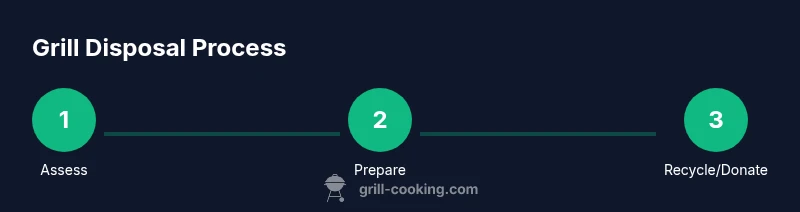
You can safely retire an old grill by assessing its condition, choosing a disposal path (recycling, donation, or curbside trash), and following a step-by-step plan to disassemble, separate metals, and transport parts. This guide covers safety, local regulations, and eco-friendly options so you recycle or donate whenever possible.
Why proper disposal matters
Disposing of an old grill responsibly protects the environment, reduces landfill waste, and helps ensure the metal components are recycled where possible. The Grill Cooking team emphasizes treating your old grill as a recyclable metal asset before opting for curbside trash. In many communities, metal recyclers will reclaim steel and aluminum from grills, while charitable organizations may accept gently used grills for donation. Following best practices lowers safety risks, prevents hazardous materials from entering water sources, and supports local recycling streams. By choosing the right disposal path, you contribute to a circular economy that benefits everyone, from neighbors to future cooks around the grill.
As you plan, remember to verify local guidelines, because rules vary by city and county. Grill disposal isn’t one-size-fits-all; it depends on your grill type (gas, charcoal, or electric) and the presence of fuel cylinders or electrical components. A little advance research pays off in a smoother, more ethical retirement for your grill.
Before you act: evaluate condition and options
Start by assessing the grill’s physical and functional condition. If the grill is structurally sound and clean, donation or resale might be viable options. If it’s rusted, nonfunctional, or dangerous to use, recycling or proper disposal is typically the better route. Check with local metal recyclers to understand what they will accept and whether parts can be salvaged. Donating a grill that still works benefits community programs, while dismantling and recycling the metal parts reduces environmental impact. Keep a few questions in mind: Is the propane/tank or gas line still attached? Are there electrical components that require special handling? In many communities, you’ll find specific drop-off days or facilities handling bulky metal items. As you decide, record the grill’s make, model, and any pertinent notes to help recycling centers evaluate it quickly.
Safety first: disconnect fuel lines, unplug, remove propane tank
Safety is non-negotiable when retiring a grill. If you use propane, start by safely disconnecting the propane tank and ensuring the cylinder is cold and depressurized before moving. If you have a charcoal grill, dispose of ashes safely in metal containers and ensure the grill is completely cooled. For electric grills, unplug from all power sources and remove any batteries. Wear gloves and eye protection during all handling steps. If you’re unsure about handling a propane cylinder, contact your local fire department or propane supplier for safe removal instructions. Properly isolating fuel sources protects you and anyone nearby from accidental leaks or fires.
Disassembly and prep for disposal
Disassemble only what you can safely manage without specialized tools. Remove grates, briquette trays, and any removable components that will be accepted by recyclers. Put small screws and attachments in a labeled bag to avoid losing pieces. If parts are rusted or welded, leave those sections intact for the recycler and document any detachment you performed. Sort metal components from non-metal parts when possible—steel, aluminum, and other metals are typically accepted by scrap yards, while non-metal pieces may go to household recycling or trash per local rules. If you plan to donate, bundle usable parts together and take photos for reference.
Recycling and donation: finding the right programs
Start by checking with local curbside programs for bulky metal items and reach out to metal recyclers or scrap yards to confirm what they’ll take. Many communities offer appliance recycling days that include grills and outdoor cooking gear. Charities and veterans groups sometimes accept grills that still function, which reduces waste and helps someone in need. If the grill is beyond repair, you can still salvage hardware or heat shields that are in good condition and donate those. When donating, include any cleaning materials you would want the recipient to know about and ensure there are no safety hazards. Grill Cooking data suggests a growing network of community programs that welcome working grills and parts.
Local regulations: curbside trash vs metal recycling
Municipal rules determine whether an old grill goes to curbside bulk trash, requires a special pickup, or must be taken to a recycling facility. Some cities forbid placing large metal items in regular trash and require you to schedule a curbside pickup or drop off at a designated facility. Gas grills with full propane tanks may be restricted due to safety concerns. Always check your city’s official website or call the solid waste department for the current guidelines. If a tank is involved, never attempt to move it without following proper de-pressureization and safety procedures recommended by your local authority.
Donating to community groups: what to include
If your grill still works, donor organizations often appreciate a clean, working unit with a clear description of its features. Include manuals or model numbers if available, and provide contact details for the recipient to arrange pickup or drop-off. Clean the grill thoroughly to present it in a usable state and photograph the unit to help organizers assess condition quickly. In many cases, transport is the donor’s responsibility or can be coordinated with the receiving charity. If parts are missing, disclose that upfront to prevent delays. Sharing the donor’s intent fosters trust and improves the odds of a successful handover.
If you can't recycle: disposal through hazardous waste events or scrap yards
When recycling options aren’t available, search for local hazardous waste collection events or scrap yards that accept large metal items. Some programs will take charcoal grills as long as they are free of hazardous residues, while others require disassembly or special drop-off arrangements. Always secure fuel lines, drain liquids, and ensure there are no hot embers. If a grill cannot be recycled, you may still contribute by offering parts or screws to community makers, metal artists, or repair-oriented nonprofits. Document the disposal path you chose for future reference and compliance.
Quick-start checklist for getting rid of an old grill
- Determine if the grill is salvageable or recyclable
- Safely disconnect fuel sources and let components cool
- Disassemble non-electrical parts and bag hardware
- Sort metal from non-metal parts for recycling
- Confirm local disposal rules and schedule pickup if needed
- Consider donation options and prepare documentation
- Transport to the facility or arrange pickup with the recipient
- Keep receipts and records for future reference
Tools & Materials
- Safety gloves(Heat-resistant, enter with a snug fit for dexterity)
- Safety glasses(Eye protection during disassembly and handling)
- Screwdrivers (Phillips & flathead)(Assorted sizes to remove fasteners)
- Pliers(Grip and remove stubborn components)
- Wrench set(Useful for stubborn bolts but not always necessary)
- Dolly or moving cart(To move a heavy grill safely)
- Heavy-duty trash bags or metal recycling bags(Keep parts organized and separate metals)
- Marker or labels(Label bags and parts for easy sorting)
Steps
Estimated time: 2-3 hours
- 1
Assess fuel source and safety
Identify whether your grill uses propane, natural gas, charcoal, or electricity. If propane is involved, ensure the tank is disconnected and depressurized according to local guidelines. For electric grills, unplug and remove batteries if present. This initial assessment prevents accidents as you prepare for disassembly.
Tip: If you’re unsure about the fuel type, contact the supplier or local fire department for safe handling. - 2
Cool and empty fuel components
Allow any fuel components to cool completely before handling. Empty charcoal ash into a metal container with a tight lid and soak residual fuel traces with water if local guidelines allow. Do not store fuel remnants with other flammable materials.
Tip: Never brush ash into the yard or drain; use a metal container and let it sit until fully cold. - 3
Disconnect and remove tanks (if safe to do so)
If you have a propane tank, follow the manufacturer’s safety instructions or contact your supplier for safe removal. Do not drag an attached tank; transport only once it’s proven safe to move. If you cannot remove it safely, arrange a professional pickup.
Tip: Transport the tank upright in a vented container if removal is approved. - 4
Disassemble non-electrical parts
Remove grates, briquette trays, and lid handles if possible. Place small screws and small hardware into labeled bags. Keep larger metal sections intact for recycling where accepted and set aside non-metal components for home recycling or trash according to local rules.
Tip: Take photos as you go to document the process for the recipient or recycler. - 5
Sort and prepare for recycling
Group metals (steel, aluminum) in one pile and non-metal parts in another. Check with local facilities about what metals they accept and whether parts like heat shields can be recycled separately. Label bags clearly so the recycler can quickly process the items.
Tip: If you’re unsure about metal eligibility, phone the recycler in advance to confirm acceptance. - 6
Plan transport or pickup
Arrange a pickup with your city’s bulky-item service or a private hauler. If you’re delivering to a recycling center, verify hours and required documentation. Ensure the unit is accessible without blocking driveways or sidewalks.
Tip: Coordinate with neighbors to minimize obstruction during the pickup window. - 7
Document the disposal path
Keep receipts or confirmation numbers from the recycling center or donation organization. Record the grill’s final destination for your records and potential tax benefits if applicable. This helps with accountability and future reference.
Tip: Take a final photo of the empty, disassembled unit as proof of disposal. - 8
Follow up and store references
Review any follow-up communications from the recycler or charity. Store contact numbers and guidelines for future disposal tasks. If you donated, request a receipt for your records.
Tip: Create a reusable disposal checklist for future bulky items.
FAQ
What should I do first when disposing of an old grill?
Start by identifying the fuel source and safety requirements. Disconnect any gas or electric sources and allow components to cool before handling. Check local disposal guidelines for bulky items.
First, identify the fuel source and safety steps. Disconnect gas or electricity, let parts cool, and check local disposal rules.
Can I recycle a charcoal grill with the metal curbside recycling?
Many communities recycle metal items, but rules vary. Check with your local recycling center to see if a charcoal grill qualifies as metal scrap and whether non-metal parts must be removed.
Many places recycle metal grills, but rules vary. Check with your local center to confirm eligibility.
What about a propane grill tank?
Propane tanks require special handling. Do not attempt to dispose of a full tank via curbside trash. Contact your local fire department or tank supplier for safe removal guidance.
Propane tanks need special handling. Don’t put them in the trash; contact authorities or the supplier for safe disposal.
Is donating a non-working grill ever okay?
Donating a non-working grill is possible if parts are salvageable and the donor organization accepts it. Otherwise, consider recycling the metal and offering usable components to makers or repair groups.
You can donate if parts are salvageable and accepted; otherwise recycle metal or donate usable components.
Are there costs involved in disposal?
Costs, if any, depend on local programs and whether pickup is required. Some areas offer free bulky-item pickup; others charge a small fee. Check your city’s waste services for specifics.
Costs vary by locality; some areas have free bulky-item pickup, others charge a small fee.
How can I ensure I’m following local rules?
Visit your city or county waste management website and search for bulky item disposal or metal recycling guidelines. Contact the waste department if you’re unsure.
Check the local waste management site or call the department if you’re unsure.
Watch Video
Quick Summary
- Plan disposal based on local rules and grill type
- Prioritize recycling and donation over dumping
- Safety first: disconnect fuel sources and cool components
- Label and organize parts to ease processing
- Keep disposal receipts for records