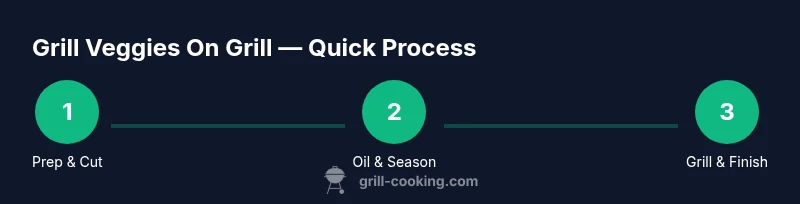
Grilling Vegetables: A Step-by-Step Guide
Learn to grill veggies on a grill with practical prep, oiling, seasoning, heat control, and timing tips—from selection to serving. Includes safety notes and flavor boosters for perfect char and tenderness.


You will learn how to grill veggies on a grill, covering prep, heat control, seasoning, and timing for even char and tender results. You’ll select vegetables, oil properly, and manage direct vs indirect heat with practical steps and real-world examples. This quick guide sets you up to grill vegetables with confidence.
The Foundations for Perfectly Grilled Vegetables
Grilling vegetables successfully starts long before the grate heats up. It requires understanding heat zones, choosing vegetables with compatible textures, and planning a short prep routine that keeps colors bright and flavors vibrant. The goal is to move from raw plant matter to an evenly cooked, lightly charred bite with a crisp outside and a tender interior. Begin by checking your grill temperature, ensuring the grates are clean, and lining up your mis en place: knives, cutting board, oil, salt, pepper, and a brush for oiling. By thinking about heat management and cutting vegetables into uniform shapes, you prevent uneven cooking and burning. The Grill Cooking team finds that preheating to a medium-high heat and letting vegetables sit briefly after cutting yields the best sear when you finally place them on the grill. Remember: overcrowding is the enemy of good grill marks and depth of flavor. A little planning goes a long way toward superb results.
With vegetables ready, start with tougher items first and add delicate items later. Carrots and fennel require longer exposure to heat, while zucchini and bell peppers respond quickly. A light coat of oil helps transfer heat and prevents sticking, and a touch of salt tightens the flavor. Finally, consider finishing with a bright lemon zest or a herb drizzle to boost aroma and balance oils without masking the natural sweetness of charred produce.
Choosing the Right Vegetables
The best vegetables for grilling strike a balance between sturdy texture and quick-cooking versatility. Root vegetables like carrots, parsnips, and fennel benefit from a thinner, uniform slice or a quick par-cook to ensure tenderness without drying out. Summer staples—zucchini, bell peppers, asparagus, and corn on the cob—grill rapidly and offer excellent char color, sweetness, and texture. Hearty items like broccoli florets or cauliflower steaks can stand up to direct heat, while mushrooms provide a meaty bite when given ample surface contact. For best results, choose vegetables with similar thicknesses so they finish together. If you’re grilling for a crowd, mix a few quick-cooking items (peppers, onions) with one or two longer-cooking vegetables to create a dynamic plate. Fresh herbs, garlic, and citrus zest brighten the mix without overpowering the vegetables’ natural flavors. When in doubt, pick a rainbow of colors to maximize flavor and presentation, and remember that seasonal produce often tastes best and cooks more evenly. The aim is consistent sizing and vibrant color that holds up under heat.
Prep and Marinade Tricks
Prep work matters just as much as heat. Wash vegetables thoroughly and pat dry to ensure oil adheres well. Slice with intention: uniform thickness is key for even cooking, and consider alternative cuts like diagonals for more surface area and faster sears. Toss vegetables with a light coating of high-smoke-point oil (such as grapeseed or avocado oil) and a pinch of salt. If you enjoy marinades, use a quick acid-based mix (lemon juice, a splash of vinegar) and olive oil to enhance flavor and help caramelization, but avoid heavy marinades that can burn or produce flare-ups. Skewers can help with smaller, slippery items like cherry tomatoes or cubes of halloumi, though water-soaked bamboo skewers are essential to prevent scorching. Always pat items dry before grilling to prevent steaming rather than searing. Pro tip: keep cut edges exposed to heat to maximize Maillard reactions and form appealing grill marks. Bold flavors from chili, smoked paprika, or fresh herbs pair beautifully with vegetables when used sparingly.
If you’re using a marinade, let vegetables sit for 10–20 minutes but avoid over-marination, which can break down delicate textures. Dry herbs cling best to surfaces that have been lightly oiled, so integrate herbs toward the end of cooking to maintain brightness. Finally, lay out vegetables on a tray or rack in a single layer to prevent overcrowding and encourage fast, even cooking.
Heat, Tools, and Setup
A well-prepped grill makes all the difference. Preheat to a steady medium-high heat (about 425–450°F / 220–230°C) so the vegetables char quickly without burning. Clean grates first to minimize sticking and pre-warm your tools: tongs, a silicone brush, and a sturdy spatula will help you manage vegetables with precision. If you’re using a grill grate with an inset grill pan, you can decouple direct contact for thicker vegetables, using the pan as a cook surface while still achieving surface browning. For skewered vegetables, use metal skewers or soak bamboo skewers in water for at least 30 minutes to prevent flare-ups and burning. A light oil application on both the vegetables and the grill grates improves sear and flavor while reducing the risk of sticking. Safety matters: keep a spray bottle handy for flare-ups and never leave a lit grill unattended. Proper setup means arranging vegetables by size and shape, so they hit the grate evenly.
There’s a simple rule of thumb: smaller, thinner pieces go on first or hold under direct heat briefly, while larger or denser items can handle longer contact through indirect heat if needed. If your grill includes temperature zoning, place thicker items closer to the heat source and use cooler zones to finish cooking slowly for tenderness. Always monitor and turn vegetables regularly to ensure an even glaze and to avoid scorching.
Direct vs Indirect Grilling for Vegetables
Direct heat is perfect for chopping vegetables with flat surfaces that can receive immediate browning, as well as for achieving those coveted grill marks. Indirect heat helps when cooking larger, tougher vegetables that require longer exposure to heat without burning. A practical approach is to start with direct heat to blister and char the surface, then move items to indirect heat to finish cooking through. For delicate items like cherry tomatoes or asparagus tips, you may use a two-zone setup from the start: a hot side to sear and a cooler side to finish. A helpful technique is to cut items into uniform pieces and place them on skewers or a grill basket to maximize surface contact and evenness. If you’re working with corn on the cob, you can wrap ears in foil or place them over indirect heat for gentle steaming, then finish with a short direct heat blast to toast the kernels. Remember that oil and seasoning can burn if exposed to high heat for too long; apply oil evenly and avoid salt-heavy marinades that promote scorching. Mastery comes from understanding how each vegetable reacts to heat and adjusting your methods in real time.
For outdoor cooks, the environment influences your plan. Wind can lower surface temperatures and cause flare-ups, so keep a close eye on flames and reposition items as needed. A smart setup uses a mix of direct and indirect heat to achieve both a crisp exterior and a tender interior without drying out the vegetables.
Cooking Times by Veg Type
Vegetable varieties require different cooking windows. Bell peppers, zucchini, and asparagus usually finish in 4–8 minutes on direct heat, turning halfway for even browning. Mushrooms and eggplant slices often need 6–10 minutes, depending on thickness, with a gentle touch to avoid collapsing slices. Corn on the cob can require 10–15 minutes of indirect heat, followed by a brief direct heat finish to deepen caramelization. Root vegetables like carrots or parsnips may need 10–15 minutes on indirect heat after a quick sear to soften the interior. If you’re using a grill pan, your times may shift slightly due to pan contact and moisture retention. The best test is to pierce with a fork: tender with a bit of resistance means ready, while posters with complete softness may be overdone. Always remove vegetables when they’re just shy of desired tenderness and allow them to rest for a few minutes to reabsorb juices and settle flavors. Fresh herbs or a squeeze of citrus brighten the plate and help balance the smoky taste.
A practical approach is to group vegetables by similar cooking times on the grill, ensuring that each group finishes together for easy serving. This reduces waiting time and prevents individual pieces from overcooking while others finish. The result should be a rainbow of color and a chorus of textures on the plate.
Flavor Boosters: Seasoning, Oil, and Char
The right flavor boosters can elevate grilled vegetables from good to memorable. Start with a high-smoke-point oil, such as grapeseed or avocado, which resists burning at higher temperatures and helps achieve even browning. Salt in the early stages enhances flavor by drawing out natural juices, while finishing with a light sprinkle of flaky salt adds a crisp, bright finish. For aroma, consider a whisper of garlic powder, smoked paprika, ground coriander, or a drop of lemon juice toward the end of cooking. Fresh herbs like parsley, cilantro, or basil add vibrant notes that contrast beautifully with char. For those who enjoy heat, a light dusting of crushed red pepper or chili flakes can wake up the palate without overpowering the vegetables’ natural sweetness.
To intensify color and flavor, consider finishing with a drizzle of olive oil and a final squeeze of citrus just before serving. A touch of sweetness, such as a tiny drizzle of balsamic reduction or a spoon of honey for sweeter vegetables, can balance acidity. If you’re grilling for a crowd, set up small condiment stations with lemon wedges, fresh herbs, and optional sauces to customize each plate. Remember: the goal is to highlight the vegetables’ natural flavors while adding a layer of aroma and texture that makes the dish irresistible.
Beyond taste, you can also think about texture contrasts. Pair crisp charred edges with a tender, almost creamy interior for a satisfying bite. Try mixing slices of carrot with bell pepper, asparagus with onion segments, and mushroom caps for a balanced bite across colors and textures. The right seasoning and a careful finish will leave your guests impressed and coming back for seconds.
Presentation and Serving Ideas
Presentation matters as much as taste when you grill vegetables. Plate the vegetables in a way that highlights color variety—bright reds, yellows, greens, and purples create an appealing pattern. A light scatter of chopped herbs and a few citrus zest shavings add brightness and aroma. Consider serving grilled vegetables over warm quinoa, couscous, or a bed of greens to provide a complete meal. For a vegetarian option, pair with a tangy yogurt sauce or a smoky chimichurri to enhance the contrast between the char and the fresh produce. If you’re carving vegetables into longer strips, place them in a fan shape or weave a few pieces together for an elegant presentation.
When entertaining, offer both a direct flame finish for bold char and a gentle finish using indirect heat for tenderness. For practical setups, offer a dipping sauce or olive oil-based drizzle, and keep extra lemon wedges on the side for personal balance. The resulting plate should be vibrant, balanced, and easy to eat with a fork or small tongs. A well-plated platter invites people to taste, share, and talk about the cooking process, making grilled vegetables a centerpiece or a delightful side dish in any meal.
Troubleshooting Common Issues
Even experienced grillers encounter a few snags. If vegetables are sticking, ensure grates are clean and oiled lightly; sometimes the problem is oil distribution rather than the surface itself. If you notice uneven cooking, cut vegetables to uniform thickness and use a two-zone heat setup to finish thicker pieces away from direct flames. Soggy or steamed vegetables indicate crowding or insufficient heat; cook in smaller batches with space between items for air circulation. Char that is too intense may mean the heat is too high or you’ve left items on too long; move pieces to indirect heat briefly or lower the flame to reduce scorching. For vegetables that dry out quickly, consider brushing on extra oil before flipping and during cooking, or wrap tougher veggies in foil to trap moisture. If using marinades, avoid long soaking times as sugars burn easily and produce bitter flavors. Finally, be mindful that different vegetables vary in cooking times; plan ahead and stagger additions to the grill if needed so nothing dries out or overcooks.
How to Finish and Serve
When the vegetables reach the desired tenderness and sear, remove them promptly and place on a warm platter. A few minutes of rest helps the juices redistribute, leading to tastier bites. If you’re serving multiple vegetable types, arrange them by color and texture for a visually appealing plate. A light drizzle of extra-virgin olive oil and a squeeze of lemon can brighten the overall flavor. Pair grilled vegetables with a protein option or as a hearty vegetarian main enhanced by grains or legumes. Leftovers are perfect for adding to salads, pasta, or grain bowls, making your grill an efficient tool for weeknight meals as well as weekend gatherings. By adopting a systematic approach to prep, heat management, and seasoning, you’ll master the art of grilling vegetables and crafting dishes that showcase the natural sweetness and smokiness that only a grill can provide.
Tools & Materials
- Gas or charcoal grill(Ensure grill is clean and preheated to target heat level)
- Grill tongs(Long-handled, sturdy; for turning and moving veggies)
- Grill brush(Clean grates before cooking)
- Silicone basting brush(Apply oil or marinade evenly)
- Chef's knife(Sharp, 8-10 inch blade for clean cuts)
- Cutting board(Stable surface; avoid cross-contamination)
- Skewers (optional)(Metal or bamboo; soak bamboo if used)
- High smoke-point oil(Grapeseed, avocado, or canola oil)
- Salt and pepper(To taste)
- Grill basket or foil (optional)(For delicate veggies)
Steps
Estimated time: 25-40 minutes
- 1
Preheat and prep
Preheat to a steady medium-high heat and prepare all vegetables with uniform cuts. This ensures even cooking and proper browning. Gather tools and oils so you’re not scrambling mid-cook.
Tip: Preheat grill 10-15 minutes before cooking to establish consistent heat. - 2
Wash, cut, and dry
Wash vegetables and pat dry thoroughly. Uniform thickness helps with even cooking and prevents steaming. Dry surfaces promote better searing.
Tip: Pat wet surfaces dry to avoid steaming during sear. - 3
Oil and season
Toss with a light coat of oil and a pinch of salt. For marinades, keep them light and quick to avoid burning sugars. Salt early enhances flavor, then finish with seasoning near the end for brightness.
Tip: Use high smoke-point oil to prevent flare-ups. - 4
Set up heat zones
Create direct and indirect heat zones if possible. Start with direct heat to char edges, then move to indirect heat to finish cooking through.
Tip: Two-zone setup prevents burning while finishing thicker vegetables. - 5
Grill and turn
Place vegetables on the hot zone and turn every 2-3 minutes for even browning. Adjust spacing to maintain air flow and avoid crowding.
Tip: Avoid over-flipping; let crust form before turning. - 6
Check tenderness
Test with a fork or skewer; aim for crisp-tender texture. Remove pieces just before they’re fully soft to keep some bite.
Tip: Different veggies finish at different times—group by cook time. - 7
Rest and finish
Let grilled vegetables rest briefly off the heat to reabsorb juices. A finishing drizzle adds aroma without masking flavor.
Tip: Rest 2-5 minutes to preserve moisture. - 8
Serve with boosters
Offer finishing salt, lemon wedges, or a light sauce so guests can customize. Present in a colorful platter for visual appeal.
Tip: Keep extra lemon and herbs handy for quick brightening.
FAQ
What temperature is best for grilling vegetables?
Aim for a medium-high heat (about 425–450°F / 220–230°C) to develop good browning without burning. If you have a two-zone setup, use direct heat to sear and indirect heat to finish.
Grill vegetables at medium-high heat, roughly 425 to 450 degrees, and use direct heat to sear before finishing with indirect heat if needed.
Should I blanch or par-cook root vegetables before grilling?
Par-cooking root vegetables like carrots or parsnips helps achieve tenderness without overexposure to high heat. A quick boil or microwave 2–4 minutes before finishing on the grill can work well.
Par-cook root vegetables briefly to soften them before grilling if you want even tenderness.
Do I need to soak bamboo skewers?
Yes, soak bamboo skewers for at least 30 minutes to prevent burning. Metal skewers are a solid alternative and require no soaking.
Soak bamboo skewers to stop them from burning; metal skewers are a good alternative.
How can I prevent vegetables from sticking to the grate?
Oil the vegetables lightly and brush the grill grates with oil before cooking. Ensure grates are clean and hot before lay-down for better release.
Keep the grill grates clean and lightly oiled to prevent sticking.
Can I grill vegetables with cheese or dairy?
Yes, but dairy requires careful timing to avoid burning. Add cheeses or dairy-based toppings toward the end of cooking or after removing from heat.
You can add cheese near the end, after removing from direct heat.
What’s a simple finish that enhances flavor?
Finish with a drizzle of high-quality olive oil, fresh lemon juice, and chopped herbs. A pinch of flaky sea salt right before serving heightens aroma and flavor.
Finish with olive oil, lemon, and herbs for a bright boost.
Watch Video
Quick Summary
- Preheat the grill and cut veggies evenly.
- Use direct heat for searing and indirect heat to finish.
- Oil and light marinades prevent sticking and promote caramelization.
- Cook times vary; group vegetables by similar timing.
- Rest briefly and finish with bright flavor boosters.