The Veggie Grill Guide: Master Vegetable Grilling
Learn to grill vegetables with confidence using two-zone heat, marinades, and timing. This guide helps home cooks achieve crisp edges and tender centers for a vibrant veggie grill every time.


Master the veggie grill by selecting the right vegetables, prepping for even cooking, and using direct and indirect heat to develop char without sogginess. This guide covers marinades, seasoning, timing, and grill setup, so home cooks can produce vibrant, flavorful vegetables every time. You’ll finish with crisp edges and tender centers.
Why veggie grilling matters
Grilling vegetables unlocks a depth of flavor that other cooking methods rarely achieve. The quick blast of high heat caramelizes natural sugars, creating a smoky sweetness and a satisfying contrast between charred edges and tender interiors. This technique preserves vibrant color and texture while keeping nutrients more intact than long-simmered methods. A well-executed veggie grill also brings your menu to life: it’s visually appealing, fast, and adaptable for weeknight dinners or weekend barbecues. According to Grill Cooking, mastering two-zone grilling gives you both a direct sear for browning and an indirect finish to prevent burning while you finish cooking thicker pieces. With a simple plan, you can turn a plate of vegetables into the centerpiece of your meal.
Choosing vegetables for the grill
Not all vegetables grill the same way. Dense, high-moisture items like bell peppers, zucchini, and eggplant benefit from slicing into uniform pieces, while mushrooms, corn, and onions can tolerate slightly larger chunks. Choose vegetables that hold their shape and resist falling through grates. Look for items with balanced moisture—too wet, and they steam instead of sear; too dry, and they may burn quickly. Aim for a variety that includes quick-cooking items (asparagus and cherry tomatoes) and longer-cooking ones (eggplant, corn). When in doubt, select produce that is firm, fresh, and free of blemishes for the best texture and flavor when grilled.
Preparing vegetables for even cooking
Uniform sizes ensure even browning and predictable cook times. Trim stems, remove cores, and slice crosswise into pieces that are roughly the same thickness. Lightly pat dry to remove surface moisture, then toss with a small amount of oil to promote browning without dripping into the fire. Season simply at first—salt, a touch of pepper, and a citrusy finish later can elevate flavor without masking the vegetable’s natural sweetness. If using delicate items like mushrooms, consider a quick marinate (15–30 minutes) to infuse flavor without waterlogging the flesh.
Direct heat vs indirect heat and grill setup
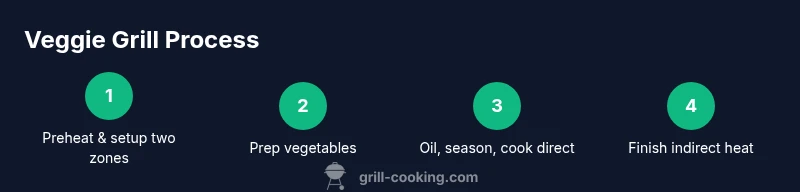
A two-zone setup gives you the flexibility to rapidly brown vegetables on direct heat and finish cooking with indirect heat so you don’t burn the outside while the inside remains undercooked. Preheat your grill and establish a hot zone (direct heat) and a cooler zone (indirect heat). For gas grills, turn burners on one side; for charcoal, bank coals to create a hot and a cooler area. This configuration is especially helpful for thicker slices and denser vegetables like eggplant and peppers. Keep the lid closed when using indirect heat to maintain a steady temperature and prevent flare-ups that can char vegetables unevenly.
Flavor ideas: marinades, rubs, and smoke
Even a light coating of oil with salt and pepper goes a long way on the grill. For bolder flavor, use marinades based on citrus, herbs, garlic, and olive oil—let vegetables marinate briefly to absorb aroma without becoming soggy. Dry rubs with paprika, cumin, or chili powder can add warmth and depth. If you have access to a smoker attachment or a chimney starter, a touch of smoke can elevate sweetness in peppers, corn, and onions. Remember, high-sugar marinades burn quickly, so apply them toward the end of cooking and keep a close eye on the grill.
Grilling by vegetable type: zucchini, peppers, mushrooms, corn, asparagus, eggplant
Zucchini and yellow squash: slice lengthwise or into rounds about 1/4–1/2 inch thick; grill 2–3 minutes per side. Peppers: cut into thick strips or halves; grill 6–8 minutes per side until blistered. Mushrooms: use whole small creminis or large caps, grill 4–6 minutes per side. Corn on the cob: grill with husks off or back on with husks for moisture; rotate for even charring, about 10–12 minutes. Asparagus: trim woody ends; grill 3–4 minutes, turning for even color. Eggplant: slice 1/2 inch thick, salt lightly to draw moisture, grill 4–5 minutes per side. Monitor for tenderness and color; aim for a lightly charred exterior and a soft, creamy interior where appropriate.
Common mistakes and troubleshooting
Watch for uneven cuts that cook at different rates; always aim for consistent thickness. Overcrowding the grill slows cooking and causes steaming rather than browning, so work in batches if needed. If vegetables browning too fast on the outside but remaining firm inside, move them to indirect heat and cover the grill to finish. Always oil vegetables lightly to prevent sticking, but avoid heavy marinades that can cause flare-ups. Clean grates before cooking to minimize residue that can trap moisture and ruin grill marks.
Tools & Materials
- Grill (gas or charcoal)(Preheat to 425–450°F (220–232°C) for even searing; set up two zones if possible.)
- Long-handled tongs(12–16 inches recommended for safe flipping and turning.)
- Silicone basting brush(For applying oil and marinades without dripping into flames.)
- Chef’s knife(Sharp blade for clean, even cuts.)
- Cutting board(Stable surface with a groove for juices; helps prevent cross-contamination.)
- High-heat cooking oil(Avocado, peanut, or refined olive oil in small amounts.)
- Baking sheet or grill-safe tray(For staging cooked vegetables and easy transfer to plates.)
- Skewers (optional)(Metal skewers work best for corn or small mushrooms; wooden skewers require soaking.)
Steps
Estimated time: 25-40 minutes
- 1
Preheat the grill
Begin by preheating the grill to 425–450°F (220–232°C). If you have a two-zone setup, light one side fully and leave the other cooler. This ensures a quick sear on direct heat and a controlled finish on indirect heat. Keep the lid closed during preheating to reach temperature evenly.
Tip: Close the lid to reach a stable temperature quickly and reduce flare-ups. - 2
Prepare vegetables
Wash, trim, and cut vegetables into uniform pieces. Consistency in size ensures even cooking across all items. Pat dry before oiling to maximize browning rather than steaming. Group pieces by similar thickness to simplify timing.
Tip: Uniform pieces cook evenly; mix thicker with thinner slices only if you adjust the total time. - 3
Oil and season
Toss vegetables with a light coating of oil and a pinch of salt. Oil promotes browning while salt enhances flavor. For longer storage or marination, keep portions small to maintain texture. Avoid heavy sugary marinades that burn quickly on the grill.
Tip: Oil helps prevent sticking; use just enough to lightly coat the surface. - 4
Grill method selection
For delicate items, place directly over indirect heat first to develop color, then move to direct heat for a quick finish. Heavier vegetables like eggplant can benefit from an initial direct hit followed by indirect heat. Use skewers for small chunks to reduce loss through grates.
Tip: If you hear aggressive sizzling, reduce the flame or move to indirect heat to avoid burning. - 5
Turn and monitor
Flip vegetables once using tongs, rotating to ensure even browning on all sides. Most vegetables take 2–6 minutes per side depending on thickness. Watch for blistering and color change; aim for a lightly charred exterior with a tender interior.
Tip: Avoid over-flipping; let a side form color before turning. - 6
Finish on indirect heat
Move thicker pieces to indirect heat to finish cooking through without scorching. Cover the grill for 2–6 minutes as needed. Check for tenderness with a fork; remove once just tender. This step helps preserve texture and juiciness.
Tip: Lid-down cooking traps heat and promotes even doneness. - 7
Rest and serve
Let vegetables rest for a few minutes after removing from the grill. Resting allows juices to redistribute and flavors to settle. Serve with a final drizzle of lemon juice or fresh herbs for brightness. Pair with grains, proteins, or a fresh salad for a balanced plate.
Tip: Season lightly after resting to finish flavor without over-salting.
FAQ
What vegetables grill best on a veggie grill?
Peppers, zucchini, mushrooms, asparagus, corn, and onions perform very well on the grill. They hold shape, brown evenly, and offer a range of textures. For variety, mix quick-cooking items with heartier pieces so you have a mix of crunchy and creamy textures.
Good choices include peppers, zucchini, mushrooms, asparagus, corn, and onions. They brown nicely and hold shape, giving you a range of textures.
Should I soak corn or mushrooms before grilling?
Soaking is usually unnecessary for corn and mushrooms. Corn can benefit from a quick husk-on approach to retain moisture, but remove husks if you want extra char. Mushrooms can be grilled directly after a light wipe or quick rinse, then dried thoroughly.
Most vegetables don’t need soaking. For corn, you can leave the husk or husk and grill for extra moisture; mushrooms cook well after a quick clean.
How do I prevent sticking on the grill?
Ensure grates are clean and well-oiled, and pat vegetables dry before oiling. Use a light coating of high-heat oil and place vegetables on the grill when the surface is hot to form a quick sear and release.
Keep the grates clean, oil the veggies lightly, and grill when hot to prevent sticking.
Can I grill frozen vegetables?
Grilling frozen vegetables is possible but not ideal. Thaw and pat dry first to remove excess moisture; cook in a slightly longer time with careful heat management to avoid sogginess.
You can grill frozen vegetables, but thaw them first and pat dry to prevent sogginess and uneven cooking.
What heat level is ideal for vegetables?
Aim for a high-to-hot setting around 425–450°F (220–232°C) for searing, followed by indirect heat for finishing thicker pieces. This balance creates browning without burning.
Use high heat for searing, then indirect heat to finish thicker pieces for even doneness.
How long do peppers take to grill?
Grilled peppers typically take about 6–8 minutes per side, depending on thickness and heat. Turn occasionally until the skin is blistered and the flesh is tender.
Most peppers need about 6 to 8 minutes per side; check for blistered skin and tender flesh.
Watch Video
Quick Summary
- Plan a two-zone grill for even cooking.
- Cut vegetables into uniform sizes for consistent browning.
- Oil lightly and season well to enhance flavor.
- Use direct heat for char and indirect heat to finish.
- Let grilled vegetables rest briefly before serving.